

New York has always been known as a global center for art, fashion and innovation. Its streets are dotted with tall skyscrapers, brightly colored storefronts and a variety of shops that have long hidden one trend that threatened to undermine the city’s reputation: an insidious culture of counterfeiting. Read more on newyork1.one.
Historical roots of the culture of counterfeiting
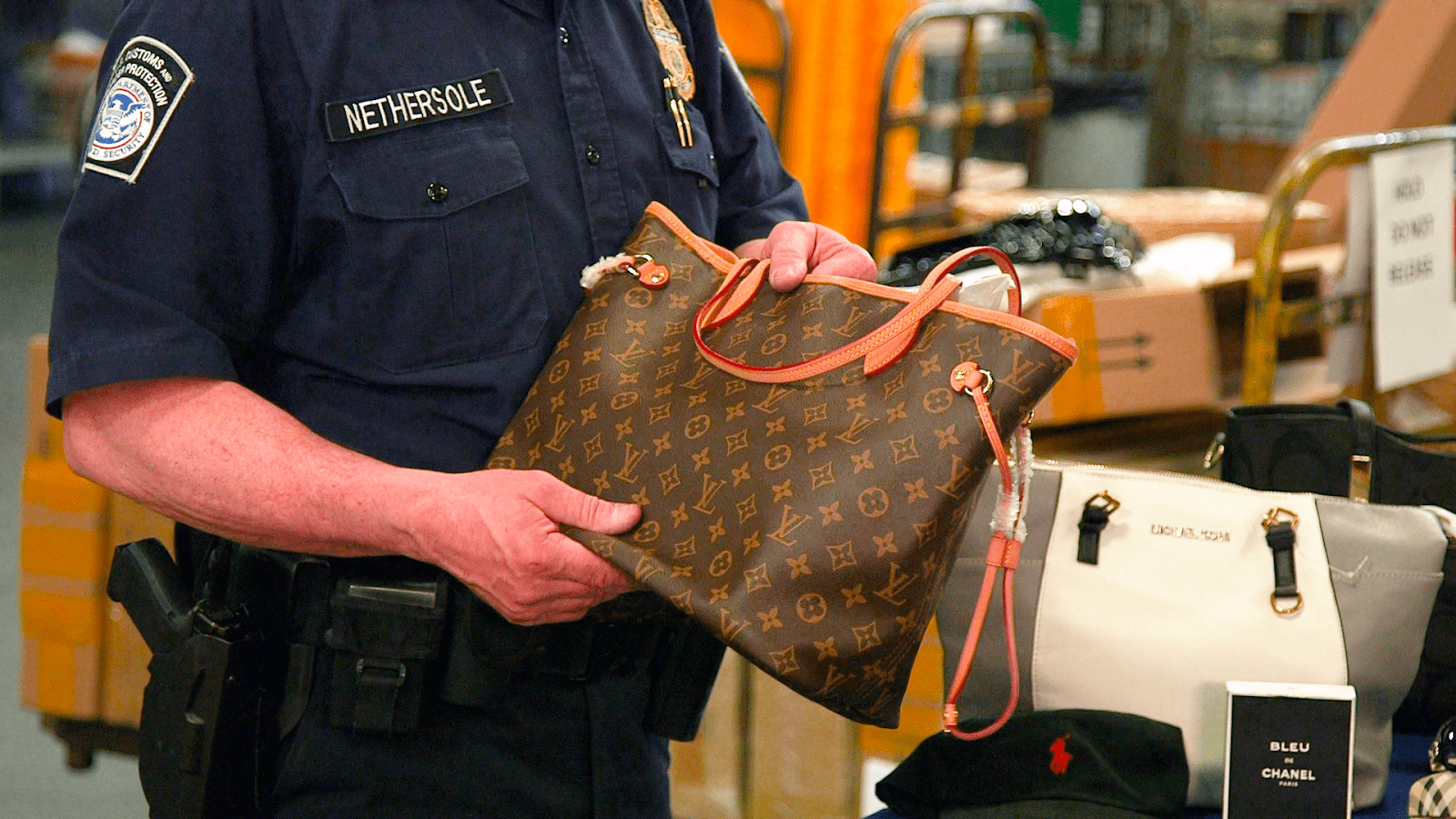
The historical roots of the counterfeiting trade in New York City (NYC) date back to the city’s history as a major port and gateway to international trade. As immigrants arrived in New York, bringing with them their rich traditions and crafts, the city quickly became a bustling marketplace for a variety of goods. However, along with legitimate trade, counterfeiting also emerged.
Counterfeiting in New York in the early 20th century and during Prohibition
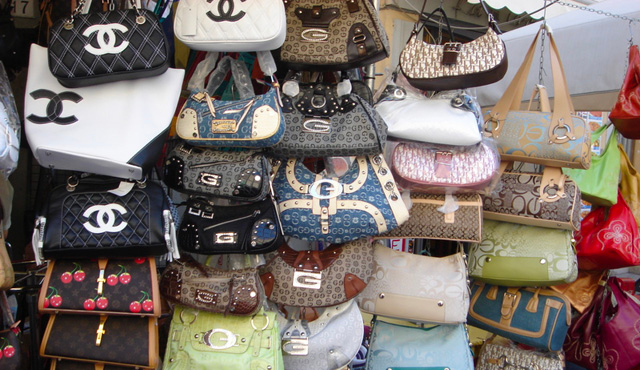
The early 20th century marked a turning point for the culture of counterfeiting in New York. As luxury brands gained popularity and their exceptional appeal and luxury fueled New Yorkers’ desire to match their prestigious status, the first counterfeit shops began to appear in the city.
In the 1920s and 1930s, during the Prohibition era, there was a huge increase in the underground economy and illegal activities in NYC. This also included the production and sale of counterfeit goods. Quick and easy profits encouraged entrepreneurs to produce smuggled alcohol, fake designer clothes and accessories.
Chinatown is the center of counterfeit goods in the middle of the 20th century
Over time, the culture of counterfeiting developed to an unprecedented scale. It was simply impossible to stop. Many people preferred to buy counterfeits at a cheaper price than expensive original products. That’s why the counterfeiting business in New York developed and flourished so quickly.
In the post-World War II period, NYC’s Chinatown emerged as a center of counterfeit trade. Chinese immigrants, mostly from the Guangdong and Fujian provinces, established thriving networks for the production and sale of counterfeit goods on the busy streets of Chinatown.
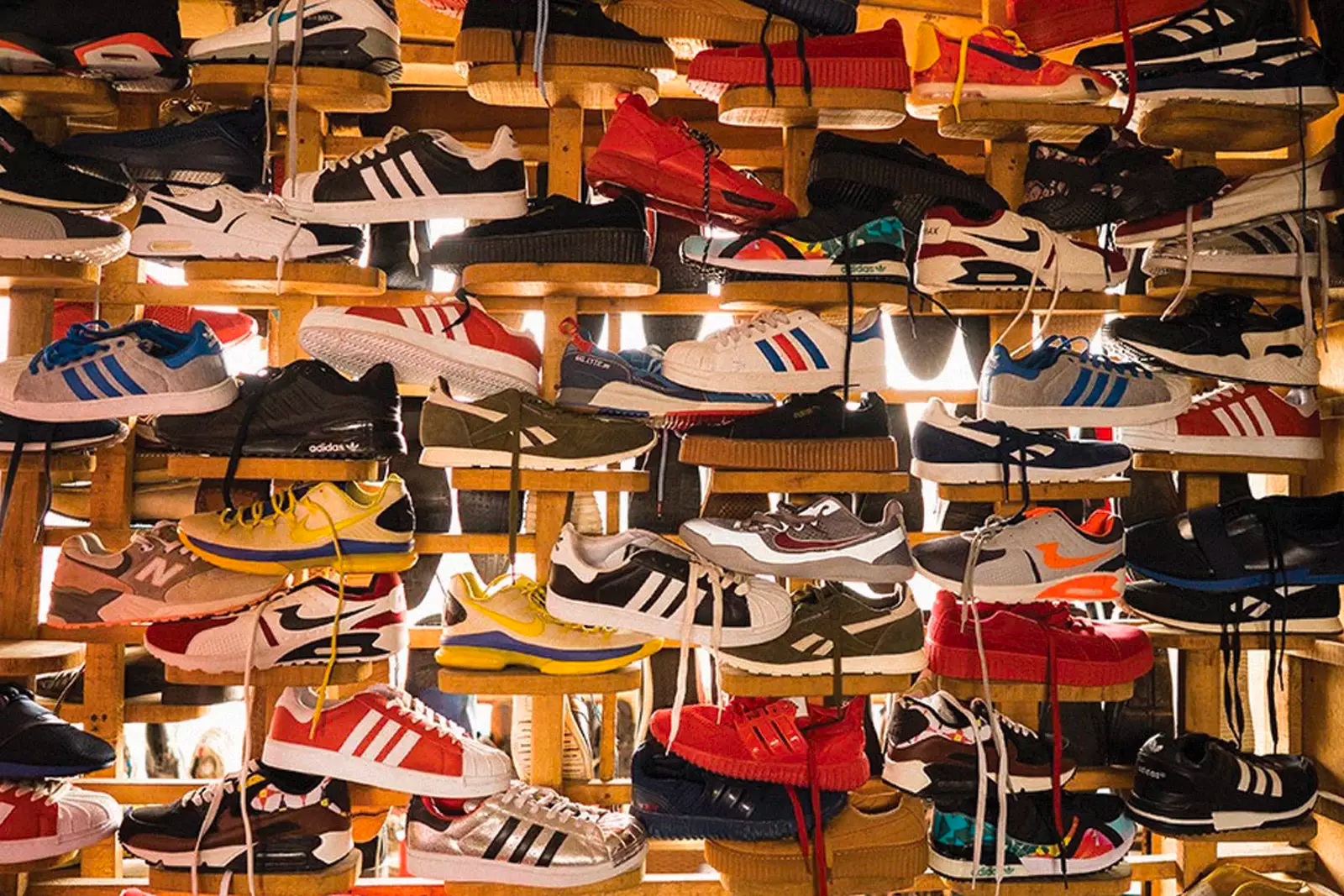
The end of the 20th century was characterized by rapid trade globalization and the emergence of mass production technologies. This further contributed to the counterfeiting industry’s growth. Counterfeit goods flooded into New York from countries such as China, Thailand and South Korea. They exploited New York’s status as a fashion capital and its huge consumer market.
In New York, you could buy such fakes as:
- Sneakers of the most popular brands
- Clothes of famous designers
- Accessories (glasses, jewelry, etc.)
- Perfumes
- Drinks
- Bags
- Pirated DVDs
- Medicines
- And much more.
Counterfeiting in New York in the 21st century
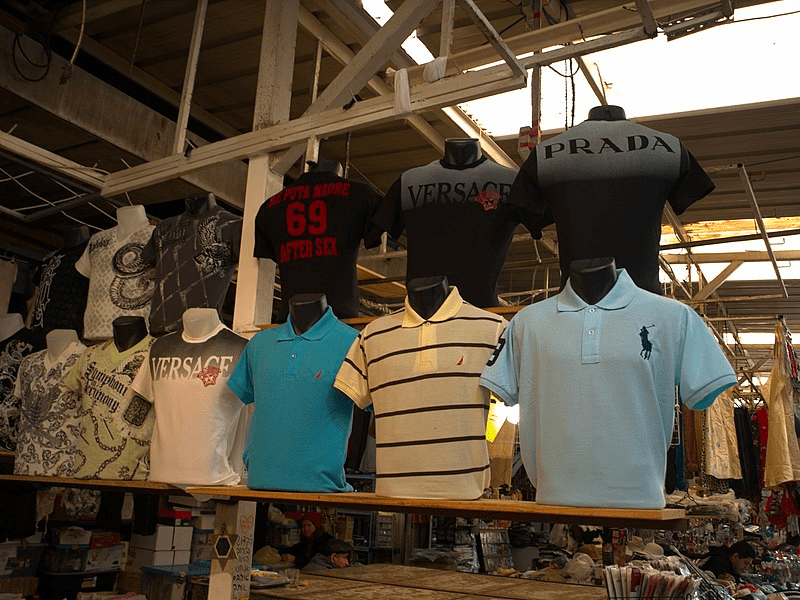
The digital age has created new opportunities for counterfeiters in New York. The rise of e-commerce and online shopping has provided counterfeiters with a convenient platform to reach a global audience while remaining relatively anonymous. In the 21st century, the internet has become the primary platform for the sale and distribution of counterfeit goods, expanding the reach and impact of New York’s illicit trade.
Over the years, law enforcement agencies in New York have repeatedly taken steps to combat the culture of counterfeiting. But this has not been successful. The ever-evolving methods of manufacturing and distributing counterfeits, as well as the global reach of New York’s illicit trade, have created serious challenges in the 21st century that law enforcement is unable to overcome.
As NYC continues to develop as a global center of commerce and culture in the 21st century, the fight against counterfeit goods remains a constant challenge. Besides, more and more people prefer to buy counterfeits at a cheap price rather than wear original, expensive and high-quality items.