

New York City in the 21st century is a bustling metropolis known for its tall skyscrapers and various architectural wonders. This architectural landscape of the city would not have been possible without brilliant minds and legendary architects. Among such respected New York architects who have left an indelible mark on the city’s architectural history was Daniel Burnham. His innovative projects and principles of urban planning were implemented during the 19th and 20th centuries not only in New York but also in other US cities. Read more on newyork1.one.
The way to architecture
The legendary architect Burnham was born in New York in 1846. He showed a passion for architecture from an early age. He had a great love of drawing. His attention to detail and relentless pursuit of perfection set him apart from his peers.
When Burnham turned 18, he decided to connect his life with art and moved to the eastern part of the United States to study drawing with private tutors. This way he wanted to pass the entrance exams to the most prestigious universities: Harvard and Yale. Despite his efforts and diligent preparation, Burnham failed all of his exams. Most likely, this failure was caused by severe stress and fear of the test.
When Burnham was 21 years old, he was trained as a draftsman by William Jenney, who worked for an architectural firm called Loring & Jenney. That’s when he realized that architecture was his vocation and what he had been looking for all his life. He even told his parents that he wanted to become “the greatest architect in the city or country.” Actually, that’s exactly what happened.
A new era of Burnham architecture
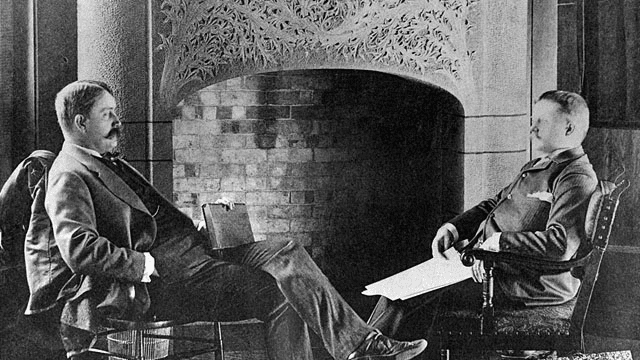
Burnham’s rise to fame began in Chicago. There, in the 1870s, he started collaborating with John Root to found one of the most influential architectural firms of the time, Burnham and Root. Together, they lobbied for the Chicago School of Architecture, which emphasized the use of steel-frame structures and large windows to create open and light-filled spaces. Their projects were a kind of departure from the heavy stone masonry used in the past. They ushered in a new era of modern architecture.
Burnham’s achievements
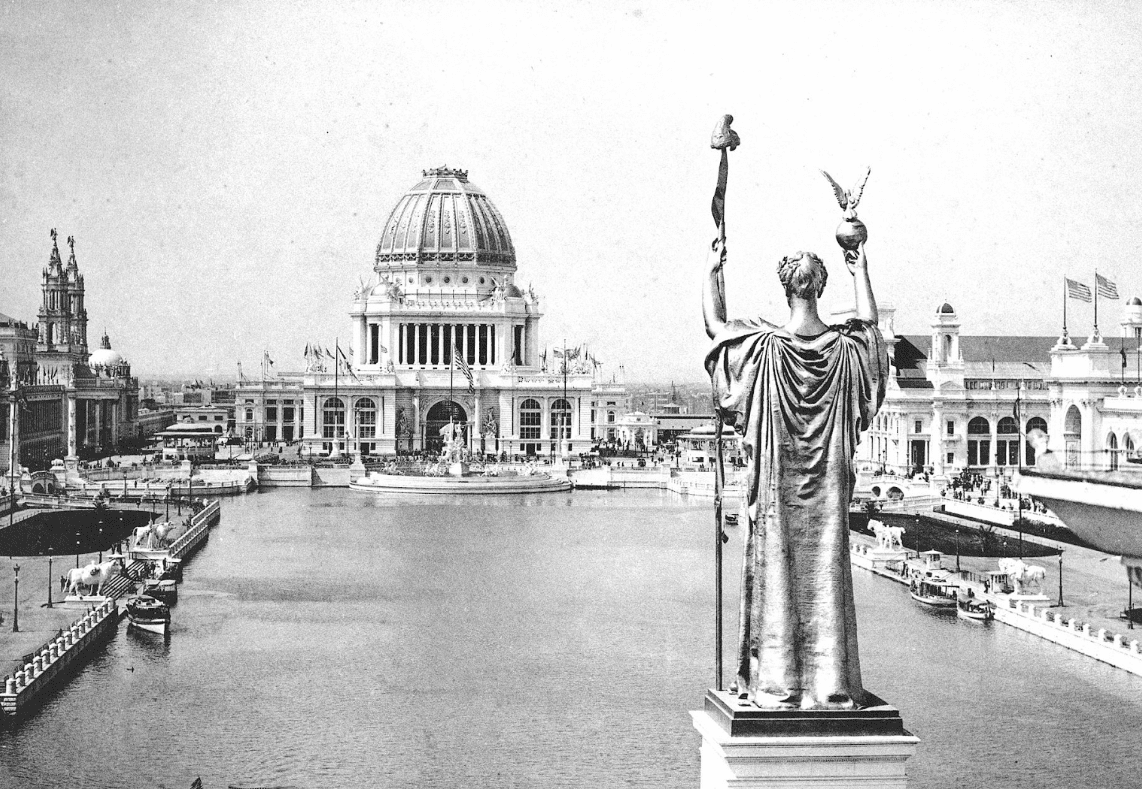
One of Burnham’s most famous accomplishments was his key role in the design and construction of the World’s Columbian Exposition, also known as the Chicago World’s Fair, which took place in 1893. Burnham was appointed chief architect and general planner of the fair. The purpose of this fair was to showcase the cultural and technological achievements of the time. His vision and careful planning transformed an empty and unremarkable plot of land into the magnificent “White City”. This architectural work was breathtaking, with majestic neoclassical buildings and large swimming pools that captured the hearts of millions of visitors.
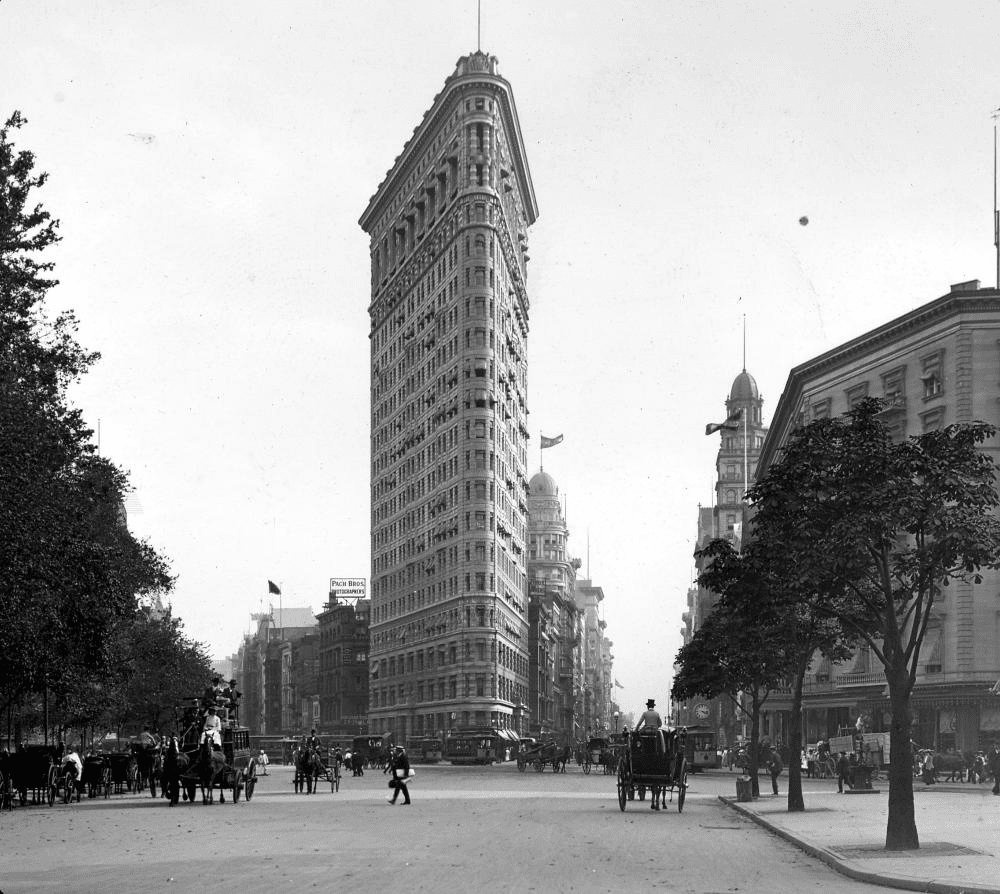
The success of the World’s Columbian Exposition made Burnham renowned. His project attracted the attention of famous figures, including the powerful elite of New York. After that, Burnham was commissioned to design several iconic buildings for the city, which adorn Manhattan in the 21st century. One of his most popular creations is the Flatiron Building, which was built in the Beaux Arts style. This building is the epitome of his innovative spirit and technical skill. The Burnham skyscraper, built in 1902, had a triangular shape. His creation challenged the architectural norms of the time. Even in the 21st century, the building fascinates passers-by with its sophisticated design and grandeur.
Burnham’s influence on New York was not limited to individual buildings. His urban planning vision shaped the future development of the city as he advocated for the creation of large boulevards and public spaces to improve the quality of life for residents. His influential plan, known as the City Beautiful, was aimed at transforming New York into more harmonious and livable cities. Although many of his proposals were never fully implemented, his ideas laid the groundwork for future urban planning efforts.
The life of the legendary architect Burnham ended in 1912, at the age of 65. In the 21st century, walking through the streets of New York, it is impossible not to notice the architectural wonders that Burnham created. He was indeed a natural and one of the most prominent architects of his time, both in New York and in the United States, just as he once wanted.