

The emergence of the vodka business in New York City (NYC) dates to the early 20th century. During this period, the city experienced a wave of immigration. A large number of migrants from Eastern Europe, especially from Russia, Poland, and Ukraine, settled in NYC. These immigrants brought with them the rich traditions of their homeland, including the art of vodka making. That is how the first small distilleries appeared in immigrant communities in NYC. They primarily focused on the taste preferences of their compatriots. Over the years, the vodka business in NYC has undergone many changes. In the 21st century, vodka is an indispensable ingredient in almost all cocktails made in NYC bars. Read more on newyork1.one.
The emergence of vodka in NYC
The emergence of vodka and the vodka business in NYC is directly related to the immigrants from Eastern Europe who came to the city in the late 19th century and early 20th century. These immigrants brought with them to the new land the traditions and customs of their people, including the production of vodka. Therefore, from the beginning of the 20th century, distilleries began to open en masse in NYC and throughout the United States.
Vodka quickly became popular in NYC not only among immigrants but also among locals. As soon as the drink gained popularity in the U.S. in the early 20th century, it lost its exclusivity in countries such as Russia and Poland. Since then, most of the world’s vodka production has been based in the U.S. NYC distilleries at that time contributed to the production by creating a unique method. They were the first to use other substances for fermentation, such as corn and potatoes.
How did Prohibition affect the vodka business in NYC?
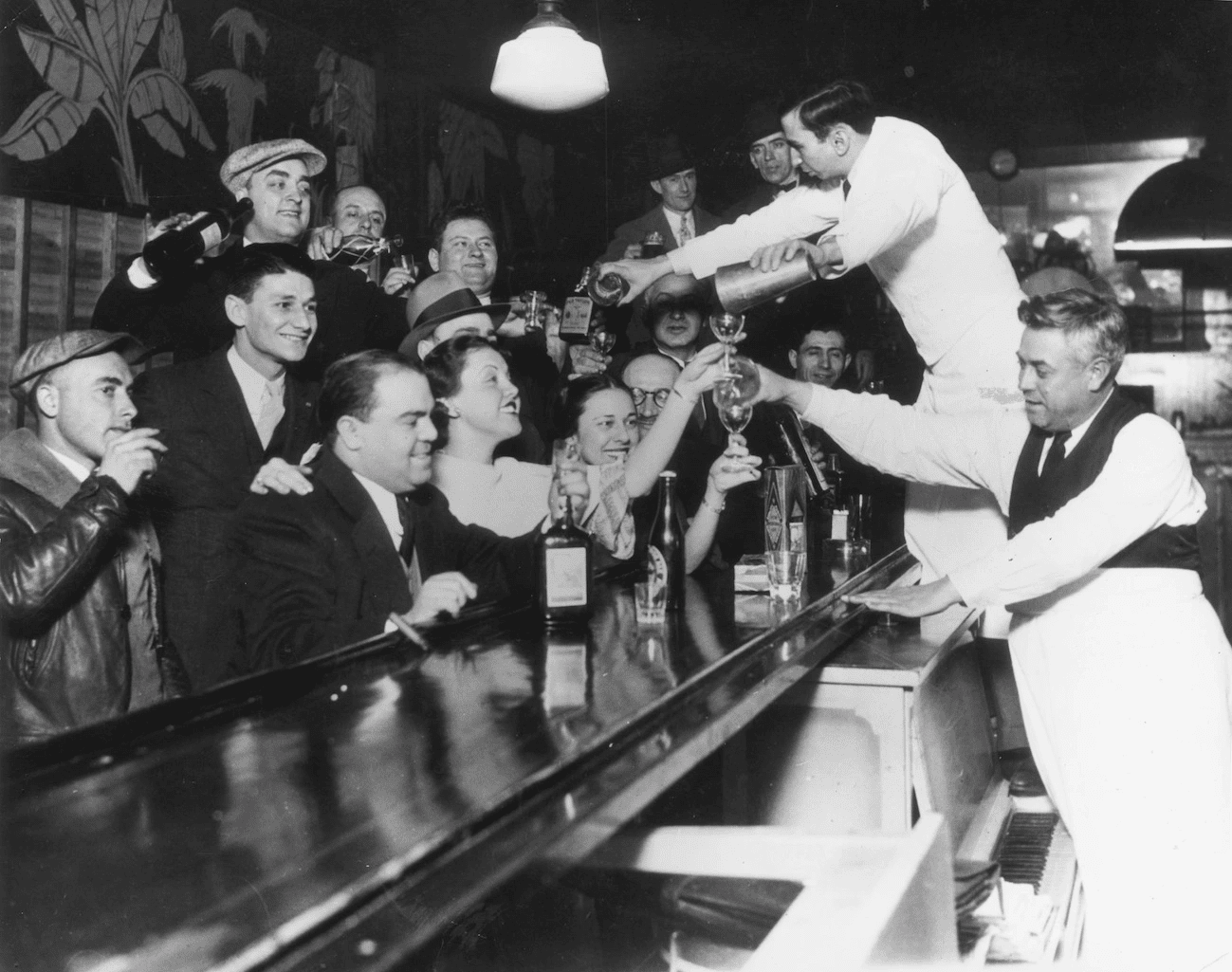
Prohibition in 1920 was a real test for the NYC vodka industry. The ban on the production and distribution of alcohol drove many distilleries underground. To keep the business afloat, most distilleries had to operate in the shadows, in underground establishments and conduct illegal operations. While the production of other alcoholic beverages faced similar problems, vodka had a unique advantage. It had a transparent consistency and no particular odor. This made it much easier for businesses to transport and conceal.
During this period, the popularity of vodka-based cocktails in NYC increased many times over. This ensured that alcohol would remain in demand even in such turbulent times.
Revival of NYC vodka business after Prohibition
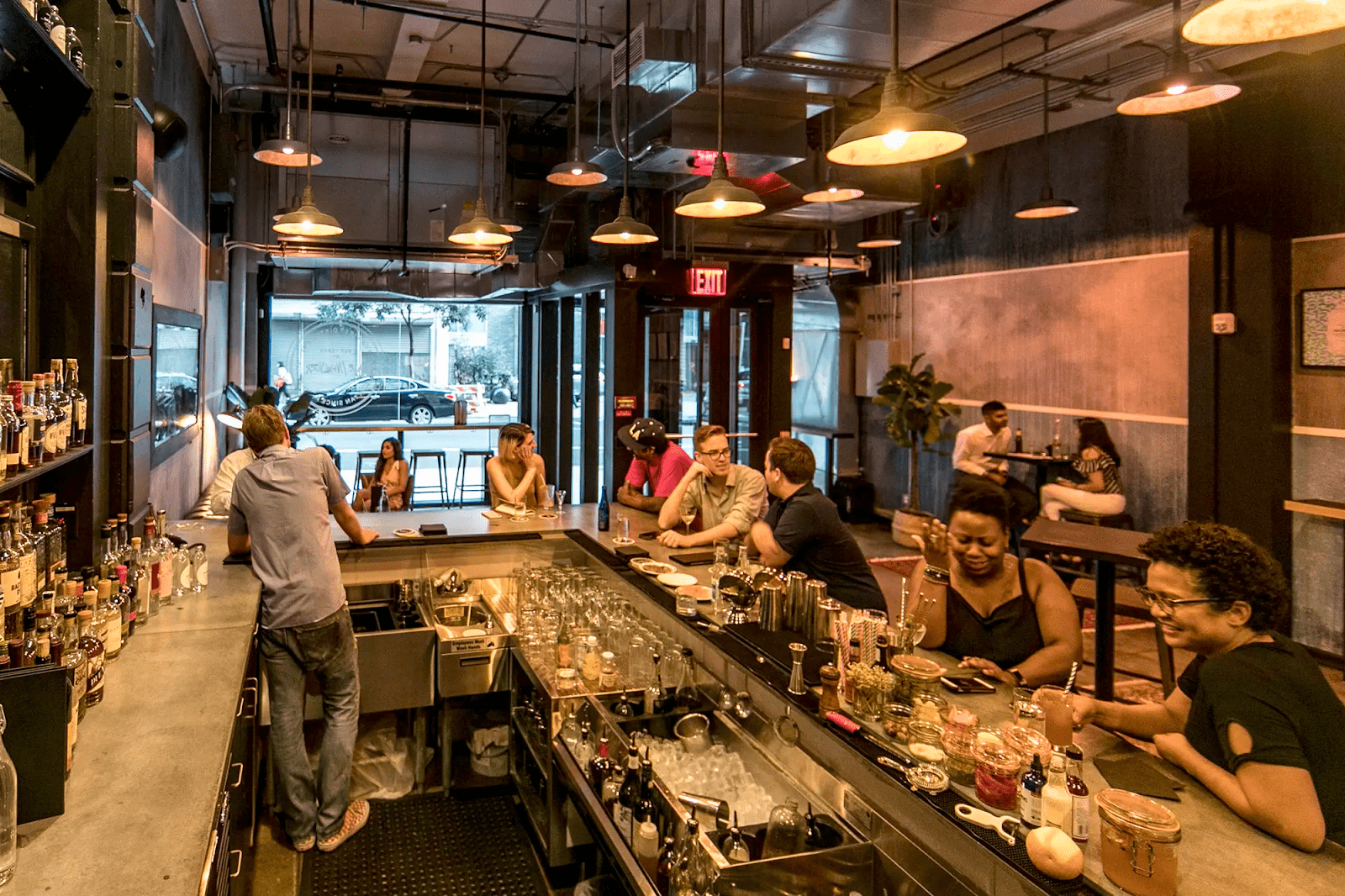
After the repeal of Prohibition in 1933, the NYC vodka industry experienced a revival. The vibrant nightlife was not complete without cocktails and spirits, including vodka. Therefore, entrepreneurs took advantage of this. In the 1930s, new distilleries began to appear in NYC, seeking to meet the growing demand for quality vodka.
Also in the 1930s, vodka was included in Harry Craddock’s recipe book The Savoy Cocktail Book. It was a part of numerous cocktails.
The second half of the 20th century was characterized by the expansion and modernization of the vodka business in NYC. Newly established distilleries invested in advanced technologies and implemented strict quality control measures to improve their production processes.
At that time, the U.S. also set standards for vodka production. It had to be 40% or 80% ABV.
The second half of the 20th century was marked by the rapid growth and development of the vodka business in NYC. Also in the 1980s, many distilleries in NYC began producing flavored vodka. It was a special product that appealed to many consumers. Flavored vodka was considered the best alcohol for shots. It was ideal for drinking neat.
In the 21st century, NYC’s vodka industry continues to evolve through a dynamic blend of tradition and innovation. The city boasts a variety of distilleries that have their own unique production methods and history. Over the many years of development and formation of the vodka business in NYC, one can trace how the range of flavors and styles of alcoholic beverages has been constantly expanding.