

The Morgan Library & Museum is a unique cultural complex, rare book library, and research center that grew out of the private collection of J. Pierpont Morgan. The collection features illuminated manuscripts, rare books, original music scores, personal letters, diaries, and fine art. By hosting world-class exhibitions, tours, concerts, and educational programs, the museum seamlessly blends historic heritage with contemporary cultural life. Here is on newyork1.one a closer look at the history and unique features of this iconic New York City landmark.
From Private Mansion to Public Institution
In the late 19th century, this block of Madison Avenue was a quiet enclave of wealth, occupied by four elegant brownstones separated by gardens and stables. Toward the end of the century, J. Pierpont Morgan—a titan of finance and a voracious collector—purchased one of them. For Morgan, books and manuscripts quickly became even more essential than living space.
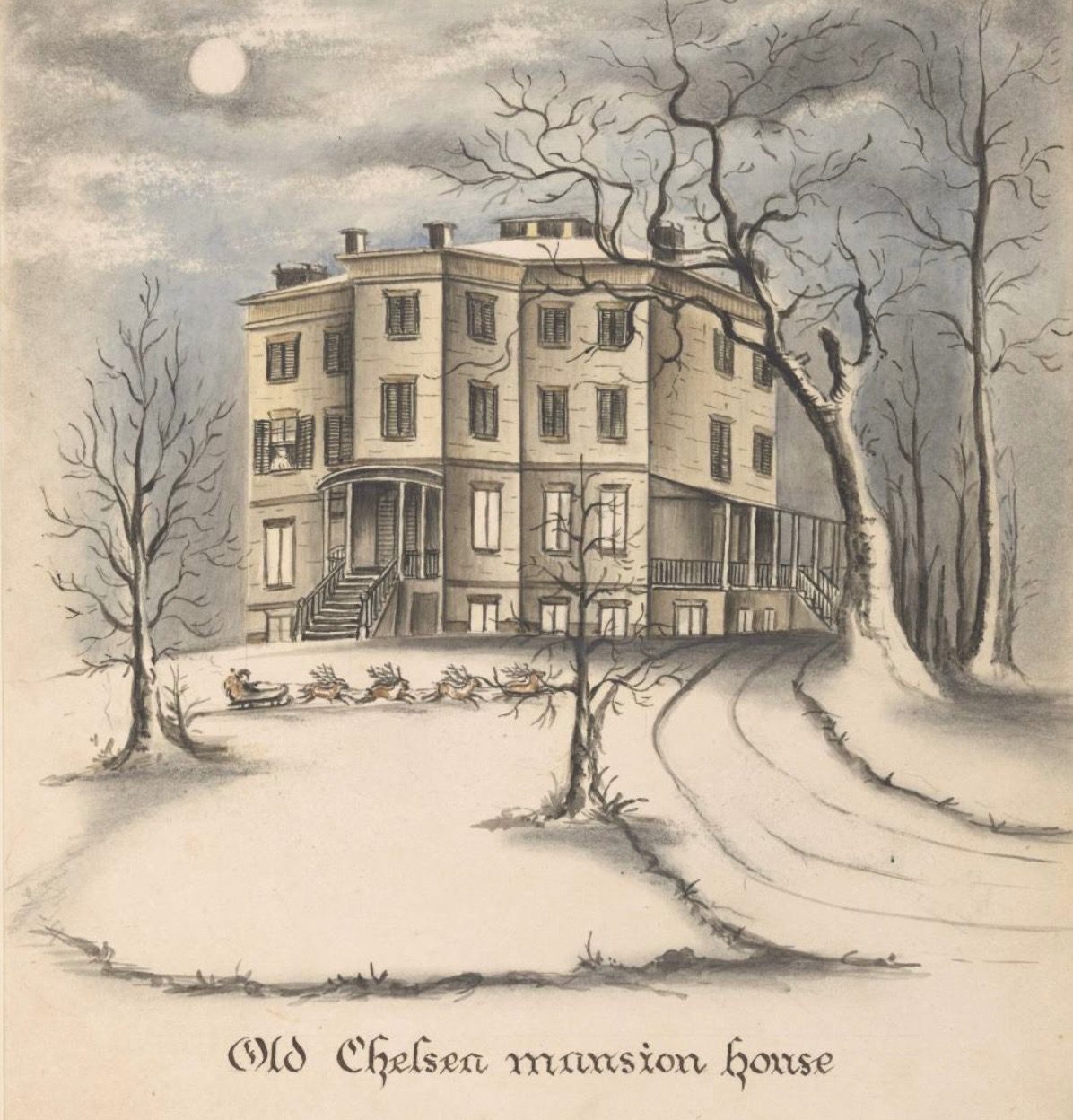
His collection grew so rapidly that his home could no longer contain it. Morgan began acquiring neighboring lots, clearing old mansions to commission a dedicated library: a restrained, classical structure made of solid marble.
Completed between 1906 and 1907, the library initially served as Morgan’s private sanctuary. It famously became a meeting ground for financiers during the Panic of 1907, where Morgan played a key role in stabilizing the U.S. economy. Belle da Costa Greene was appointed as the first librarian, tasked with cataloging and aggressively expanding the collection. Over the years, the library amassed thousands of medieval artifacts, paintings, and rare manuscripts.
After Morgan’s death in 1913, his son, Jack Morgan, worked to ensure the legacy remained intact, eventually making much of the collection accessible to the public. In 1924, the library was officially incorporated as a public institution, though it was initially reserved for scholars. By the 1940s, the doors were opened to the general public, and the building continued to expand with new galleries and lecture halls.
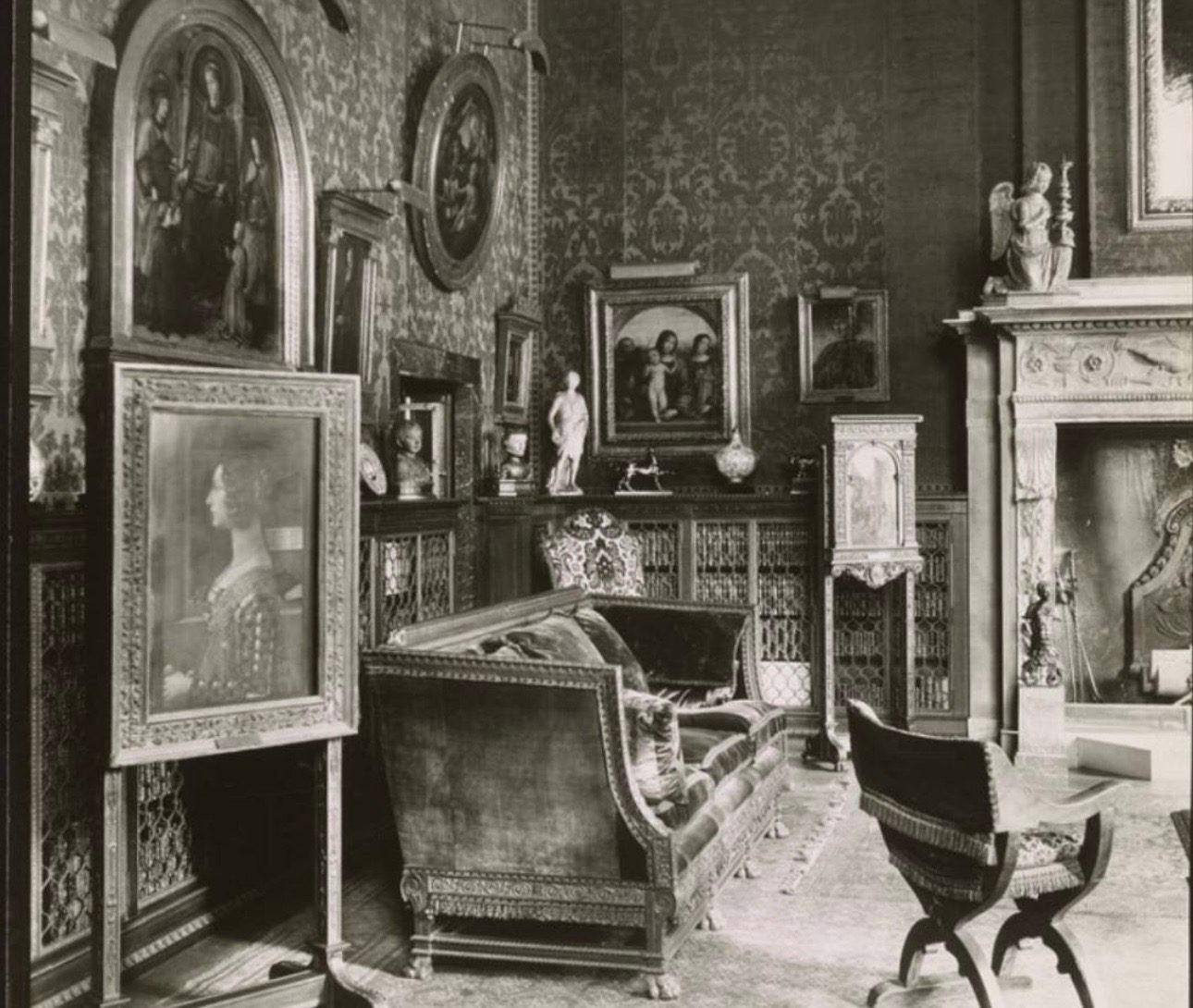
Throughout the late 20th century, the Morgan became a vibrant cultural hub, introducing concerts and modernizing its facilities. In 1989, a glass conservatory was added to connect the main library with the brownstone at 231 Madison Avenue, and the spaces were further renovated for major exhibitions in 1991.
In the late 1990s, a transformative expansion began under the direction of renowned Italian architect Renzo Piano. The project introduced new exhibition galleries, a reading room, a modern auditorium, and state-of-the-art storage facilities. The institution officially reopened in 2006 as The Morgan Library & Museum, showcasing Morgan’s private study and vaults to the world.
In 2024, The Morgan Library & Museum celebrated its centennial as a public institution. Leading up to this milestone, the museum launched a massive $50 million fundraising campaign in 2023. Of this, $35 million was earmarked for the endowment, with $15 million dedicated to capital improvements and infrastructure. This effort was bolstered by significant philanthropic support, including a $10 million gift from heiress Katharine Rayner and $5 million from the Jerome L. Greene Foundation.
The Architectural Ensemble of the Morgan Library
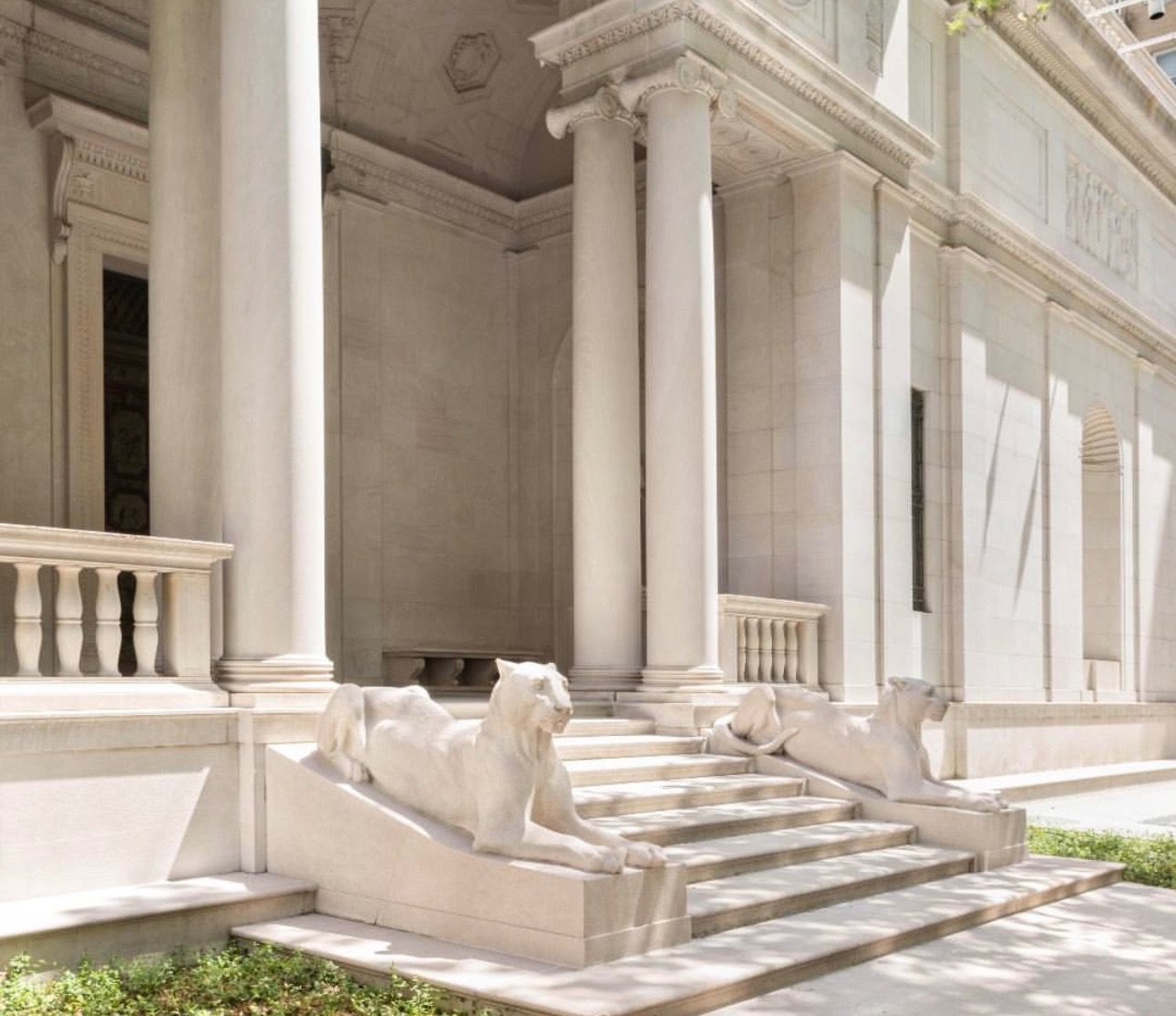
The main building, known as the McKim Building, stands as a monument to classical harmony. Designed by Charles McKim in the Renaissance Revival style at the turn of the 20th century, it is a stunning T-shaped structure with a facade of white Tennessee marble. A Palladian arch at the main entrance, flanked by Ionic columns, leads into a portico featuring glass doors from Florence, where bronze lions silently guard Morgan’s legacy.
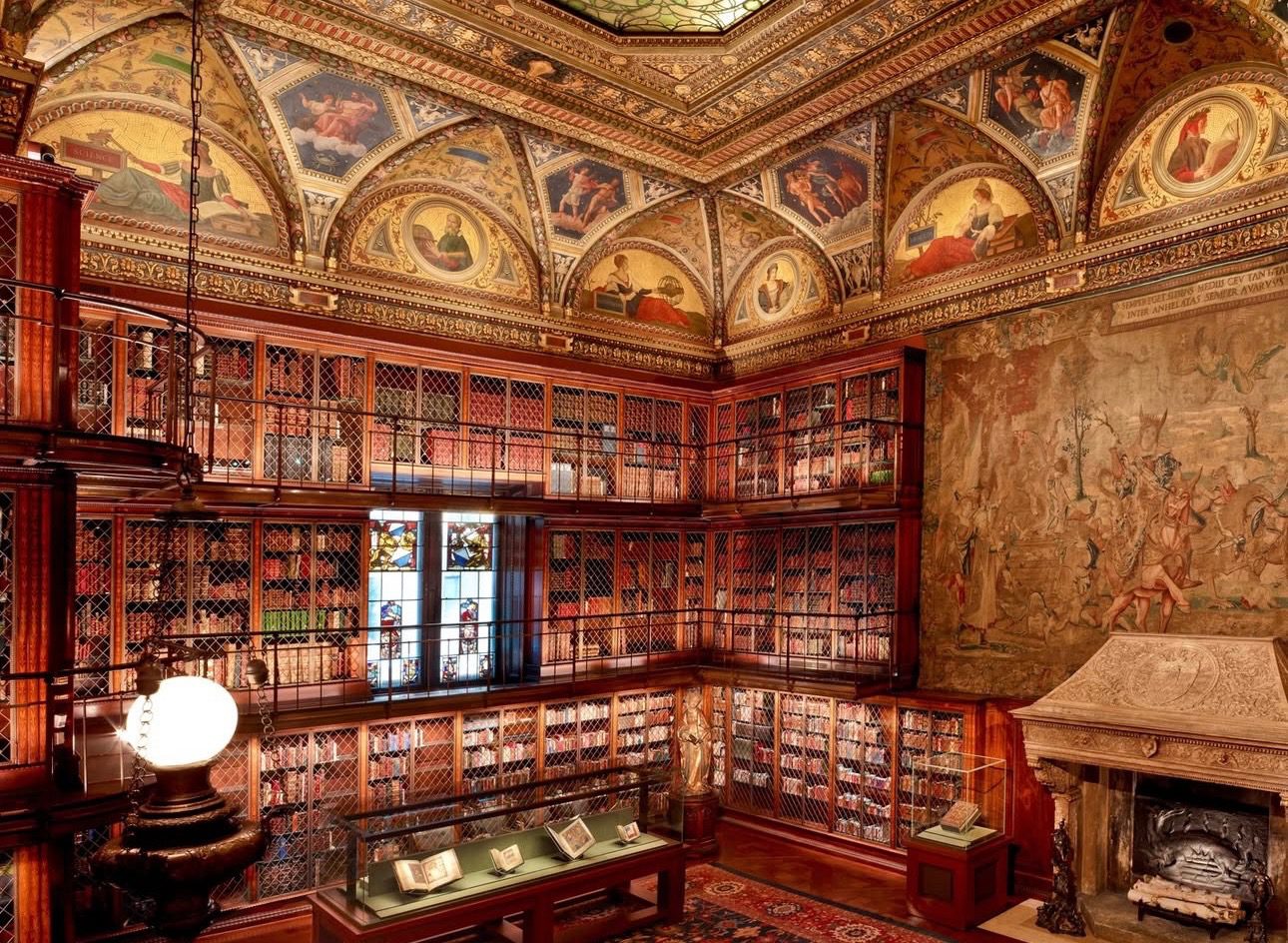
Inside, the Rotunda is a true temple of light and art. With its frescoes, marble floors inspired by Vatican patterns, and ornate decorative panels, it feels as though you’ve stepped into an authentic Italian palace hall. The library’s rooms—from the West Room, which served as Morgan’s private study, to the East Room with its triple-tier bookcases—reveal a profound love for knowledge. These treasures are meticulously preserved behind steel, glass, and asbestos, shielding the riches of past centuries.
The Annex on the corner of Madison Avenue and 36th Street, a serene Italianate structure by Benjamin Morris, gently complements the main building. Its marble walls house elegant exhibition galleries and the stately Marble Hall. Meanwhile, the brownstone at 231 Madison Avenue (the former residence of J.P. Morgan Jr.) retains a palpable touch of the past. Here, ballrooms, fireplaces, and exquisite oriel windows allow visitors to witness the life of the great banker and collector through the prism of time.
Renzo Piano’s 2006 expansion seamlessly integrates into this historic ensemble. Utilizing glass walls and steel structures, the modern lobbies bridge the gap between past and present. The sun-drenched Gilbert Court, with its transparent roof, and the Clare Eddy Thaw Gallery add a sense of airiness to the complex. Below ground, high-tech vaults safeguard the library’s greatest treasures, hidden away like secrets waiting to be discovered.
A Labyrinth of Time: The Treasures of the Morgan Collection
The collection at the Morgan Library & Museum is a literal labyrinth of time and culture, where every object whispers its own story. What began as J. Pierpont Morgan’s personal cache of porcelain, triptychs, and manuscripts has evolved into a massive trove of over 350,000 objects, stunning in their diversity.
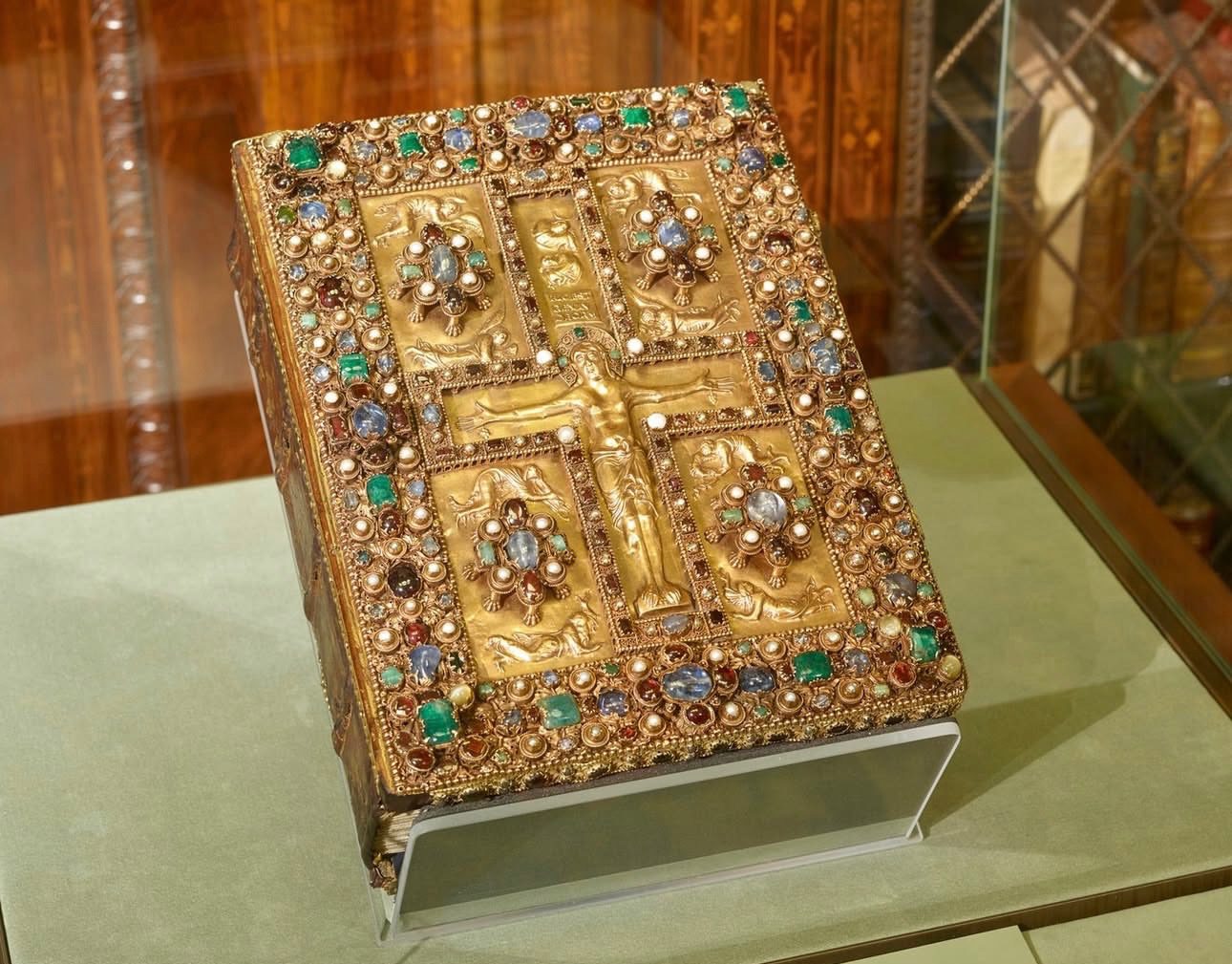
- Manuscripts and Letters: Spanning from the 6th to the 16th century, the collection includes the Morgan Bible, the Glazier Codex, and original Anglo-Saxon Gospels. Visitors can find original manuscripts by Charles Dickens, Edgar Allan Poe, and Ernest Hemingway, as well as letters from Napoleon, Voltaire, and Vincent van Gogh. Every page and autograph serves as a portal into the past.
- Music: The music collection resonates through the ages. It houses librettos, autographs, and scores by Beethoven, Mozart, Verdi, and Chopin, sitting alongside handwritten lyrics by Bob Dylan. Here, classical symphonies and legendary folk music come alive, proving that music truly transcends time.
- Rare Books: The holdings range from Gutenberg Bibles and rare medieval psalters to first editions of Alice’s Adventures in Wonderland. These volumes preserve not just information, but the very soul of their creators.
- Fine Art: The collection of Old Master drawings and prints—featuring works by Rembrandt, Cézanne, Perugino, and Memling—transforms the museum into a world-class gallery where every glance meets the elegance and emotion of the centuries.
Curiosities: Persian carpets, Egyptian statuettes, bronze and silver artifacts, tapestries, and ancient jewelry complete the picture. One standout is a 4,000-year-old Babylonian figure, a relic of antiquity that offers a glimpse into the dawn of civilization.
The Museum as a Stage for Modern Dialogue
At The Morgan Library & Museum, the collections are far from static. Here, the treasures of the past come to life through music, the spoken word, and creative gatherings. Concerts, film screenings, lectures, and hands-on workshops transform the museum into a dynamic stage for cultural exchange—ranging from intimate chamber music evenings to interactive family programs.
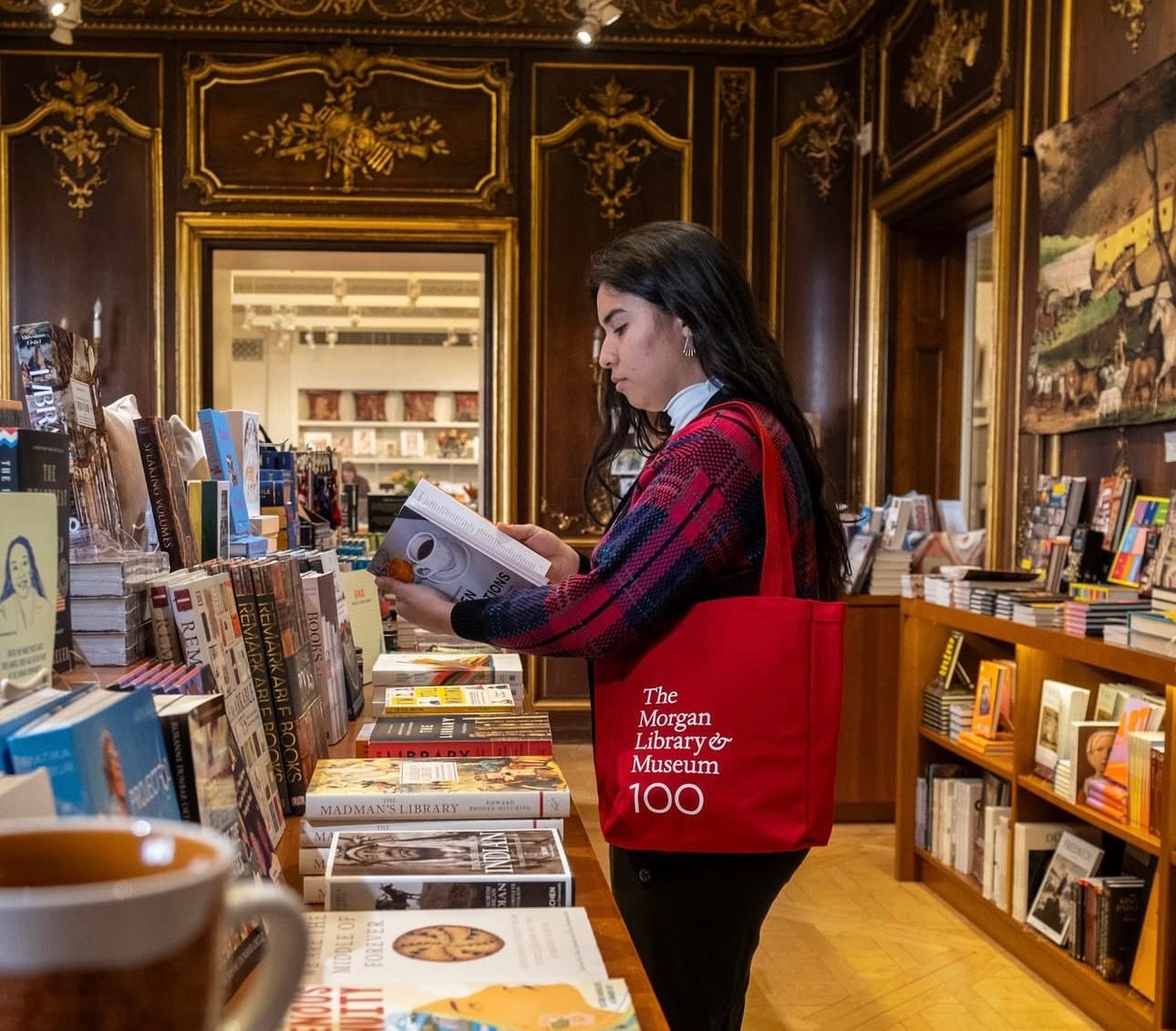
Every evening (except Mondays), guided tours of the permanent collection offer a “behind-the-scenes” look at history. For children and teens, the museum provides gamified tours, creative challenges, and interactive workshops designed to make art accessible and engaging. Meanwhile, students and adults can dive deep into symposia, panel discussions, and online courses that explore everything from medieval manuscripts to contemporary art.
The concert series serves as a unique bridge between the past and the present. In the very halls where original musical manuscripts are kept, the works of Beethoven, Mozart, Verdi, and Chopin fill the air. Both classical and modern melodies find new life in the setting where those notes were first conceived, returning the music to its primary source.
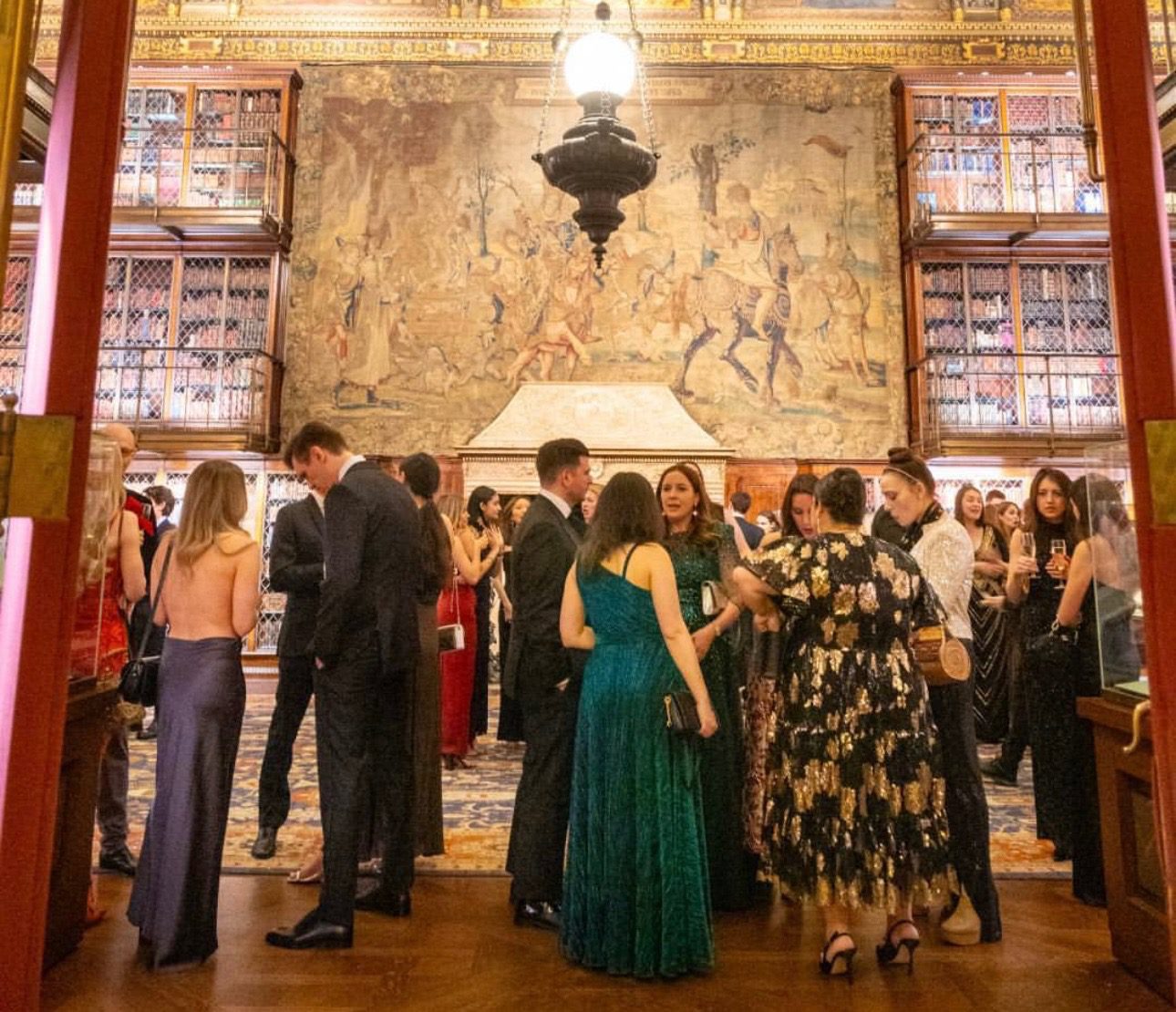
Museum parties and social events turn the library into a vibrant community space. With music, conversation, and after-hours gallery viewing, there is a palpable sense that history is not “preserved in amber” but is a living, breathing part of the city. Annual summer cocktail parties and winter galas add a touch of seasonal magic, fostering a community where the past and present collide.
The Morgan’s programming is generously supported by numerous charitable foundations and government agencies, ensuring the museum remains accessible to everyone—from families and teenagers to students and professional researchers.
Visiting Information
The Morgan Library & Museum welcomes guests nearly every day, closing only on Mondays and major holidays (Thanksgiving, Christmas, and New Year’s Day).
Standard Operating Hours:
- Tuesday–Thursday: 10:30 AM – 5:00 PM
- Friday: 10:30 AM – 8:00 PM
- Saturday–Sunday: 10:30 AM – 5:00 PM
Free Admission Opportunities:
- Free Friday Evenings: Every Friday from 5:00 PM to 8:00 PM (advance reservation required).
- Free College Sundays: The first Sunday of the month for students (registration opens one month in advance).
- Historical Room Access: Free entry to the library’s historic rooms during specific hours (e.g., Tuesday and Sunday from 3:00 PM to 5:00 PM).
- Highlights Tour: Free daily guided tours in English at 12:30 PM, lasting approximately one hour. No registration is required, but space is limited.
This is more than just a library or a museum; it is a treasury of human creativity. Every object is a thread in a vast tapestry of history, art, and knowledge. The Morgan serves as a powerful reminder that art, music, literature, and science are forever intertwined, forming the cultural fabric that we preserve for generations to come.