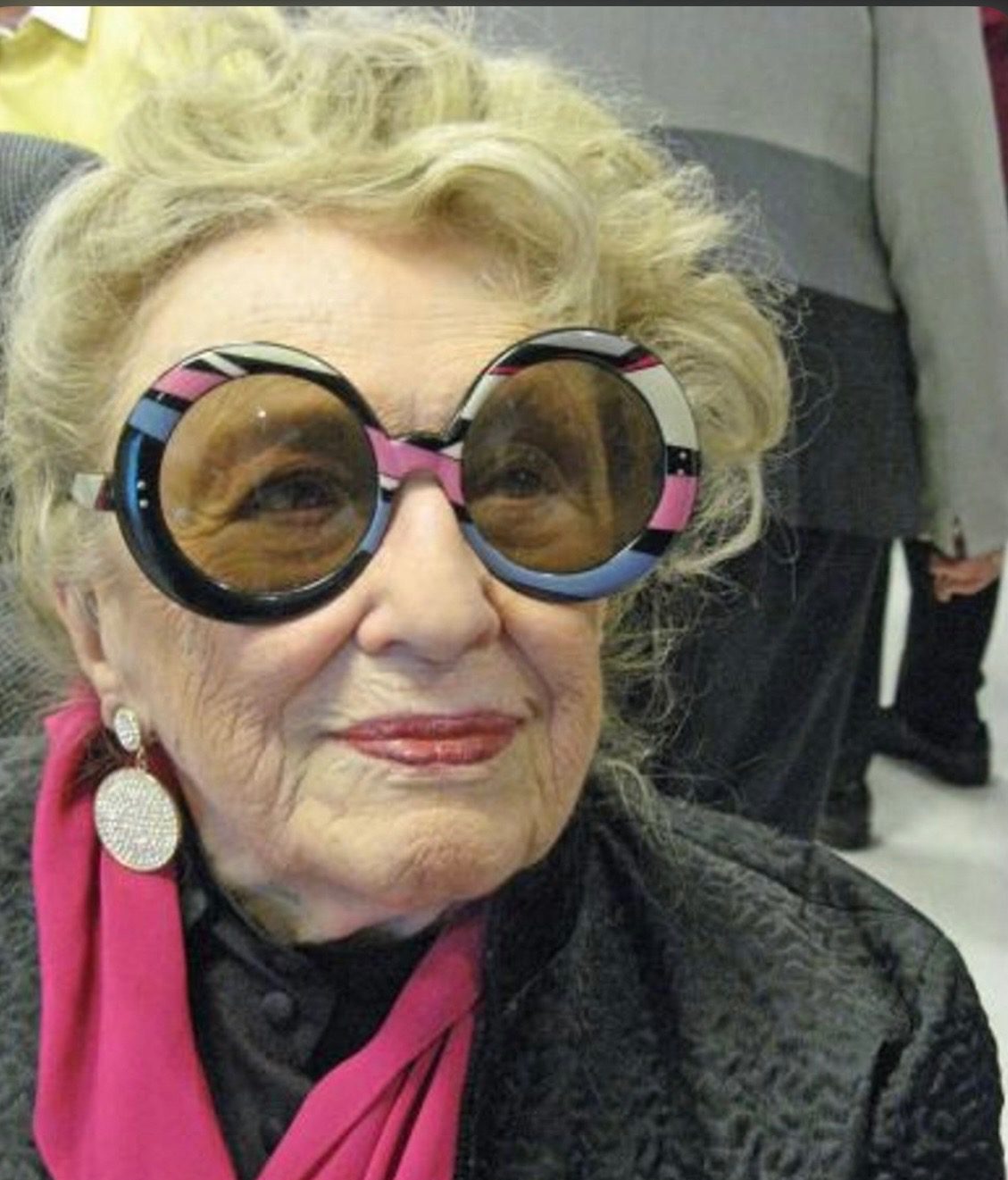
Bel Kaufman was an American writer and educator of Ukrainian descent whose iconic novel, Up the Down Staircase, became a definitive mirror of the American public school system. Her work masterfully weaves sharp social commentary with humor and deep empathy. Today, Kaufman is remembered as a powerhouse of 20th-century American literature. Here is щи newyork1.one a closer look at her extraordinary life and the novel that defined her career.
The Journey from Odessa to New York
Bella Kaufman was born on May 10, 1911, in Berlin, where her father, Michael Kaufman, was studying medicine. Her mother, Lala Rabinowitz Kaufman, was the daughter of the legendary Yiddish writer Sholem Aleichem—the man whose stories eventually inspired the world-renowned musical Fiddler on the Roof. Following Michael’s studies, the family returned to their homeland.
Bella’s childhood unfolded in Odessa, a vibrant, multicultural port city filled with sea breezes, acacia trees, and an endless cycle of poets and musicians. She was a child prodigy of sorts, publishing her first poem, “Spring,” in an Odessa magazine at a young age. However, her upbringing was also forged in fire. The horrors of the Russian Revolution and Civil War—soldiers storming her home, the sound of gunfire, bitter hunger, and the sight of frozen bodies on the streets—left an indelible mark on her memory.
Her grandfather remained her greatest inspiration. Bella cherished his letters and the memories of their walks together, during which he would tell her:
“The tighter you hold my hand, the better I will write.”
This profound connection to the written word became the North Star of her life.
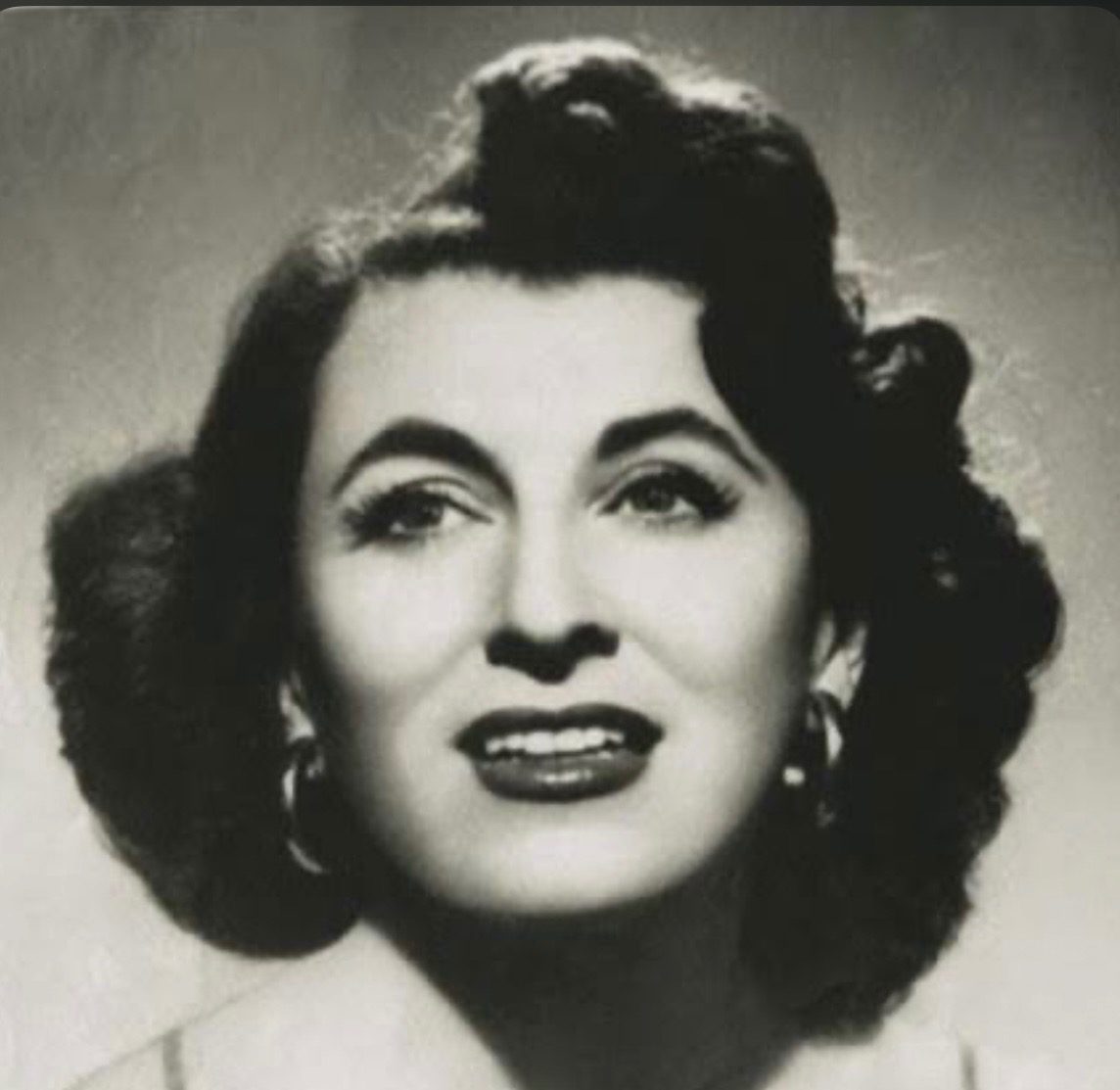
At age 12, Bella emigrated to the United States with her parents. After a brief stay in Newark, they settled in the Bronx. Arriving without a word of English, the pre-teen was placed in a first-grade classroom with six-year-olds. Yet, the kindness of her teachers sparked a transformation; she didn’t just learn the language—she fell in love with it. By the time she graduated from Hunter College in 1934 and earned her Master’s from Columbia University in 1936, she knew her calling was the classroom.
A Life Split Between the Classroom and the Typewriter
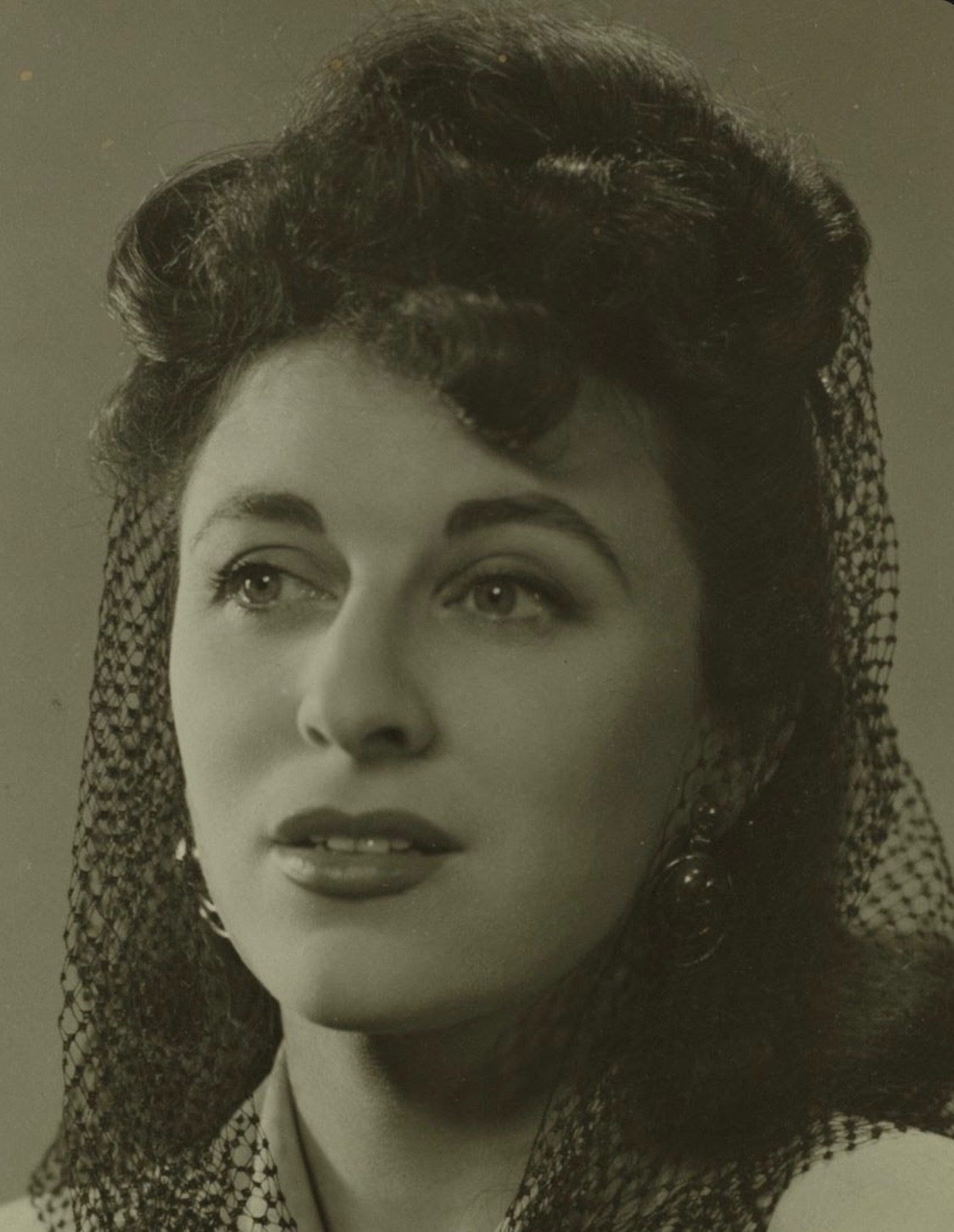
Following her graduation, Kaufman began teaching English in various New York City high schools, balancing her role as an educator with a burgeoning career as a writer.
The path to a permanent teaching license was anything but easy. She was repeatedly denied certification due to her “foreign accent.” But she refused to back down. While fighting for her credentials, she worked as a per-diem substitute in some of the city’s toughest schools. Even in the most chaotic environments, her wit and observational skills allowed her to forge genuine connections with her students.
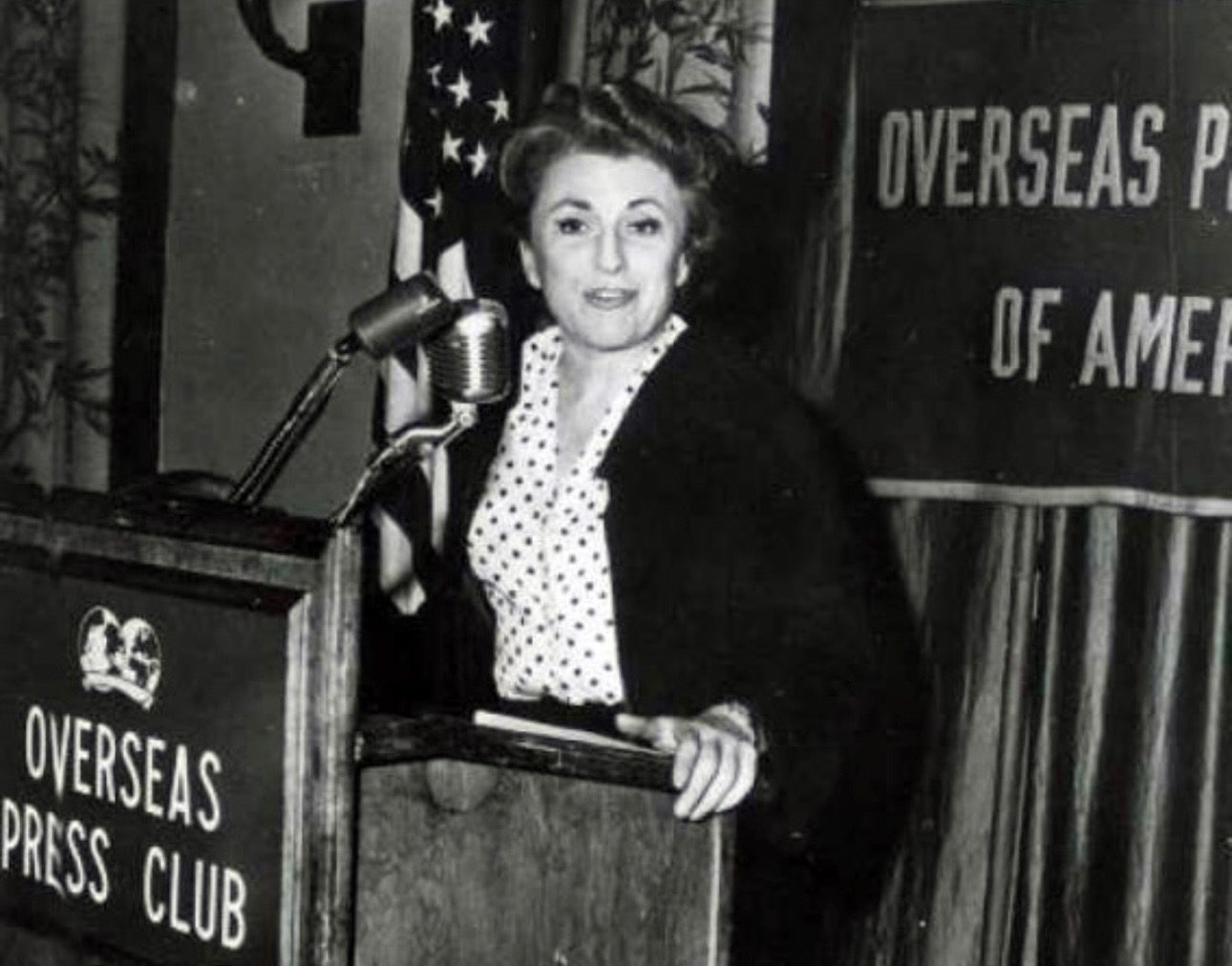
Simultaneously, her literary career began to take flight. In the 1940s, her short stories appeared in Esquire. To bypass the gender bias of the era, she shortened her name to the gender-neutral Bel. The family’s literary torch—passed down from Sholem Aleichem to her mother, Lala—was now being carried by a new, distinctly American voice.
Kaufman’s passion for education never flickered, even as she reached centenarian status. At 99, she was invited back to her alma mater, Hunter College, to teach a course on Jewish humor. She remained active well past her 100th birthday.
“I’m too busy to grow old,” she famously quipped, spending her final years immersed in writing and research.
Her journey was a true American odyssey: from a revolutionary Odessa to the halls of New York academia; from an immigrant child who couldn’t speak the language to a master of English prose who left an enduring mark on the literary world.
“Up the Down Staircase”: A Literary Masterpiece by Bel Kaufman
In 1964, the literary world welcomed Bel Kaufman’s definitive work, Up the Down Staircase. The novel follows a bright, high-honors college graduate as she begins her career as an English teacher in a New York City public school. The book vividly portrays the grit of school life, from complex relationships with colleagues and students to bureaucratic red tape and the bittersweet moments Kaufman experienced firsthand.
Originally published as a short story titled “From a Teacher’s Wastebasket” in 1962 in the Saturday Review, it quickly evolved into a full-length novel with the support of Prentice Hall.
The title itself, “Up the Down Staircase,” is a brilliant multi-layered allegory:
- The Literal Meaning: Some schools enforced a rigid rule where certain stairwells were for “up” traffic only and others for “down.” In the actual chaos of a school day, this rule was constantly ignored, perfectly illustrating the disconnect between administrative directives and real life.
- The Symbolic Path: The protagonist’s journey as a teacher is an “upward” climb toward professional and personal growth, yet it takes place within a system that often acts as a downward force. To move forward, she must constantly overcome institutional resistance.
- The Psychological Context: The title mirrors the internal state of a young educator—her exhaustion, her confusion, and yet her sheer persistence when idealism hits the wall of harsh reality.
- The Ironic Twist: The phrase sounds like an absurd bureaucratic instruction, highlighting the novel’s humor and its critique of a system where rules frequently contradict common sense.
Structurally, the novel was revolutionary. It is composed entirely of letters, memos, administrative notes, student papers, and lesson plans. This “found footage” style of literature creates a vibrant and hauntingly realistic portrait of the fictional—yet incredibly familiar—Calvin Coolidge High School in New York.
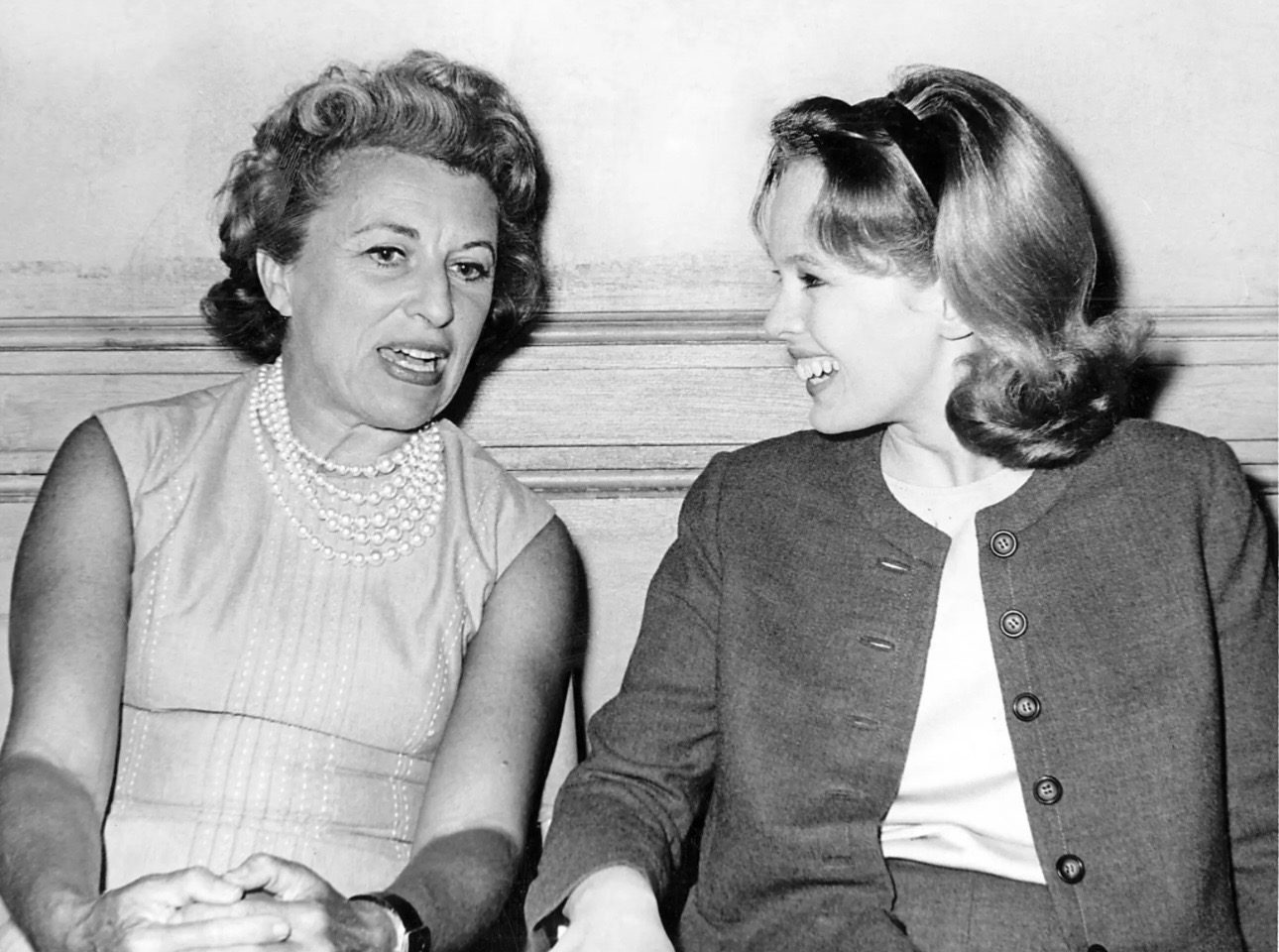
The book was an instant sensation. It remained on the New York Times bestseller list for over a year, sold more than six million copies, and was translated into at least 16 languages. In 1967, it was adapted into a major motion picture starring Sandy Dennis, with Bel Kaufman herself serving as a technical advisor.
The novel’s success brought Kaufman widespread recognition as a writer and public speaker. Beyond satirizing bureaucracy, it tackled raw issues in NYC schools: poverty, racial tension, drug use, and teen pregnancy. While she published a second novel, Love, etc., in 1979, her name remains forever synonymous with the success of her first masterpiece.
Personal Life and the Kaufman Legacy
Bel Kaufman married Sydney Goldstine in 1936, shortly after graduating from Columbia University. They had two children: Jonathan, who became a professor of computer science, and Thea, a psychologist. Following a divorce in the 1960s, Bel married Sidney Gluck—a photographer and scholar five years her junior. They remained together until the end of her life.
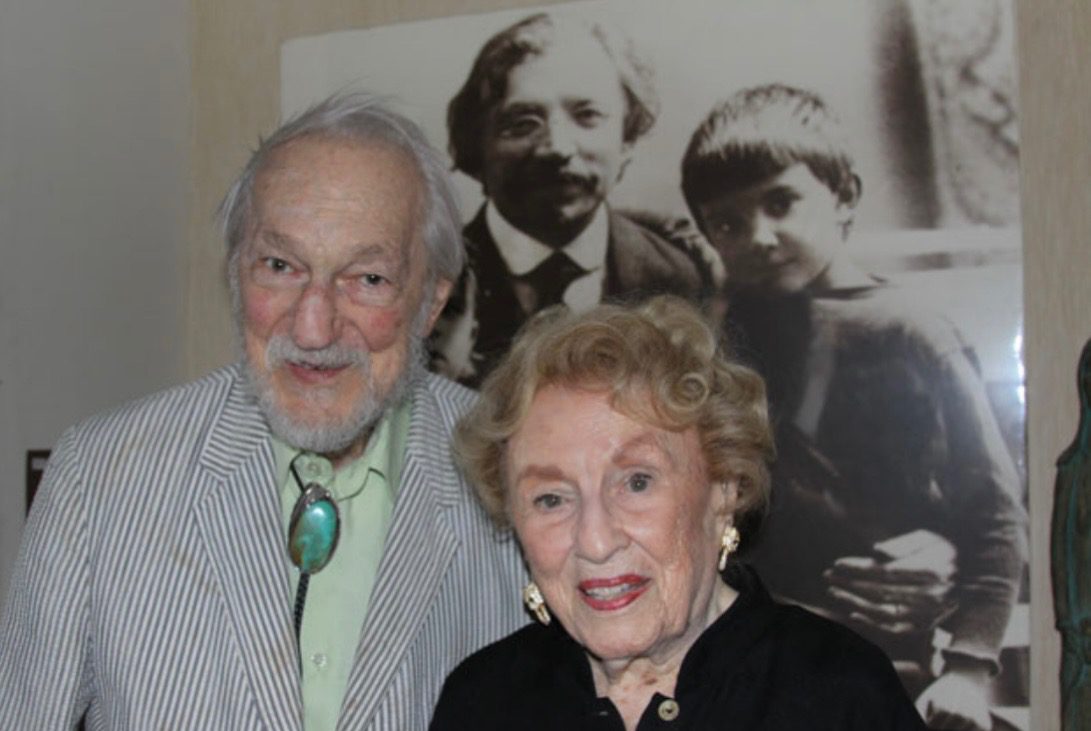
Bel Kaufman passed away at her home in New York on July 25, 2014, at the remarkable age of 103. She left an indelible mark on literature, education, and Jewish culture:
- Honorary Chair of the Yiddish Studies Faculty at Columbia University.
- Board Member of the Sholem Aleichem Memorial Foundation.
- Recipient of honors from the Anti-Defamation League and the United Jewish Appeal.
- Member of the Hunter College Hall of Fame.
Bel Kaufman lived a life where keeping a rhythm was just as important as keeping her word. She was a passionate tango dancer—a dance of intense proximity, balance, and mutual movement where every step requires trust. Perhaps that is how she approached life: with sharp intuition, never avoiding the difficult turns. Bel Kaufman proved that even when moving “up the down staircase,” one can leave behind a brighter space for others to follow.