

From its very beginning, New York City has been shaped by migrants. Since its founding, people have come from all over the world in search of a better life, work, and housing. They brought not just their belongings but also their cultures, traditions, and customs, and this multicultural environment is what shaped New York. What’s more, the city has always been welcoming to new arrivals, adapting to their needs. This has been true since the beginning and continues into the 21st century. In New York, many programs help migrants quickly adapt to city life, especially in education. Read more at newyork1.one.
New York’s Multicultural Schools
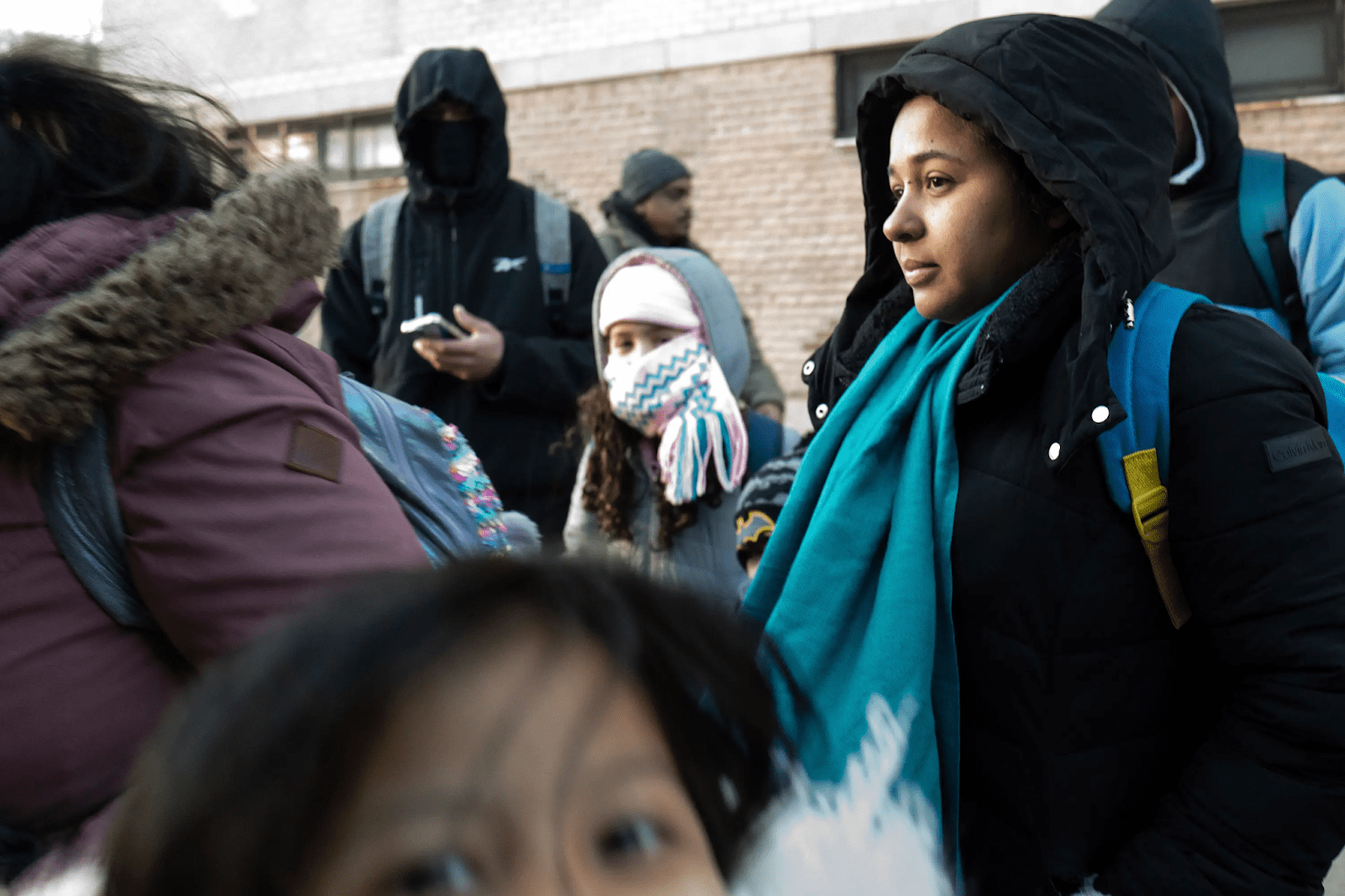
New York City’s public schools serve one of the most diverse student populations in the world. According to the NYC Department of Education, over 40% of students come from homes where English is not the primary language. More than 180 different languages are spoken in city schools, and many students are either first-generation immigrants or the children of immigrants. To support this multilingual and multicultural student body, schools have developed specialized programs and initiatives to ensure every student, regardless of their background, receives a high-quality education.
English Programs for Migrants
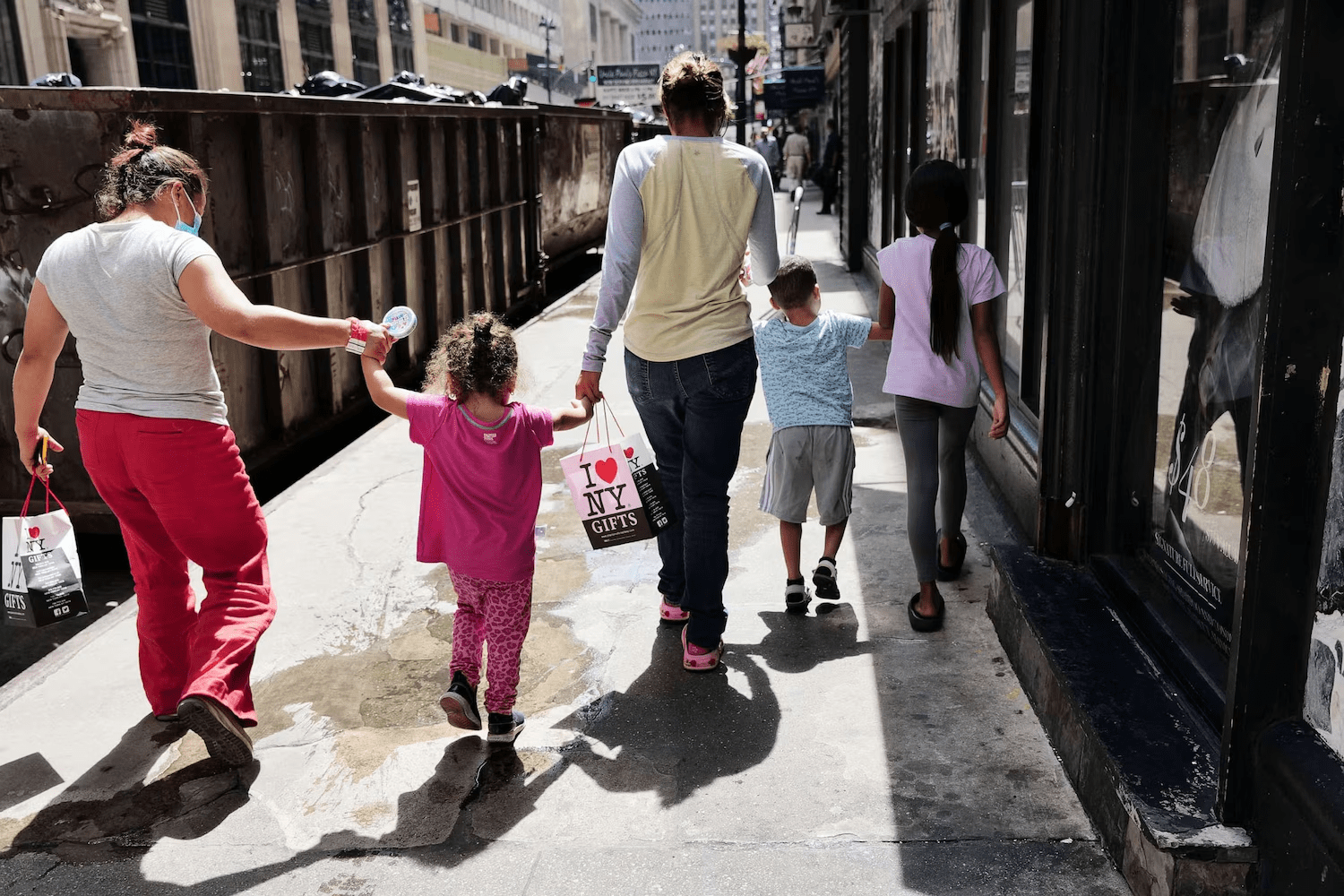
One of the most significant challenges for immigrant students is learning the language. The English as a New Language (ENL) program helps non-native English speakers develop the language skills necessary for academic success. These programs integrate language instruction with core subjects, allowing students to gradually transition into mainstream classes while continuing to receive language support. Furthermore, bilingual education programs have become popular in New York in the 2020s. These programs provide instruction in both English and the student’s native language, helping them achieve bilingual proficiency while ensuring they don’t fall behind in other subjects due to language barriers. Schools offer bilingual programs in Spanish, Chinese, Arabic, Bengali, and several other languages commonly spoken in New York’s immigrant communities. The NYIC Education Collaborative is dedicated to improving the quality of education for multilingual English learners and the children of immigrants in New York. The organization aims to ensure that parents can actively participate in their children’s education. The organization collaborates with community groups, advocates, and education experts to address the challenges that young immigrants and their families face in city schools. The NYIC Education Collaborative includes more than 30 groups representing various ethnic communities in New York. Its members include legal, policy, and education specialists, including experts in Multilingual Learner (MLL) and English Language Learner (ELL) instruction. At regular meetings, participants discuss current challenges, coordinate joint initiatives, and work to improve educational opportunities for immigrants. The main goal is to remove barriers, enhance parental engagement with schools, and protect students’ rights. Over decades of work, the organization has achieved significant success in expanding immigrant students’ access to educational resources, increasing family involvement, and collaborating with the NYC Department of Education to create an inclusive learning environment. It’s safe to say that for many years, migration and education in New York have been inseparably linked.
Culturally-Responsive Education
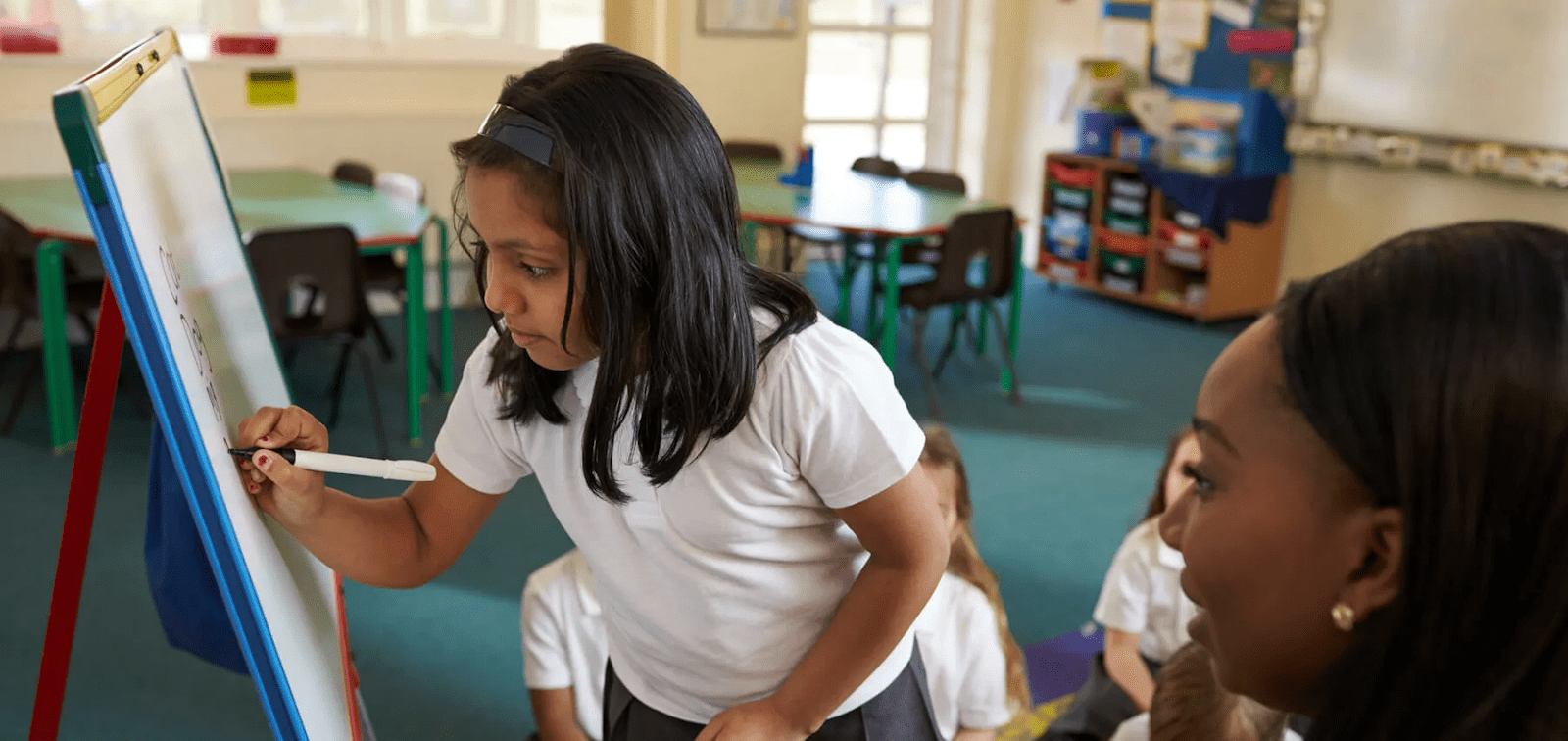
It’s also important to note that educational services for migrants are not just about overcoming language barriers but also about fostering a sense of belonging. Culturally-Responsive Education (CRE) initiatives are designed to reflect students’ backgrounds in the curriculum, learning materials, and school activities. Many schools include literature, history, and social studies lessons that highlight diverse perspectives. For example, students learn about immigration history, the contributions of various ethnic groups to American society, and the struggles and triumphs of different communities. Migrants in New York can also receive international advice on migration and education, such as from “Visa explore” and educational service reviews. The city’s “NYC Immigrant Family Resource Center” program also provides support to migrant families. Here, you can get counseling on topics like orientation and mental health to help students cope with the challenges of migration, cultural adaptation, and potential trauma.
Why Are Migrants a “Godsend” for New York?
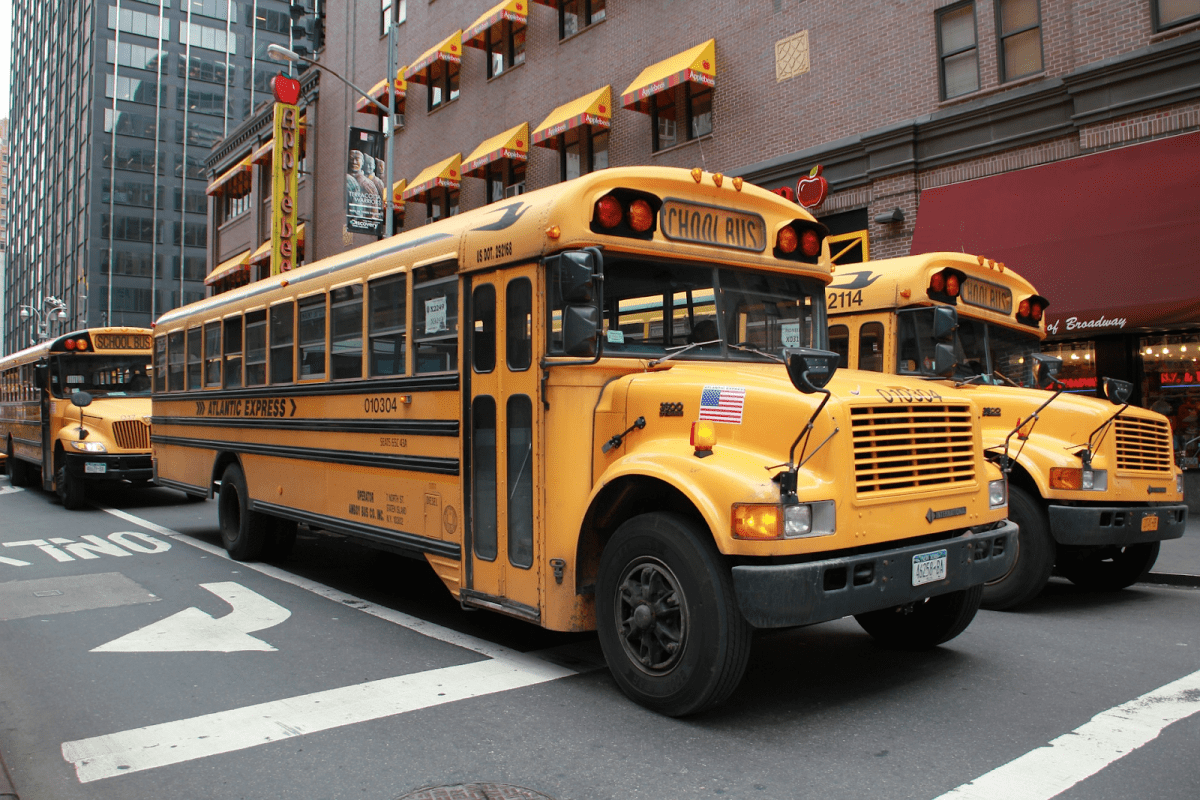
For New York, migrants have been a true “godsend.” Chancellor David S. Banks said this in an interview with The New York Times, specifically highlighting that migrants have helped New York schools that were losing students. The influx of migrants has a positive effect on the city’s educational institutions. Migrants enrich the cultural diversity of schools, broaden students’ horizons, and stimulate the development of inclusive educational programs. In addition, the increase in the number of students allows schools to receive additional funding, which helps improve infrastructure and resources for all students. Thus, migrants make a significant contribution to the development and enrichment of New York’s educational environment. Immigration education models at all levels in New York continue to change, so the future of education for migrants will likely see even greater integration of technology, personalized learning approaches, and expanded bilingual education initiatives. Thanks to ongoing investments in diversity-oriented policies and inclusive curricula, New York schools will continue to actively support migrants and their children, promoting an environment free of barriers.
Where to Get Help with Immigration and Education Services in New York
If you need help with immigration and education services in New York, several key organizations and resources can provide assistance:
- New York City Department of Education (DOE): Offers programs for English language learners and bilingual education. You can also find information on enrolling immigrant and undocumented students, as well as special support for families navigating the school system.
- NYC Mayor’s Office of Immigrant Affairs (MOIA): Provides legal assistance to immigrant families, offers free IDNYC cards for undocumented residents, and connects families with school resources.
- New York Immigration Coalition (NYIC): A support group that helps immigrants with education, legal aid, and public services. It offers resources for undocumented students applying for financial aid and college.
There are also other organizations that provide comprehensive assistance to migrants in New York. All of them can help immigrant students and their families navigate education, legal issues, and social services in the city.
Sources:
- https://www.nyic.org/our-work/education/education-advocacy-collaborative/
- https://www.norface-migration.org/publ_uploads/NDP_11_11.pdf
- https://www.nytimes.com/2024/09/05/nyregion/banks-migrants-nyc-schools.html
- https://abcnews.go.com/US/new-york-citys-rise-migrant-students-spurs-calls/story?id=102967104
- https://arrivein.com/daily-life-in-canada/helping-your-children-adapt-to-cultural-differences-in-the-classroom/