

The public school system in New York City unfortunately has many shortcomings, which lead many families to seek better educational opportunities for their children. For decades, charter schools have been the top alternative to traditional public schools in NYC. They promise an innovative approach to education, flexibility, and improved academic performance. But are these schools a true alternative, or are they becoming a new standard in education? We’ll explore everything about New York City charter schools in the article below at newyork1.one.
What Are Charter Schools?
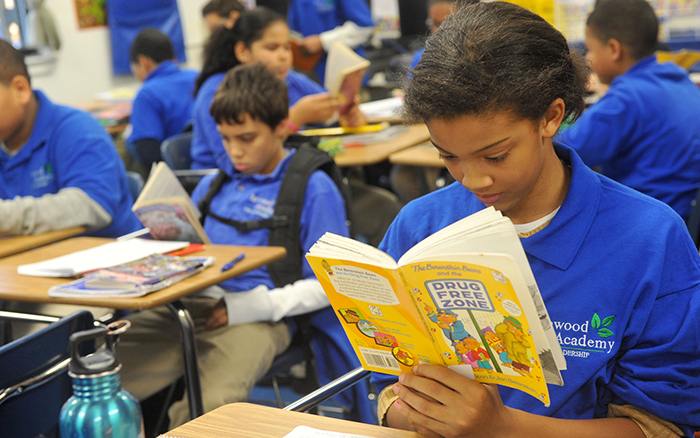
To better understand New York’s charter schools, it’s important to know what they are. Simply put, charter schools are independent public schools that operate under contracts, or “charters,” with the city or state. They are funded with public money but are run by private, nonprofit organizations, which gives them a great deal of autonomy in making decisions about curricula, teaching methods, and administration.
The main features of charter schools in New York include:
- Free Education: Like traditional public schools, charter schools do not charge tuition.
- Flexibility and Innovation: They can develop unique educational approaches, and experiment with teaching methods and curricula, which you don’t often find in a regular school.
- High Standards: These schools operate on the principle of “more freedom, more accountability.” If their students don’t show good results, the school can even be shut down.
- Lottery for Admission: Due to high demand, many charter schools admit students through a random lottery.
- Accountability: The schools regularly report to state authorities on their effectiveness and student outcomes.
Here is a list of some of the most well-known and highly-sought-after charter schools in New York City:
- Success Academy;
- KIPP NYC;
- Harlem Children’s Zone;
- Democracy Prep.
These schools often demonstrate high levels of student achievement, especially among low-income and immigrant families. However, it’s important to note that everything isn’t as perfect as it might seem. For years, New York’s charter schools have been a subject of controversy. While supporters see them as an effective alternative to traditional schools, critics argue that they divert funding from public schools and don’t always enroll children with special educational needs.
History and Growth of Charter Schools in New York
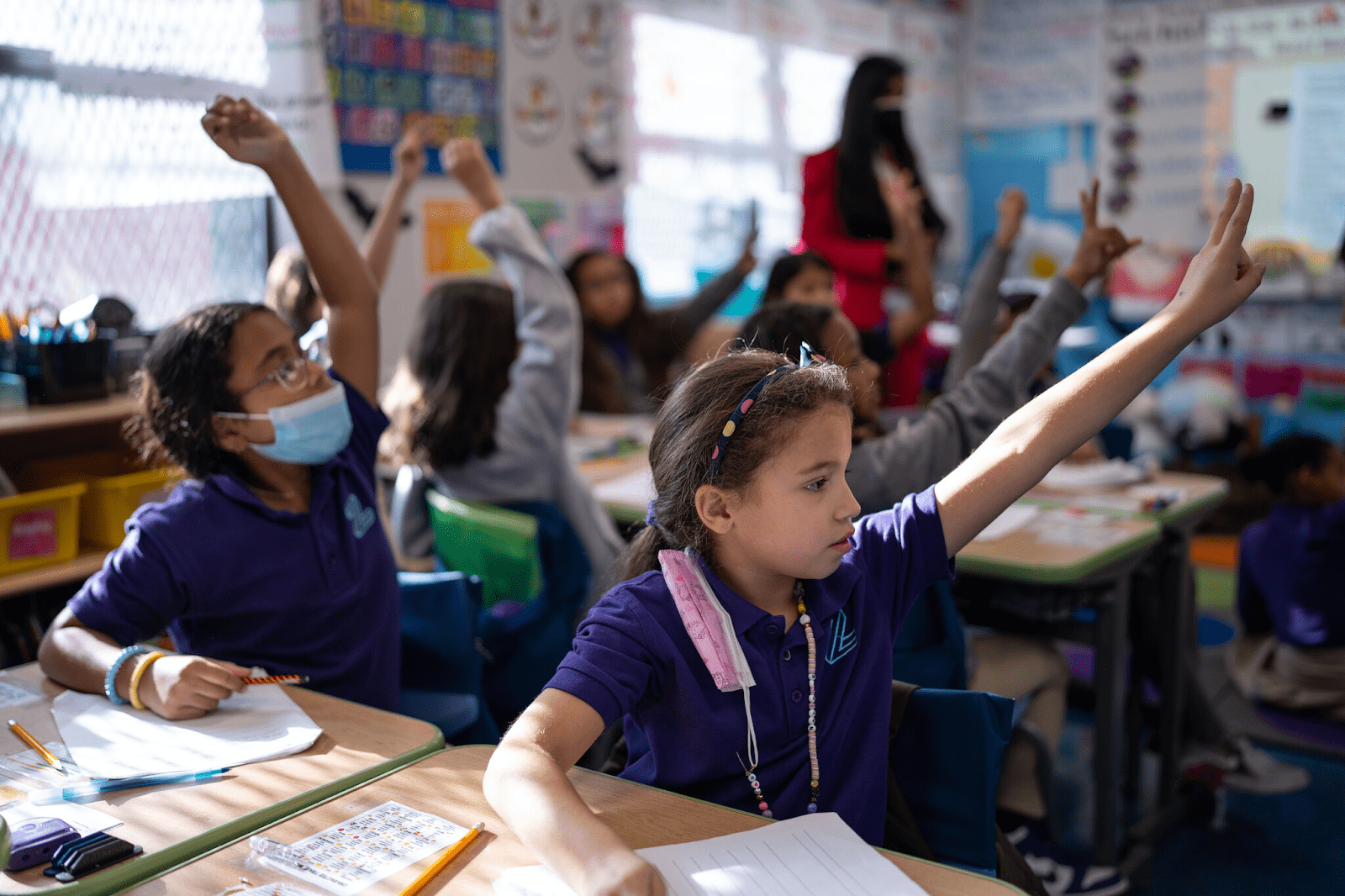
Charter schools first appeared in New York in 1998 as part of a broader national movement to give families more educational choices. Unlike traditional public schools, charter schools operate with greater autonomy, allowing them to experiment with curricula, teaching methods, and administration while still receiving public funding. Since the 1990s, the appeal of charter schools has steadily grown. In the 2020s, New York has more than 300 charter schools serving over 170,000 students. That’s nearly 15% of the city’s total public school enrollment. These schools are mostly located in underserved areas where parents are looking for high-quality alternatives to struggling local schools.
Why Do New Yorkers Prefer Charter Schools?
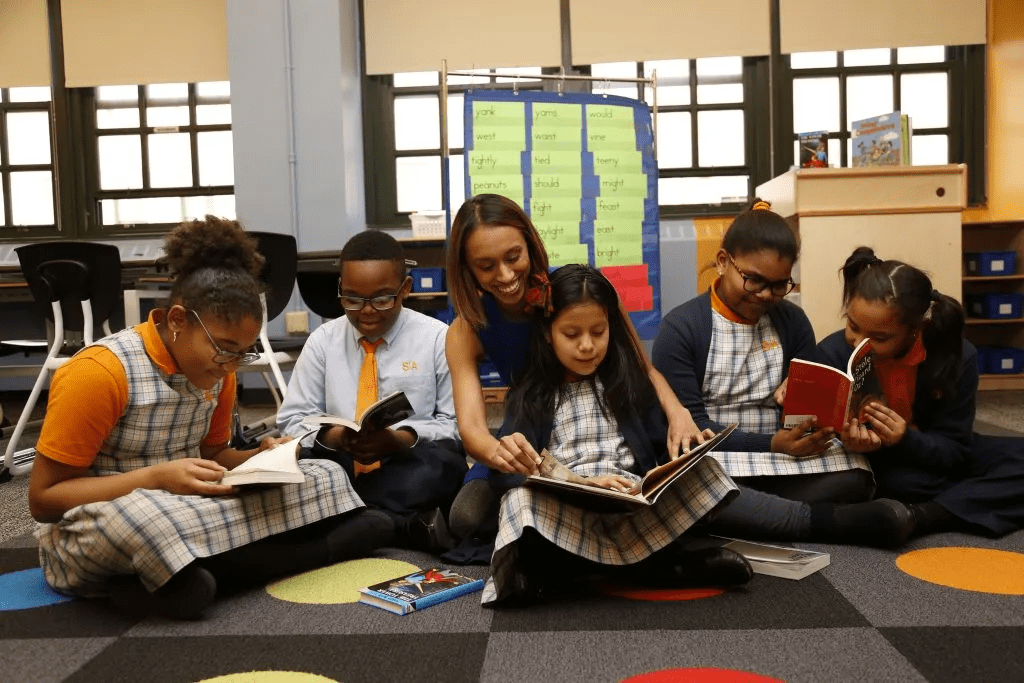
The primary reasons are flexibility, accessibility, and freedom. While traditional public schools must adhere to district policies, charter schools have the freedom to design a unique learning environment. These differences are often reflected in the length of the school day, the number of instructional hours, and overall teaching methods and accountability. Such schools might include project-based learning, individualized instruction, or specialized curricula focused on STEM, the arts, or language immersion. Another advantage is that the chances of getting in are often better. Charter schools cannot discriminate in admissions; they use lottery systems due to high demand, which makes for competitive enrollment.
Student Performance
Charter schools are praised for their academic achievements, especially for closing achievement gaps for minority and low-income students. Studies show that students at New York City charter schools often outperform their peers in traditional public schools on standardized tests. Many schools also boast high college acceptance rates and strong graduation statistics. Furthermore, charter schools have created significant competition for public schools. As charter schools have expanded, traditional public schools have been forced to adapt. In some cases, public schools have implemented longer school days, stricter curricula, and new teaching strategies to remain competitive. However, funding issues for public schools remain a serious concern, as they lose per-student funding when students transfer to charter schools. New York City charter schools consistently demonstrate results that surpass traditional district public schools in several metrics annually. These metrics reflect students’ subject mastery, but they don’t account for the fact that admission to charter schools is based on the voluntary choice of students. Although enrollment is officially done through a lottery, numerous reports indicate the existence of mechanisms that allow schools to exclude students with a lower chance of achieving high academic results. As a result, the student population in charter schools differs significantly from that of traditional district schools, which makes it difficult to make a fair comparison of their English Language Arts (ELA) and math scores. According to the New York State annual assessments for 2017: 53% of charter school students achieved the required proficiency level in English Language Arts (ELA), compared to 38% of district public school students. In math, 48% of charter students met the standards, while this figure was only 41% for public school students. The performance gap is particularly noticeable among African American and Hispanic students: Among African Americans, 52% of charter school students were proficient in math, while in district public schools, this figure was only 20%. In ELA, it was 49% versus 29%, respectively. Among Hispanic students, 48% of charter students successfully mastered math, while in district public schools, it was only 25%. In ELA, the difference was 45% versus 30%. Thus, while charter schools show high results, their admission system and student demographics can affect the objectivity of comparisons with district public schools. With growing demand and proven success in many areas, charter schools will likely be a fixture in New York’s education system for years to come. The key question is whether they will continue to serve as an alternative or become a model that transforms the entire public school system.
Sources:
- https://www.amny.com/education/new-york-city-charter-schools-continue-to-emerge-as-a-inclusive-new-opportunity-for-diverse-and-inclusive-education/
- https://showmeinstitute.org/blog/school-choice/charter-school-students-thriving-in-new-york/
- https://insideschools.org/insidetools/charter-schools
- https://www.nysed.gov/charter-schools/facts-about-charter-schools-new-york-state
- https://nyccharterschools.org/policy-research/fact-sheets/charter-facts/