

The Harlem Renaissance was a vital part of New York’s cultural identity in the early 20th century. While it’s often associated with literature, music, and visual arts, the movement also had a profound impact on education. The Harlem Renaissance High School was founded to integrate Black culture, history, and achievements into academic life. In this article, you’ll learn about the history of the Harlem Renaissance High School and how culture influenced education during and after this transformative era. Read more at newyork1.one.
What Was the Harlem Renaissance?
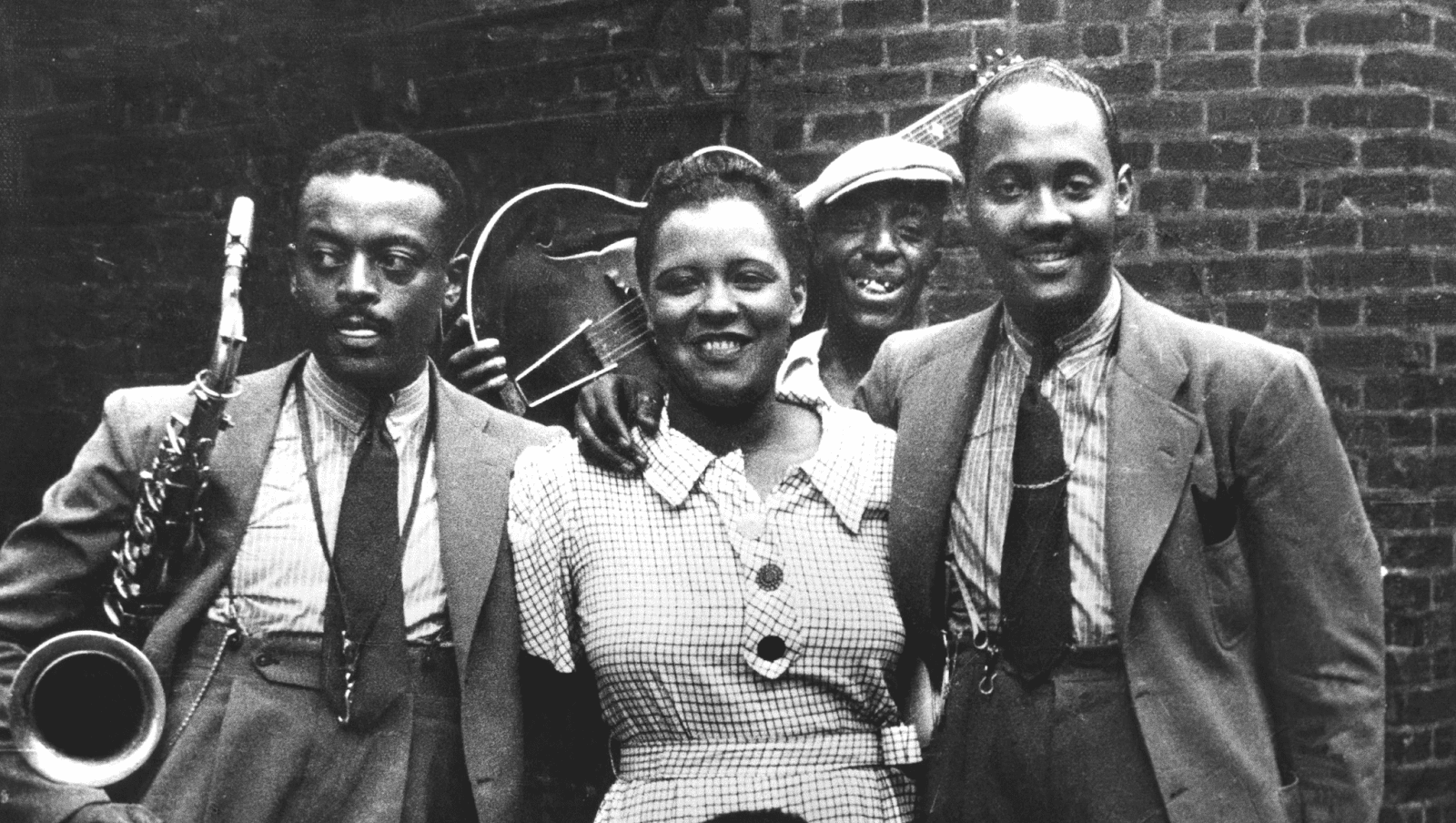
The Harlem Renaissance was an intellectual and cultural outpouring of African American art, literature, music, dance, theater, fashion, politics, and scholarship that spanned the 1920s and 1930s. The epicenter of this movement was Harlem, a neighborhood in Manhattan, New York. At the time, this period was called the “New Negro Movement,” a name inspired by the 1925 anthology The New Negro, edited by Alain Locke. However, the revival’s influence extended far beyond Harlem, reaching major urban centers throughout the northeastern and midwestern U.S. The movement’s development was closely tied to the civil rights struggle and social activism of African Americans. It was also a result of the Great Migration, when hundreds of thousands of Black Americans left the Southern states to escape racial discrimination and violence under the Jim Crow laws. Harlem became a major destination for many of these migrants, transforming it into a center for African American cultural and intellectual flourishing.
Where Did It All Begin?
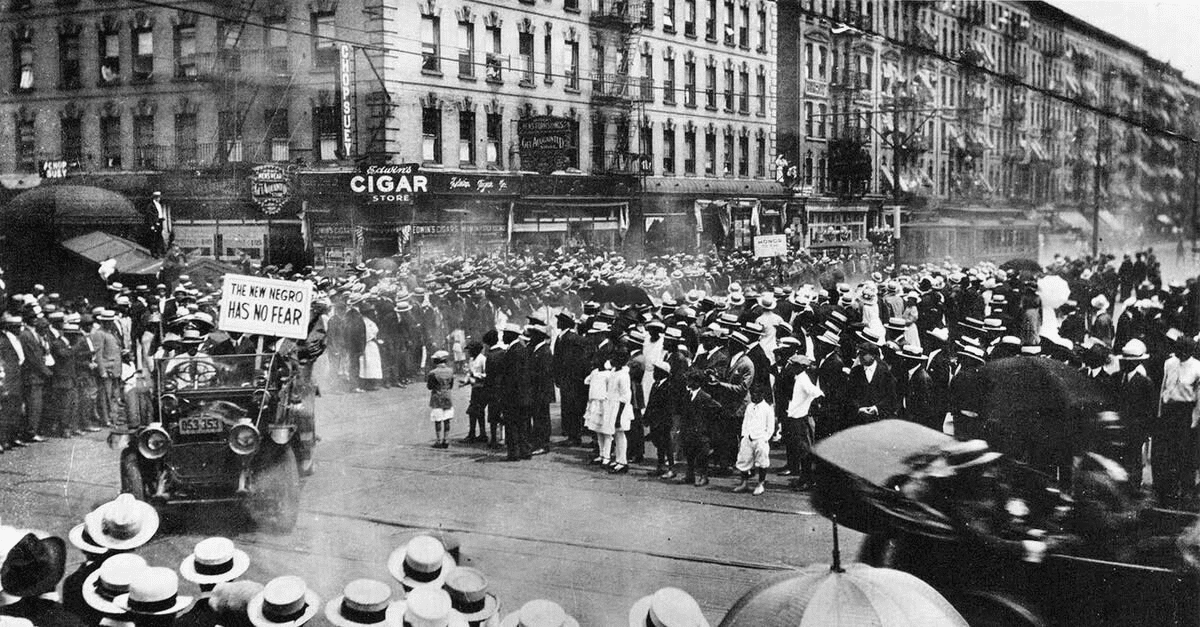
Many people believe that the Harlem Renaissance began in the 1920s. But that’s not exactly true. The Harlem Renaissance has a much older and deeper history. Before the end of the Civil War, the vast majority of the U.S. Black population was enslaved and lived in the South. However, after emancipation, during the Reconstruction era, African Americans sought to actively participate in political life, fight for equal rights, and independently determine their economic and cultural future. In 1871, the Ku Klux Klan Act was passed to protect the rights of Black citizens. This prompted African American congressmen to consider new legislation. By 1875, sixteen African Americans were serving in Congress, using their political platform to advocate for the rights of the Black population. That same year, the Civil Rights Act was passed as part of the Republican Reconstruction program. However, by the late 1870s, white supremacists in the Democratic Party began actively suppressing African American political influence. From 1890 to 1908, they drafted a series of laws that effectively disenfranchised most Black and impoverished white people, leaving them without representation. It was during this period that the Jim Crow laws were introduced, which legalized racial segregation and ensured the political dominance of Southern Democrats. Former slave owners and Confederate sympathizers banded together to strip Black people of their civil rights. They resorted to violence, including lynchings, and created a system of forced labor, compelling many African Americans to work for virtually no pay. Prisoners in this system suffered brutal conditions and diseases, leading to high mortality rates. Although some Black people managed to buy land after the war, the majority remained dependent on agriculture, working as sharecroppers. An additional factor that accelerated the migration of African Americans was the arrival of the boll weevil, which caused severe damage to Southern agriculture, forcing thousands of people to seek new opportunities in the North. The Harlem Renaissance was a reflection of generations that had lived through all stages of Reconstruction—from early successes to brutal repression. Many of its leaders were descendants of former slaves whose ancestors had invested in education, allowing the new generation to gain access to knowledge and culture. Most participants in the Harlem revival were part of the Great Migration, leaving the South in search of a better life. They settled in large cities in the Northeast and Midwest, creating African American cultural centers. Harlem became a crossroads not only for migrants from the South but also for people from the Caribbean, blending talents, ideas, and a desire for social change.
Education and the Harlem Renaissance
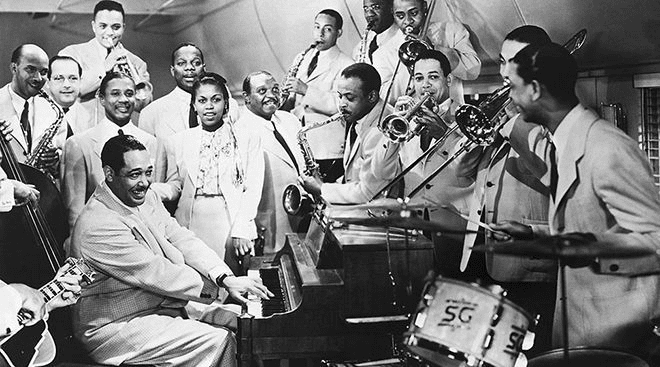
Education was a key component of the Harlem Renaissance. Black scholars and educators sought to challenge the conventional wisdom that marginalized the contributions of African Americans to history, science, and the arts. This led to the development of institutions and programs that prioritized Black heritage and intellectual empowerment. Schools in Harlem began to incorporate African American literature, history, and achievements into their curricula, fostering a sense of pride and identity in students. Institutions such as the Harlem Academy, Wadleigh Secondary School for Girls, and the New York Public Library played a vital role in providing African American students with access to literature, lectures, and community programs that celebrated Black culture and history. During the Harlem Renaissance, schools in Black communities began to integrate cultural elements into their curricula. Literature classes taught the works of African American poets and novelists, and history lessons included discussions of African civilizations, the transatlantic slave trade, and Black resistance movements. This shift was aimed at counteracting the erasure of Black achievements in mainstream education and instilling a sense of empowerment in students. Music and art also became an integral part of education. Jazz and blues were the defining sounds of the Harlem Renaissance. What’s more, they were introduced into music programs, allowing students to creatively engage with their cultural heritage. Schools hosted poetry readings, theatrical performances, and art exhibitions that celebrated Black self-expression and storytelling.
The Harlem Renaissance High School of New York
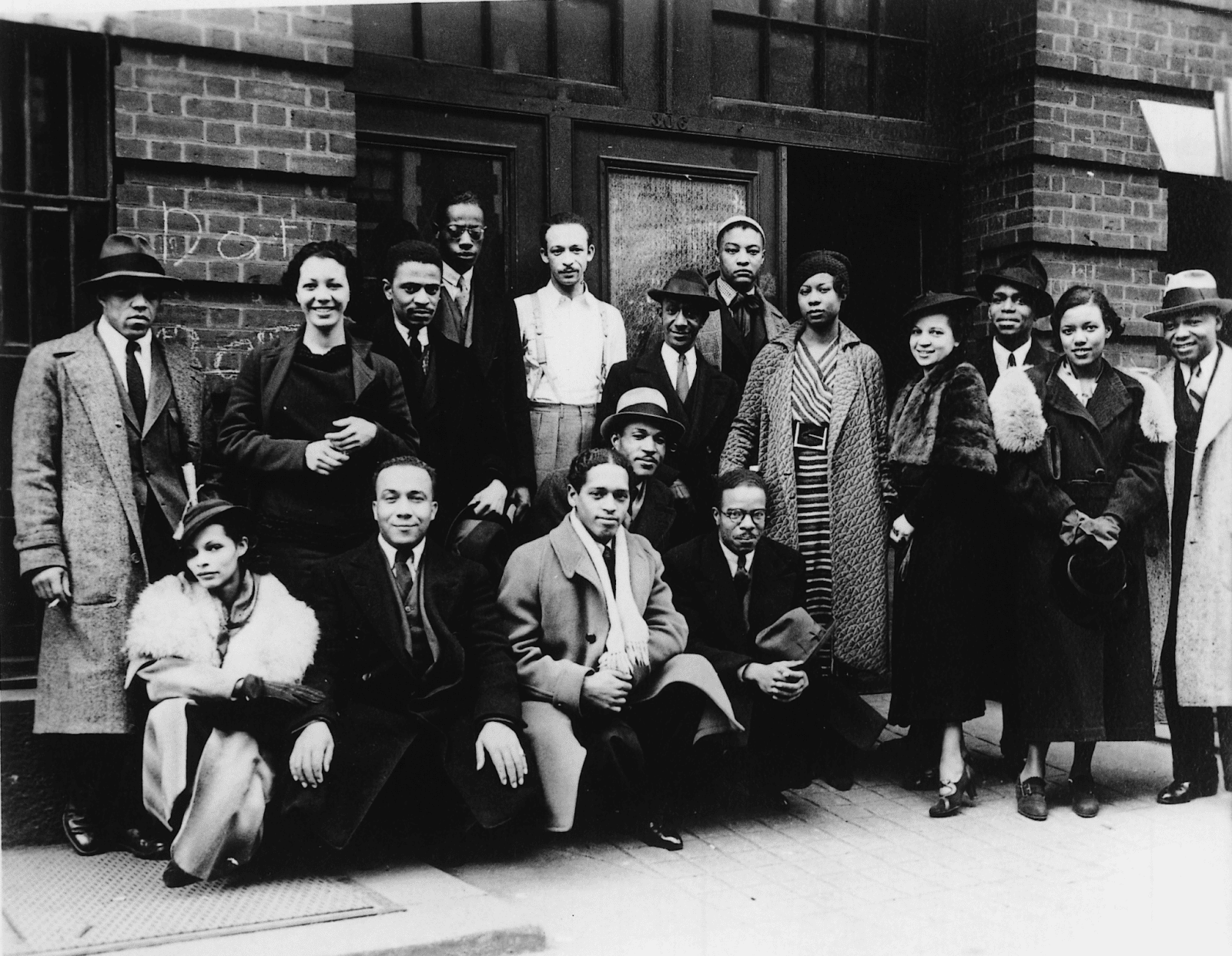
Although this struggle continued into the 20th century, the Harlem Renaissance continues to have an impact even in the 21st century. While society is not as rigid toward African Americans and their culture, the Harlem Renaissance continues to flourish in the city’s educational institutions. This is especially true at the Harlem Renaissance High School. It’s an educational institution where teachers help students unlock their potential, get back on track with their studies, and move toward new opportunities. Here, special attention is given to ensuring that the learning process is not just theoretical but has practical application. Students acquire knowledge through real-life situations, gaining useful skills and the power of choice that leads them to a successful future. The school’s program is aimed at expanding students’ career and educational prospects, providing them with access to diverse opportunities. The development of leadership skills and youth initiatives is a key part of the curriculum: students not only participate in decision-making but also actively develop their leadership abilities, feeling that their voice matters. And of course, the history of the Harlem Renaissance is an integral part of the curriculum. The Harlem Renaissance High School’s mission is to support teenagers and young adults whose education has been jeopardized by personal, academic, or financial difficulties that prevent them from succeeding in school. While it was once rare, in the 2020s, many schools across the United States now include African American literature, history, and art in their lesson plans, recognizing the importance of representation in education.
Sources: