

New York is a global business hub, a center of commerce and innovation that attracts leading companies, talented professionals, and investors from all over the world. The city is known for its financial power and is also a cultural and educational center, with world-class universities, museums, and an arts scene that create a unique atmosphere where business and creativity go hand in hand. Learn more at newyork1.one.
One of New York’s most unique business properties is Trump Tower, a shimmering glass and bronze skyscraper that has become a powerful symbol of Donald Trump’s real estate empire. This building was more than just a new addition to the city’s business landscape—it was the project that made Trump a major player in the world of luxury real estate. The story of Trump Tower is a tale of ambition that played a key role in shaping Donald Trump’s reputation as a businessman.
How the Trump Tower Project Made Donald Trump a Household Name
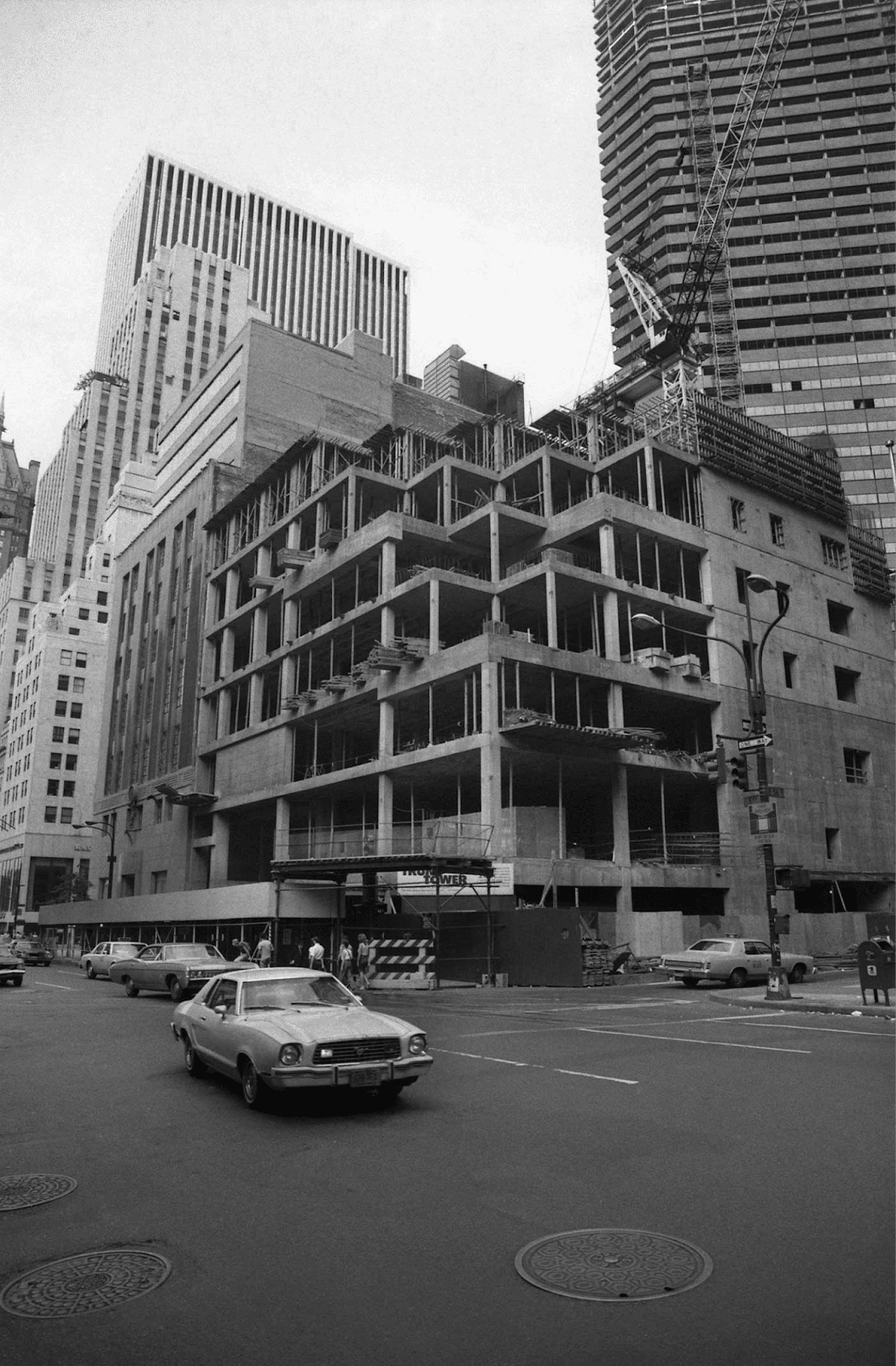
Everyone knows Donald Trump as the 45th and 47th President of the United States, but he also worked in television and gained fame through his real estate business. His story as a businessman began in the late 1970s, when he was in his early 30s and a relatively unknown figure in the NYC real estate market. Although he had already found success working with his father, Fred Trump, on building middle-income housing in Brooklyn and Queens, he was always aiming for something bigger.
Trump had strong ambitions and a vision for grand projects. To bring one of them to life, he found the perfect spot in Manhattan: the Bonwit Teller department store building on Fifth Avenue, near 57th Street. This location, already home to prestigious names like Tiffany & Co., was a symbol of wealth and status.
Trump’s plan was to replace the old department store with a modern skyscraper that would become a beacon of luxury, attracting the global elite. He envisioned the new project not just as a place to live or work, but as a brand that would reflect his pursuit of greatness and embody an elite lifestyle.
Building Trump Tower and the Challenges Along the Way
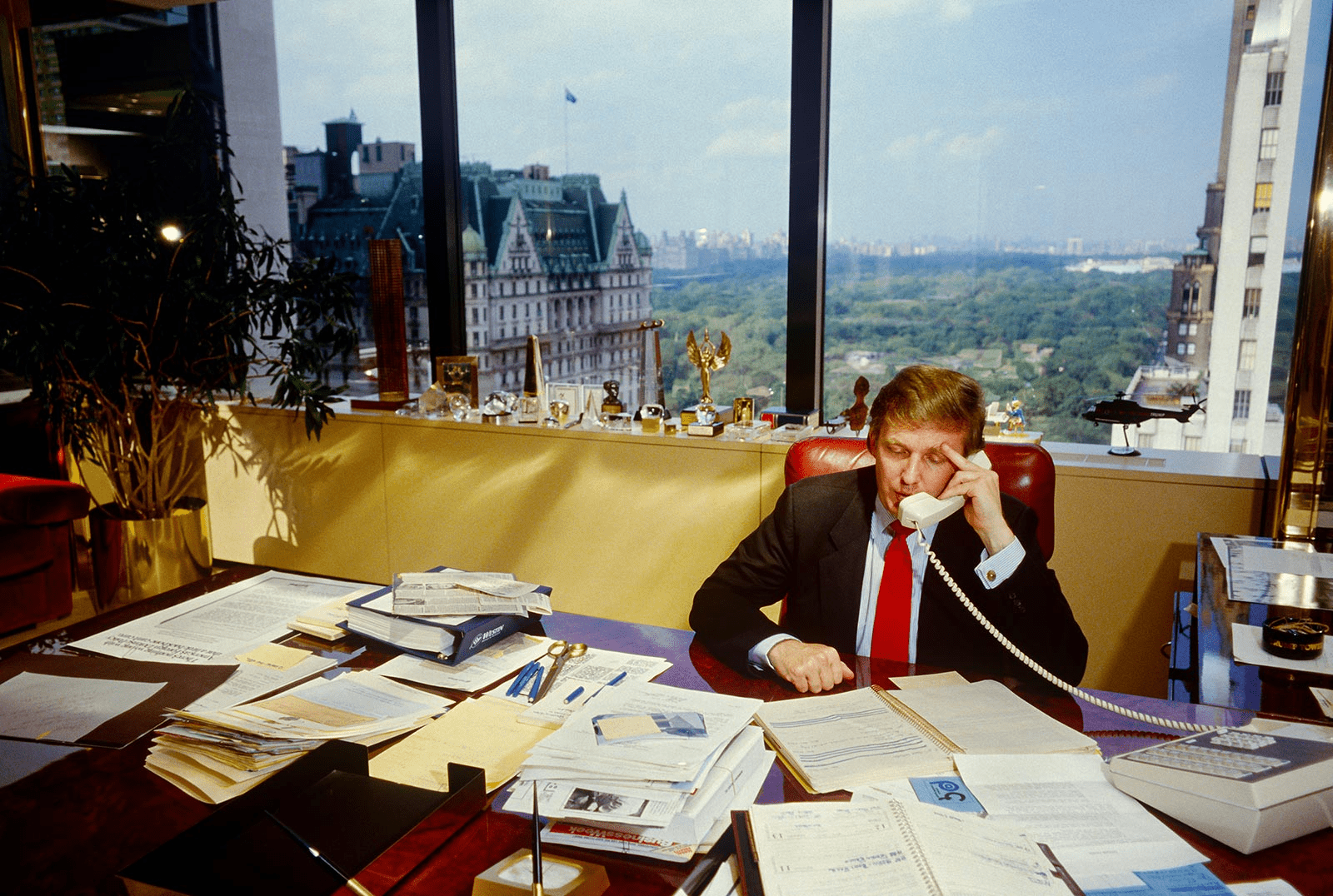
Construction on the tower began in 1979, and its grand opening took place in stages from February to November 1983, including the atrium, residential and office spaces, and shops. In the beginning, there weren’t many takers for the commercial spaces, while residential apartments sold out quite quickly after opening. Following Donald Trump’s presidential campaign in 2016 and his election, visits to the tower significantly increased. However, for security reasons, the area around the building was under heightened protection for several years.
The 58-story Trump Tower was designed by the architectural firm of Der Scutt with Swanke Hayden Connell Architects. Standing at 664 feet (202 meters) tall, it was developed by Donald Trump. The top floor is officially listed as “68” because, according to Trump, the 5-story public atrium is the height of ten regular floors. However, Bloomberg LP journalists later discovered that these calculations didn’t account for the building’s higher ceilings, as well as the absence of floors numbered 6 through 13. Some experts have estimated that the tower has only 48 floors in actual use. As of 2021, the building’s official owner is GMAC Commercial Mortgage, according to the NYC Department of City Planning.
But the construction of such a grand project was not without its problems. To turn his ambitious plans into reality, Trump had to overcome a number of hurdles, from securing financing to negotiating with various stakeholders.
The acquisition of the Bonwit Teller property was the first obstacle. Trump negotiated with the owners, the Genesco department store chain, to buy the building. The deal was complex, but Trump’s persistence and his ability to close deals played a vital role. On top of that, he faced issues with banks. They were skeptical of his project because it was so risky. To secure financing, Trump used his powers of persuasion and his father’s reputation to convince lenders that the project would be a success. In the end, he got the construction loan he needed.
And the construction process itself wasn’t without controversy. Trump was repeatedly criticized for the decision to demolish the historic Bonwit Teller building, which included the removal of valuable Art Deco sculptures.
Trump Tower’s Impact on His Career
When Trump Tower opened its doors in 1983, it instantly catapulted Trump into the spotlight as a real estate mogul. The building became an embodiment of wealth and prestige, attracting celebrities, business tycoons, and elite buyers from around the world. The success of the Trump Tower project marked the beginning of the “Trump” brand as we know it today. The tower wasn’t just a building; it was a symbol of Donald Trump’s persona—bold, ambitious, and unapologetically luxurious. This branding became a central aspect of Trump’s future ventures, from real estate to television and even politics.
The income generated from Trump Tower allowed Trump to expand his real estate empire, funding projects like Trump Plaza and the Trump International Hotel and Tower, among others. For Donald Trump, Trump Tower was a defining moment in his career. The building transformed him from a young developer into a nationally recognized magnate and, of course, laid the groundwork for a career that eventually led him to the White House.