

Times Square is one of the most famous and vibrant places not just in New York City, but around the world. It’s an incredible hub of culture, entertainment, and commerce. However, before it became the iconic landmark we know today, Times Square went through a long and dramatic transformation—from a small market to the world’s most famous intersection. Beneath the modern-day glow of neon billboards lies a rich history that mirrors the growth of New York itself. Learn more at newyork1.one.
Early History of Times Square
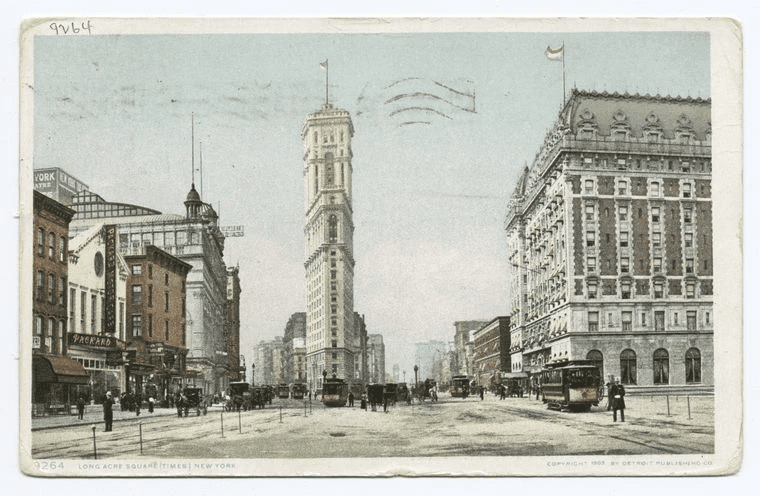
When Dutch colonists first began settling Manhattan Island, three small streams converged near what is now 10th Avenue and 40th Street. They formed a stream called “Great Kill.” Eventually, the Great Kill settlement grew into a hub for carriage manufacturing, while the uplands to the south and east became known as Longacre.
During the American Revolution, this land belonged to General John Morin Scott, who served under George Washington. His mansion was located near what is now 43rd Street and was surrounded by farms and pastures. In the first half of the 19th century, this area became part of John Jacob Astor’s real estate empire. Astor profited immensely by selling plots for hotels and other buildings as the district and the city grew.
By 1872, the area had become a key center for New York’s equine industry. It was named Longacre Square, after the district in London famous for horse and carriage trading. The American Horse Exchange, run by William Henry Vanderbilt, was located here and was later converted into the Winter Garden Theatre.
As commercial activity and industrialization pushed residential buildings, theaters, and other establishments north from Lower Manhattan, they landed in the Longacre Square area, which earned the nickname “Thieves’ Lair” due to its shady reputation.
The first theater to open on the legendary square was the “Olympia,” built by Oscar Hammerstein I, a cigar factory owner and entrepreneur. By the early 1890s, this once-sparsely populated stretch of Broadway had become a vibrant urban center, illuminated by electric lights and bustling with theatergoers, restaurant diners, and café patrons.
From Longacre Square to Times Square
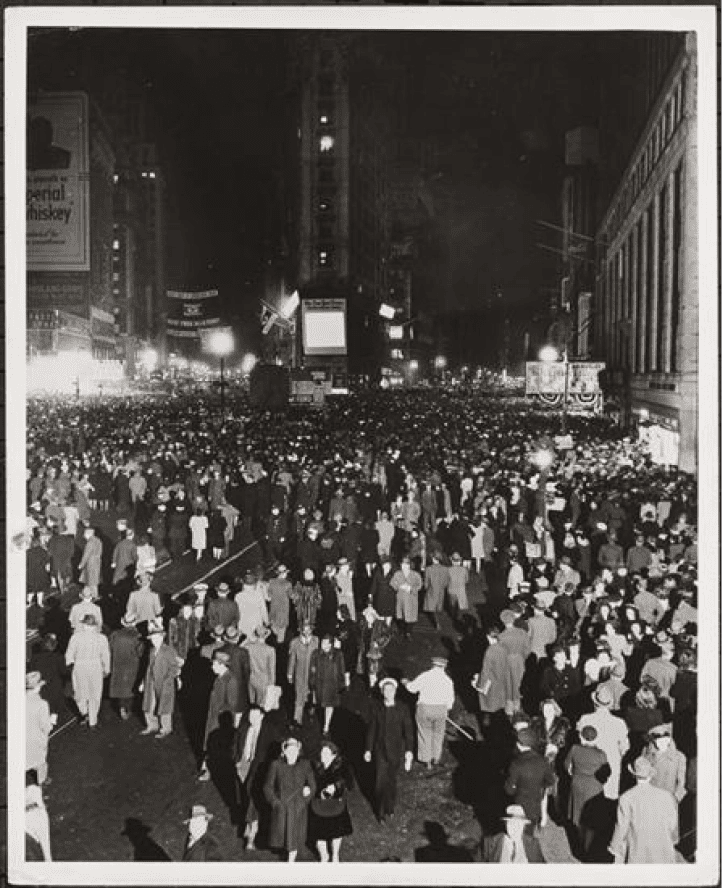
The 20th century was a new era for Longacre Square. This period saw its massive transformation into Times Square, the world’s most famous hub for culture and entertainment.
It all began in 1904 when newspaper publisher Adolph S. Ochs moved the New York Times’ headquarters into a new skyscraper at 42nd Street in the Longacre Square area. At Ochs’s request, Mayor George B. McClellan Jr. arranged for the construction of a subway station there. The first subway line in New York City connected Longacre Square to other parts of Manhattan, turning it into a major transit hub. In the same year, the square was officially renamed Times Square. Another game-changing moment occurred in 1904 with the arrival of the first electrified advertising billboard.
Later, the northern part of the square became known as Duffy Square, and the former American Horse Exchange was converted into the Winter Garden Theatre in 1911.
In 1913, the New York Times moved to a new building a block to the west, and the old building was sold in 1961. It was later renamed the Allied Chemical Building and is now known as One Times Square—famous for the annual New Year’s Eve ball drop.
After World War I, Times Square developed rapidly. The area became a cultural center filled with theaters, concert halls, and prestigious hotels. Advertising activity also surged during the 1920s. Within a decade, advertising investment grew from $25 million to $85 million. For example, the monthly rent for the giant Wrigley Spearmint Gum electric sign, which was considered one of the largest in the world, was $9,000.
As Times Square’s popularity grew, so did gambling and prostitution in the area.
With the onset of the Great Depression in the 1930s, Times Square lost its former appeal. Many residents moved to more affordable neighborhoods, and some popular theaters closed, replaced by saloons, brothels, burlesque shows, vaudeville stages, and cheap movie theaters. The area eventually became associated with crime and decay. For decades, locals saw it as a run-down, unsafe area.
From the 1960s to the 1990s, Times Square fell into a state of disrepair. In 1960, the New York Times newspaper called the stretch of 42nd Street between Seventh and Eighth Avenues “the worst block in the city.” The situation only worsened in the 1970s and 80s when crime rates in NYC skyrocketed. By the mid-1980s, the area between 40th and 50th Streets and Seventh and Ninth Avenues recorded over 15,000 crime complaints annually, with 20% of them being felonies.
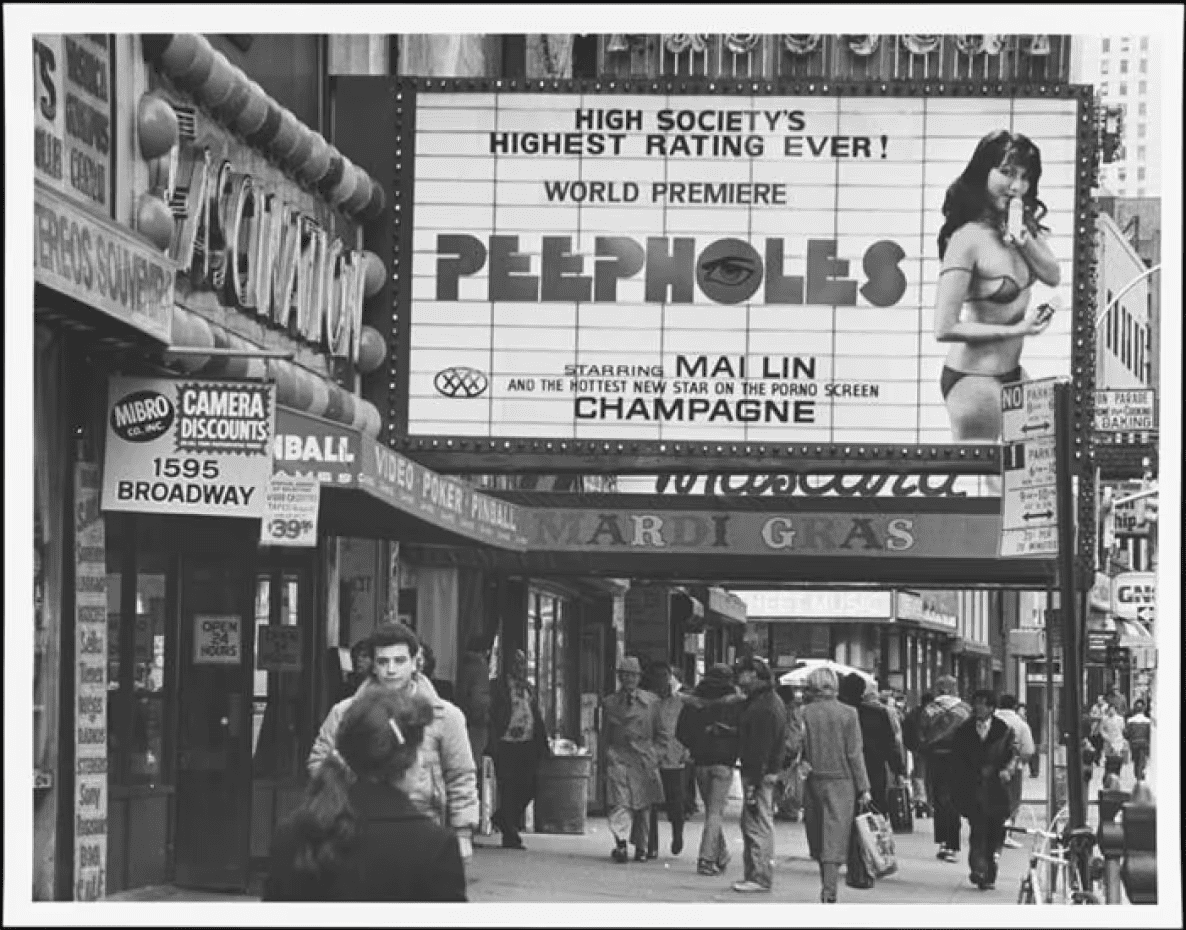
The area also became known as a center for prostitution. Former movie theaters started showing X-rated films, and peep shows were common. By 1984, the neighborhood had declined so much that all its real estate generated only $6 million in tax revenue for the city—equivalent to about $17.6 million in 2023.
This decline couldn’t last forever, and the city government decided to turn the situation around at the end of the 20th century. A large-scale redevelopment project began, which included the reconstruction of 42nd Street and the revitalization of Times Square. New buildings and cultural venues appeared, and the square lit up with new neon billboards. The late 20th century breathed new life into Times Square, transforming it into a vibrant and safe neighborhood.
Times Square in the 21st Century
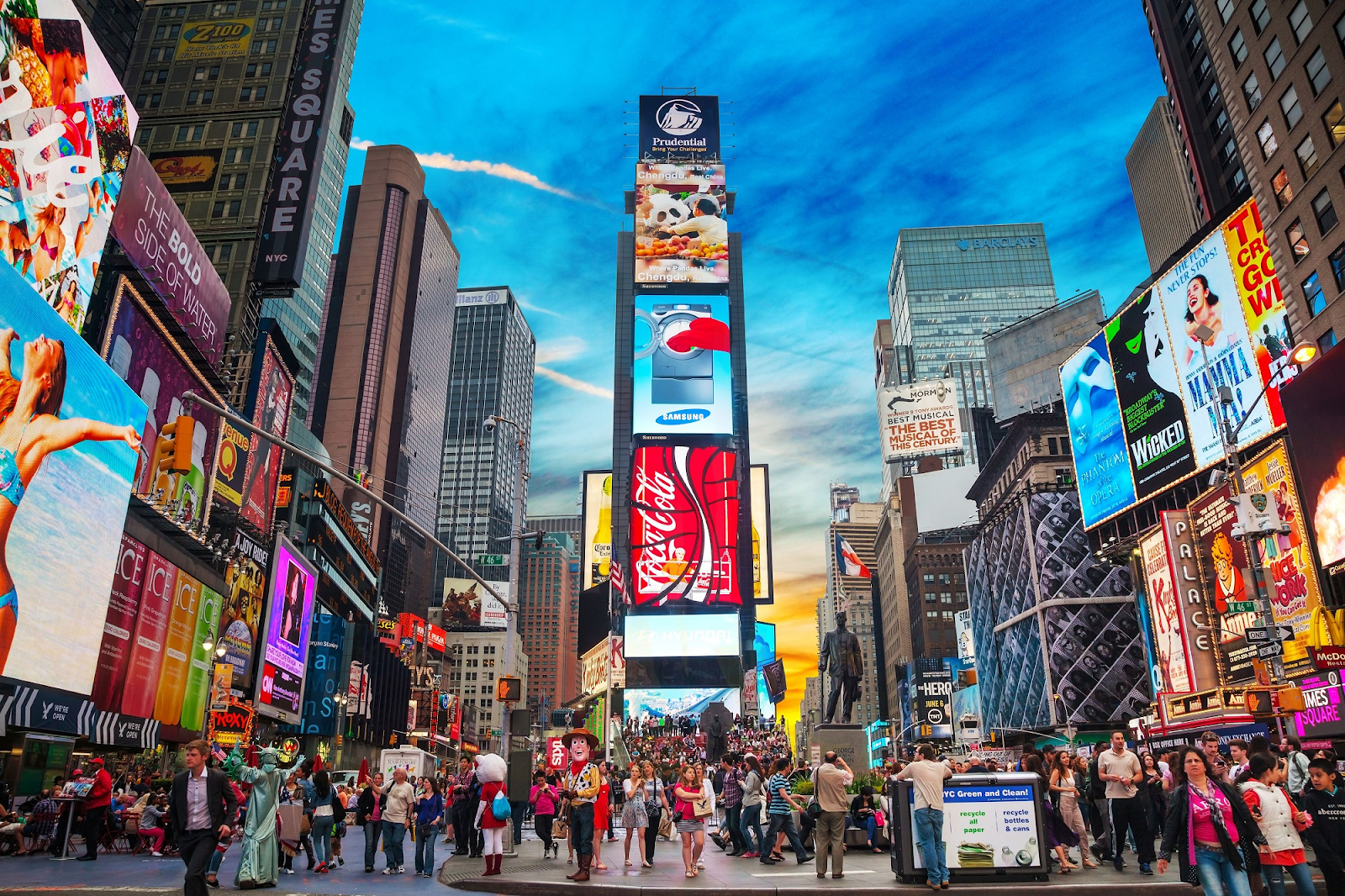
One of the most significant changes to Times Square in the 21st century was its shift toward a more pedestrian-friendly environment. In 2009, the city implemented a project to close parts of Broadway to traffic, creating public plazas in the heart of the district. This allowed residents and tourists to relax amidst the urban bustle. Safety improved, and congestion was reduced—all thanks to the creation of a new type of urban space where people could enjoy the vibrant atmosphere without dodging cars and taxis.
There’s something else Times Square is famous for in the 21st century: its lights. The dazzling digital billboards are now arguably the defining feature of Times Square. The digital revolution replaced traditional signs with massive LED screens that have taken over the entire square.
In the 21st century, Times Square continues to welcome millions of tourists, host the traditional New Year’s Eve ball drop, and serve as the headquarters for dozens of major corporations. It’s often said that if you haven’t been to Times Square, you haven’t really been to New York.