

The old marble tables have been replaced by new production lines, but the spirit of the workshop remains the same. Li-Lac has survived hurricanes, rent crises, and pandemics. It has grown from one tiny shop to six locations across New York City. The sweet success story of this unique New York chocolate is right ahead on newyork1.one.
How a Small Workshop Became a New York Legend
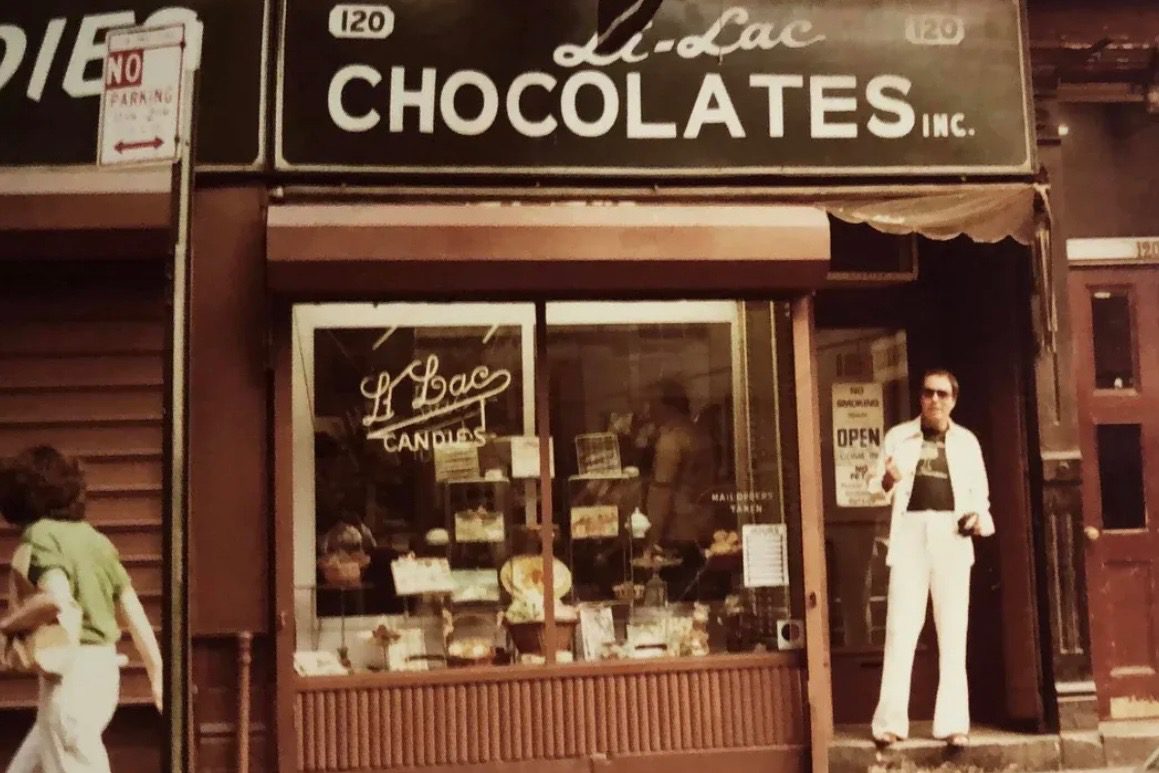
This workshop began with one man and his French recipes. In 1923, George Demetrious—a Greek man who mastered the craft of chocolate-making in France—opened his first store on Christopher Street. He worked slowly, meticulously, like someone who truly believes in his craft. His marble tables gleamed from polishing, copper kettles boiled with fragrant mass, and every single piece of candy was created by hand.
In Greenwich Village, home to poets, actors, and dreamers, such dedication to flavor quickly won over an appreciative audience. When Demetrious passed away in 1972, the workshop didn’t vanish. He handed it over to his most loyal assistant, Marguerite Watt—a woman with a keen eye and a gentle love for detail. She protected the old recipes and feared above all that someone might one day simplify the process or abandon the traditions.
When the time came for Marguerite to retire, she passed the business to a man she trusted: Edward Bond, a gentleman from Mississippi who had visited the shop for years, not just for the sweets but also for the warm conversation. Ed kept the tradition alive. He expanded the selection, introduced new recipes, and began using the chocolate molds that would later become Li-Lac’s signature. But he didn’t change the main thing—the philosophy of manual craftsmanship.
In 1981, Edward was joined by his sister, Martha. For her, the world of chocolate was love at first sight. She quickly adopted the old master’s techniques and even created the famous Raspberry Truffle, which won an award in 1996. When Ed died in 1990, Martha took over the management. She did not allow the brand to lose either its flavor or its character. On the contrary—she opened new horizons. In 1999, Li-Lac appeared in Grand Central Terminal, amidst the hustle and bustle of the world’s largest train station.
2005 was a painful moment. The rent at the historic location rose so much that the shop had to move. Leaving Christopher Street felt like saying goodbye to an era. Yet, the business endured.
In 2009, Martha decided to return to Mississippi to be with her grandchildren. But her dedication transformed Li-Lac into a true chocolate legend that the Wall Street Journal called “stubbornly old-fashioned”—and all the more valuable for it.
The Three Musketeers of Li-Lac
When Li-Lac Chocolates entered its ninth decade in 2011, the company was on the verge of change. Old New York was rapidly being rebuilt, rent was soaring, and the city’s pace was accelerating. It seemed that small artisan workshops were doomed to become just a memory. But then, three men appeared who believed that traditions could not only be preserved but also multiplied.
Anthony Cirone, Christopher Taylor, and Anwar Hodeh—all three, in different ways and at different times, fell in love with the brand. Cirone, a West Village resident, had been buying candies here after work since the 90s. Taylor, a financier, saw Li-Lac not just as a business but as a living legend that needed protection. And Hodeh’s journey was the longest. In the late 1980s, Anwar was studying computers. One day, his cousin suddenly said:
“Listen, Li-Lac needs help. Want to pick up a side job?”
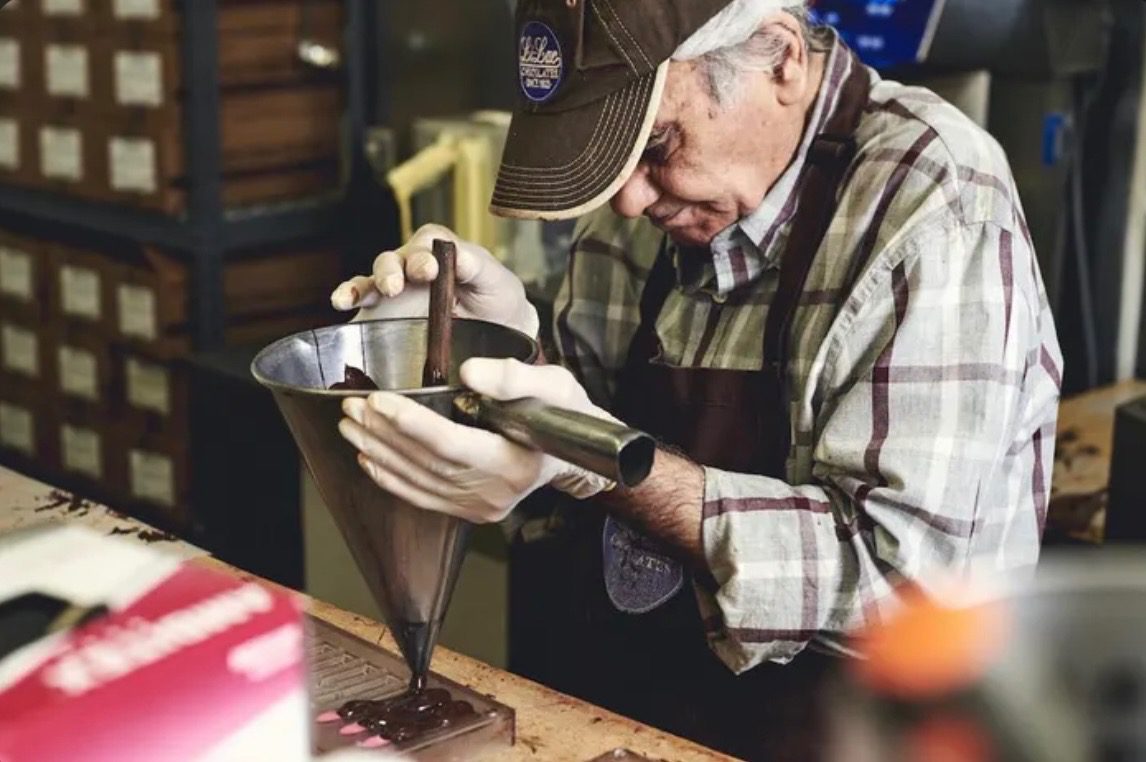
Anwar had no experience with chocolate, but he fell in love from day one. His hands were tired, the techniques strained his fingers, and the recipes demanded patience. But something in that narrow space with old molds and copper kettles held him tighter than any logic. A year later, Anwar was already managing the processes. Ten years later, he became the heart of the production. Thirty-five years later, he still comes to the factory to mold, unload, temper, and lead a team of 25 people.
When the new owners took over the company, they expanded Li-Lac: they opened new stores, brought the brand to new markets, and doubled the production scale.
But most of all, they dreamed of returning to where it all began.
“The West Village is our soul,” says Taylor. “We will always be there. No matter how successful Grand Central or Chelsea Market are, no place compares to Greenwich.”
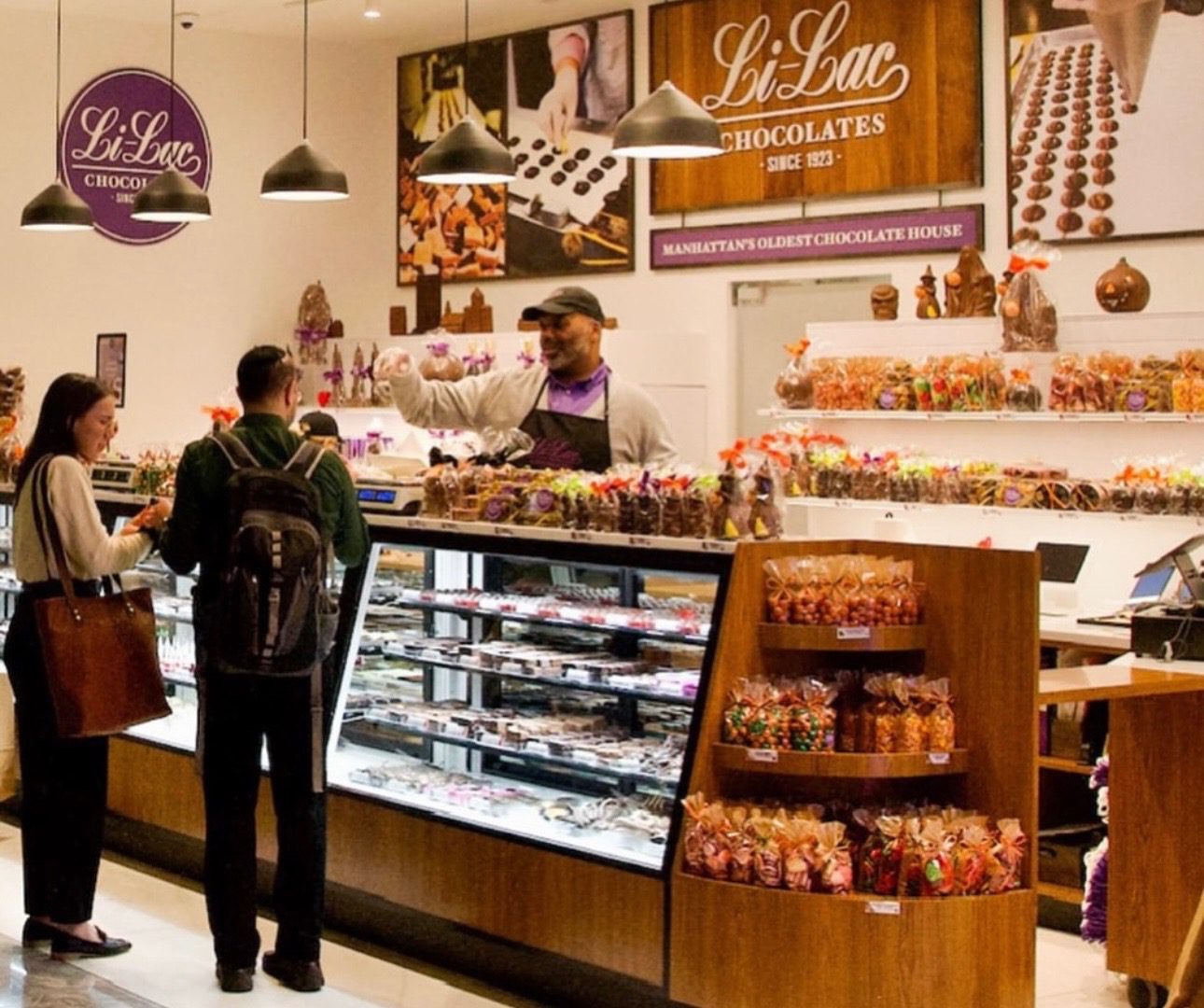
Li-Lac lived in the West Village for 80 years. Children running home from school remembered it here. Adults cried here when the old store had to close in 2005.
So, the return to 75 Greenwich Avenue was almost a pilgrimage. At the grand opening in 2019, prices were rolled back to 1923—23 cents per piece. People lined up, as if stepping back into their own childhood.
In 2012, Hodeh and Cirone proposed an idea that seemed profit-destroying—gift boxes and beautiful packaging, requiring a $40,000 investment. Taylor was shocked but agreed.
And something incredible happened: the boxes were released just before Christmas, and sales exploded.
“I realized,” Taylor later said, “that when you’re in the chocolate business, you’re actually in the gift business.”
From that moment, Li-Lac stopped being just a candy shop. It became a New York gifting tradition.
During the toughest years of the pandemic, the company was saved by its online store and the support of landlords, and Taylor later helped financially recapitalize the business.
Li-Lac went through the storms—and survived.
When Christopher Taylor was asked about the secret to Li-Lac’s resilience, he answered simply:
“It’s the story of three people. Demetrious—the founder. Ed Bond—the one who gave it a fresh breath. And Anwar Hodeh—the man who carried the company to its 100th anniversary.”
Art in Every Piece
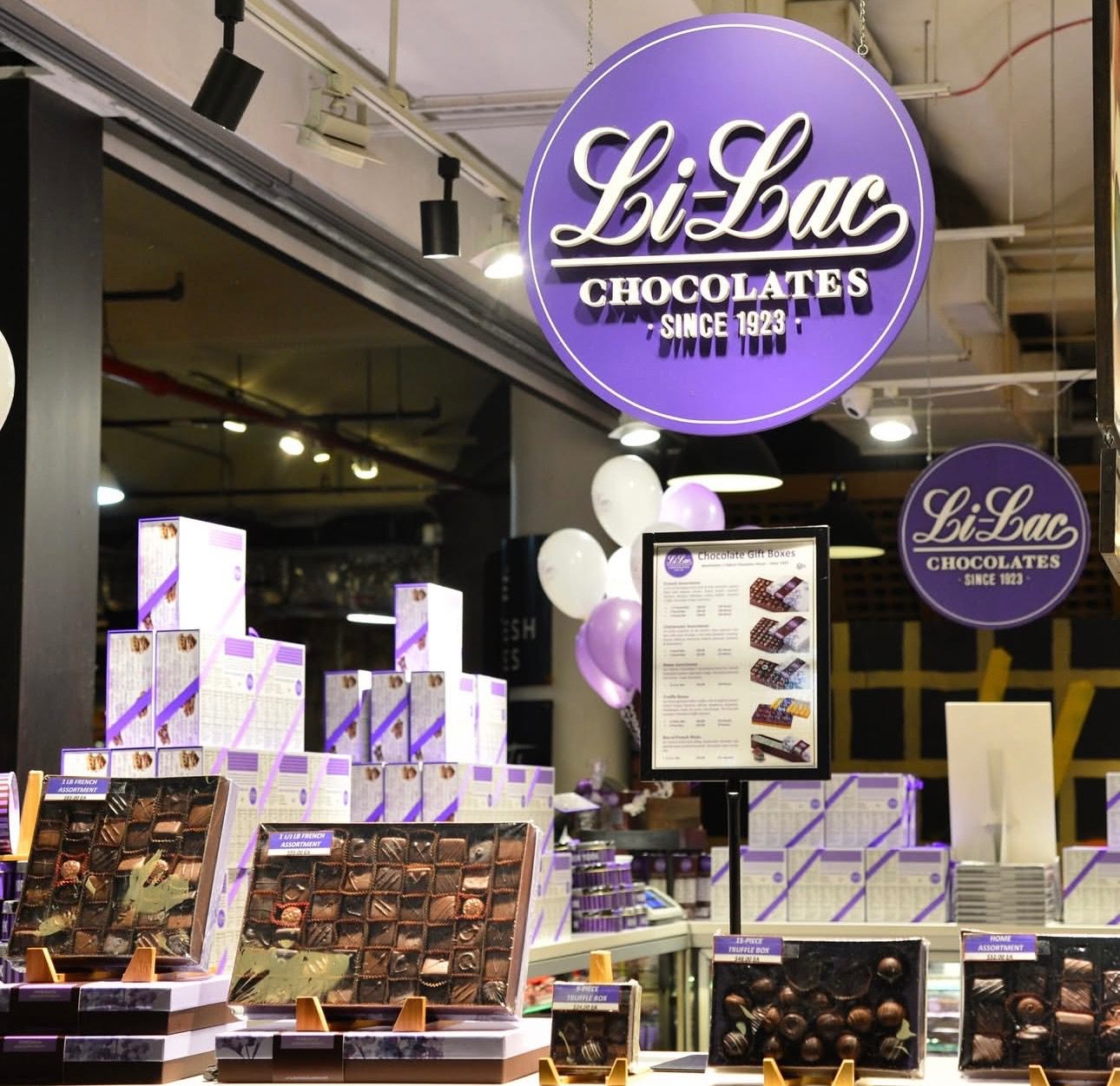
Li-Lac Chocolates is a place where chocolate has a voice, character, and even a memory. The assortment has grown to over 120 items, but the philosophy remains unchanged: chocolate must be fresh, authentic, and uncompromising.
Antique molds, vintage prints, and the same glaze shine that only old-school masters know.
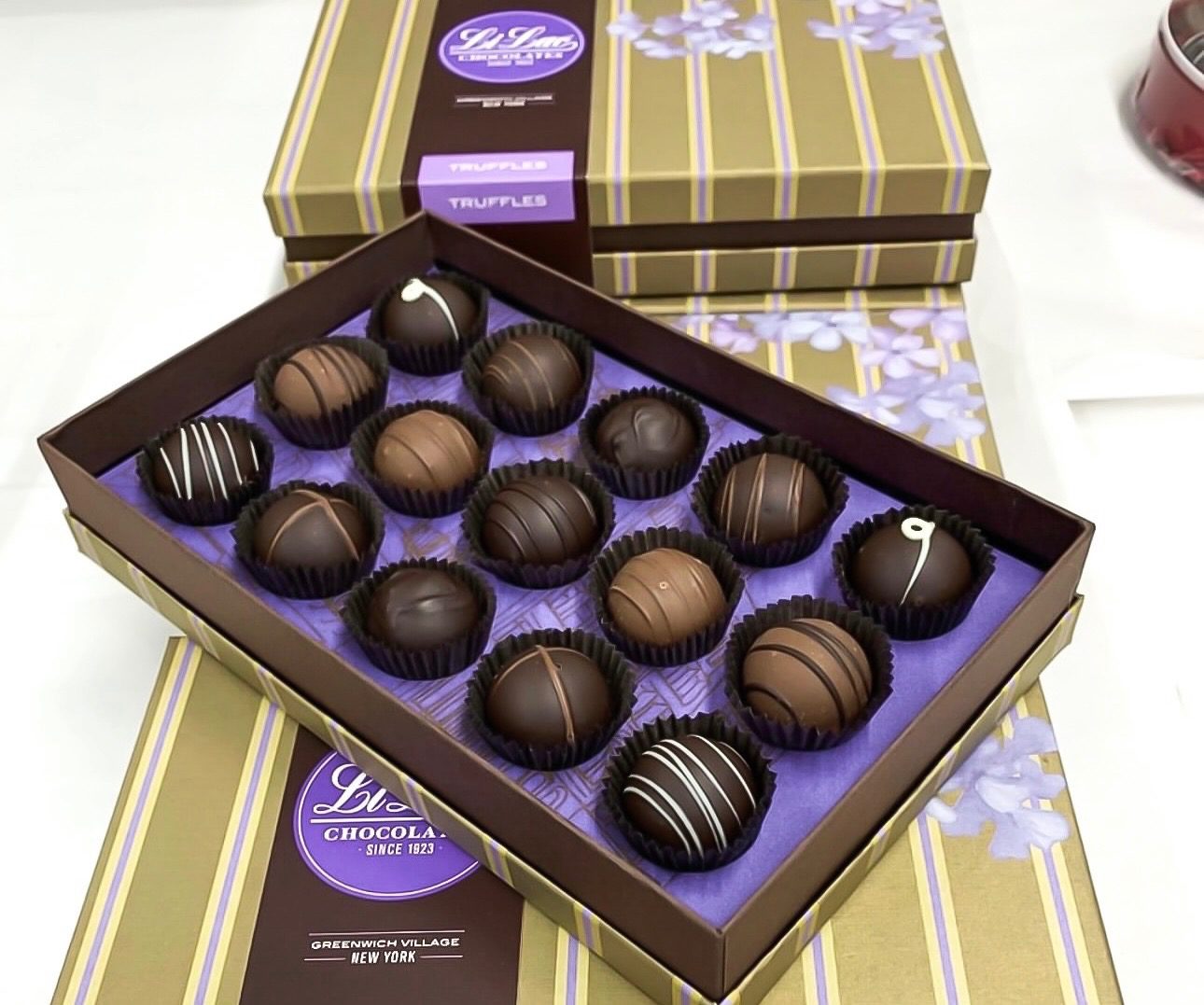
Among the original items is the legendary Almond Bark: crunchy, warm almonds under a layer of white, milk, dark, or sugar-free chocolate. Li-Lac produces dozens of sweets—from caramel squares to raspberry creams, from citrus zest candies to the iconic peanut butter cups. There’s even a peanut butter and jelly cup—a chocolate ode to the “American childhood sandwich.”
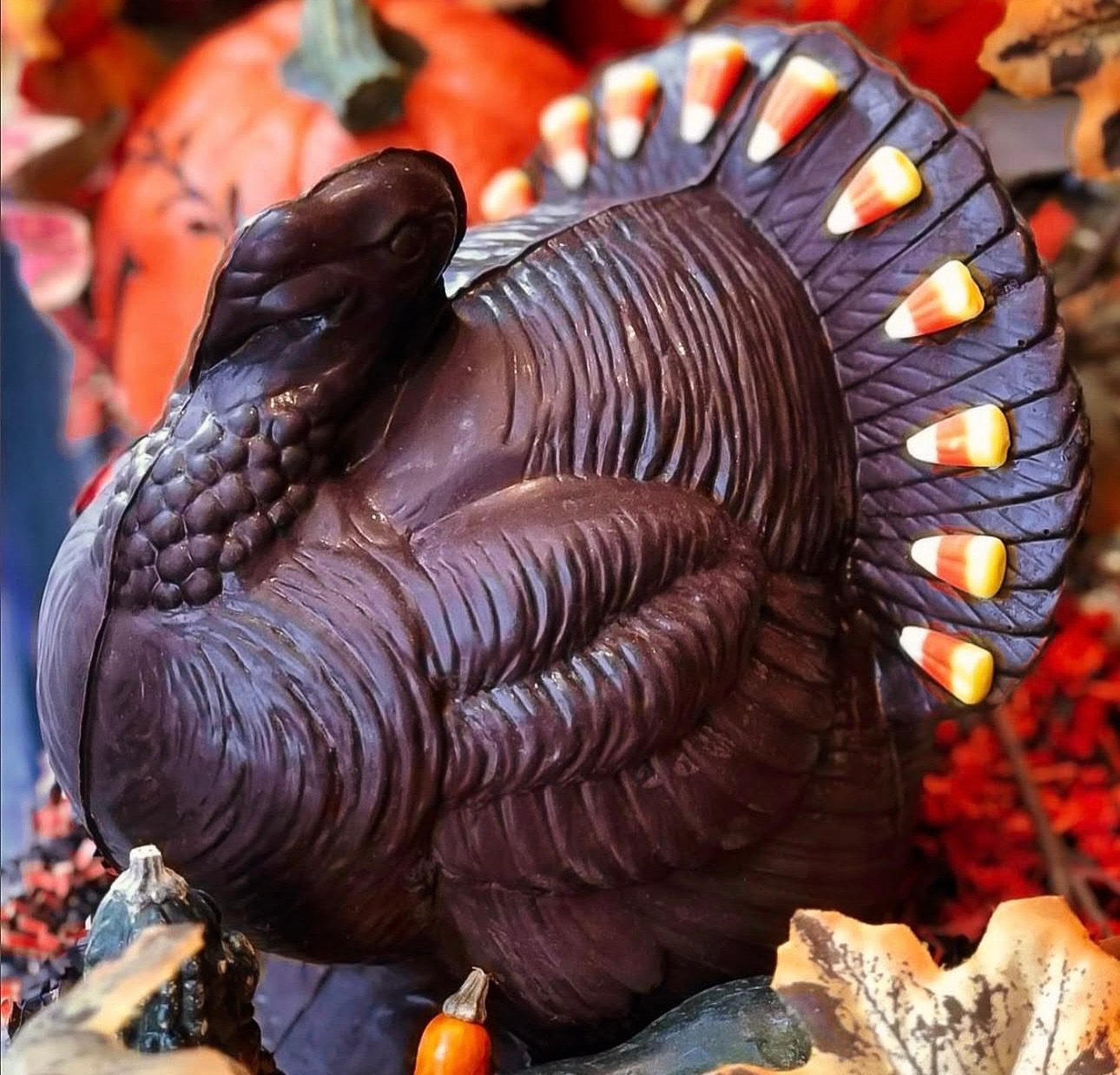
Amaretto, French cream, coffee, caramel—all the flavors are exquisite and rich. At Li-Lac, chocolate is easily transformed into bears, musical instruments, bunnies, hearts, animals, and retro cars. And in season, you can even find a 17-inch chocolate turkey. These are sweets that are not just eaten—they are admired.
The Sweet Empire’s Centennial
In the West Village, the store looks like it has always belonged there—on cozy Greenwich Avenue or bustling Bleecker Street. Another location is right in the heart of the city, amidst the clamor of Grand Central Terminal. Li-Lac is also in the basement of Chelsea Market, where the scent of chocolate mixes with the aromas of dozens of world cuisines, and in the bright, modern Hudson Yards.
But the most interesting part is across the river. Industry City in Brooklyn is home to the true Chocolate Lab. Through large glass windows, you can see the movement of conveyor belts, the gleam of copper machines, and a shimmering river of chocolate. Here, you can watch truffles and bars being born, as chocolatiers work with their hands as precisely as if they were playing a musical instrument.
Guests peer through the glass, sample warm pieces, and some leave with a full bag of sweets without even waiting to exit the factory.
When Li-Lac celebrated its 100th anniversary in 2023, Industry City turned into a site of sweet theater. Guests were invited not just to watch—but to create. They put on hairnets like professional artisans, fed the filling into the machine that smoothly dispensed the chocolate, and then caught their candies in bags at the other end of the belt.
It felt as though every guest, for a few minutes, became part of the legend—as if returning to 1923, when Demetrious’ first candies came off the small table in the workshop.
While attendees tasted fresh candies from trays, workers in the background continued to cook new batches—the chocolate doesn’t take breaks, even for a centennial.
The celebration also included a formal tribute. The Brooklyn Chamber of Commerce presented a commemorative plaque to Anwar Hodeh—the man who came to work at Li-Lac in 1989 and gradually became the master chocolatier, partner, and soul of the production.
Li-Lac is a craft that breathes, lives, celebrates, and seems ready for another hundred years of sweet history.