

Leonard Lauder, who passed away in June 2025 at the age of 92, transformed the “Estée Lauder” company he inherited from his parents into one of the world’s largest cosmetics manufacturers, accumulating billions in wealth. In 2025, his fortune was estimated at $9.7 billion. Beyond his business acumen, Lauder was also a renowned art collector and philanthropist. Read on to learn more about his remarkable life and achievements on newyork1.one.
Early Life and Career
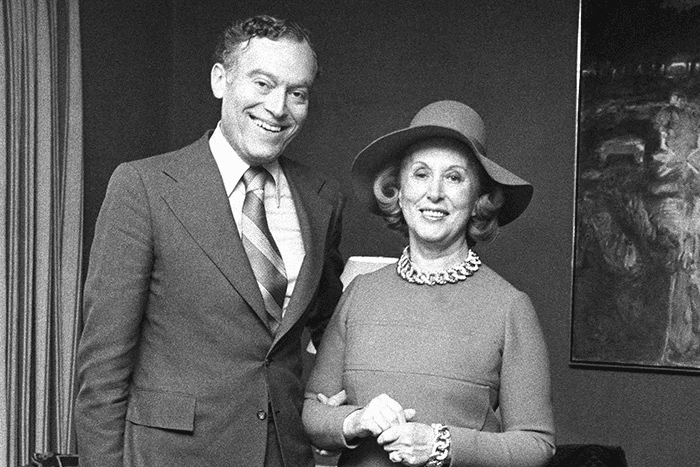
Leonard Alan Lauder was born on March 19, 1933, in New York City. His parents were Joseph and Estée Lauder, and he had a younger brother, Ronald. His mother, Estée, was the founder of the “Estée Lauder” beauty empire. She introduced many innovations to the cosmetics industry and prioritized high-quality products, laying the groundwork for Leonard’s later expansion of the company.
Leonard Lauder attended the Wharton School at the University of Pennsylvania. He also graduated from Columbia University’s Graduate School of Business and served in the U.S. Navy.
In 1958, Leonard began working at his parents’ company. At that time, “Estée Lauder” had less than $1 million in sales and a small staff. He set out to expand production and actively grow the company. Over half a century, he successfully transformed “Estée Lauder” into a global leader in the cosmetics market.
The Global Estée Lauder Empire
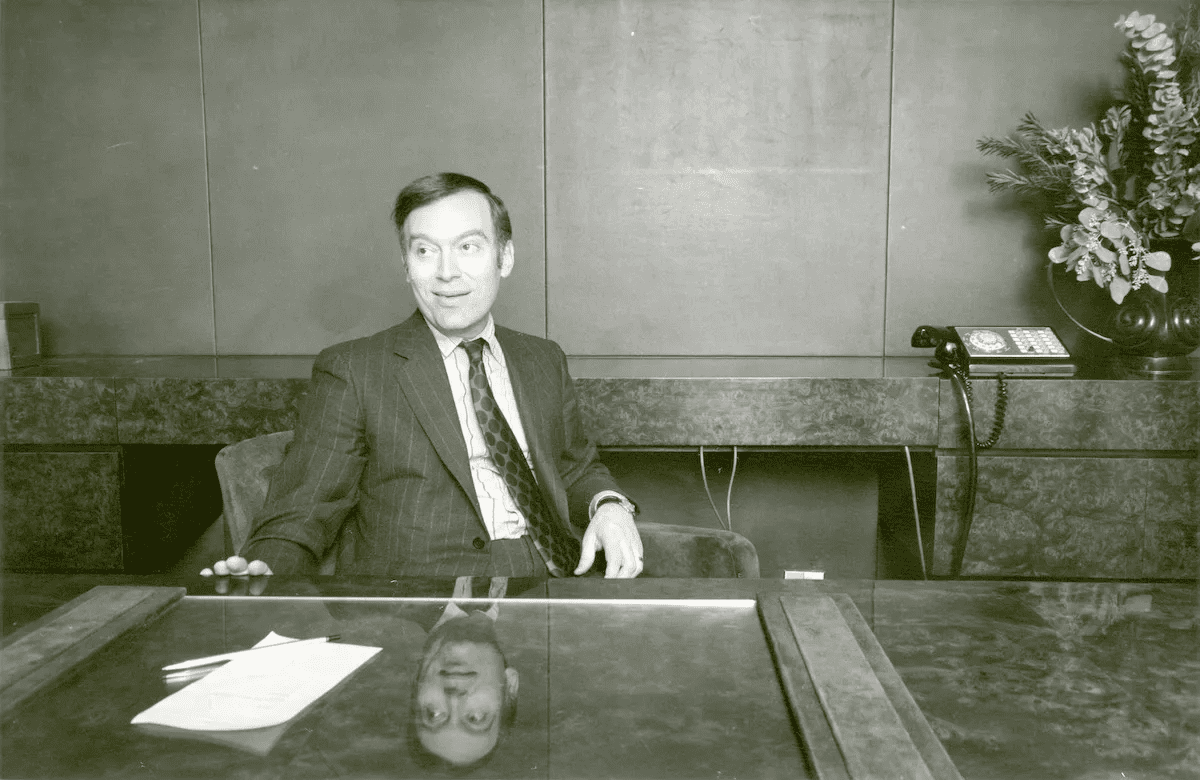
In the 21st century, “Estée Lauder” is a global cosmetics empire, encompassing brands like “Clinique,” “MAC Cosmetics,” “La Mer,” “The Ordinary,” and “Bobbi Brown Cosmetics.“ Leonard Lauder played a pivotal role in achieving this level of success.
In 1972, he became the company’s president. From 1982 to 1999, he served as “Estée Lauder’s” CEO. In 1995, he was also appointed chairman of the board, a position he held until 2009. During this time, he:
- Initiated the creation of the company’s research and development laboratory in the mid-1990s.
- Developed and implemented the strategy of acquiring popular brands to expand the company’s portfolio.
- Led “Estée Lauder” to its initial public offering on the New York Stock Exchange in 1995, which significantly increased the company’s market capitalization.
Leonard Lauder adhered to his mother’s philosophy that business is built on developing and maintaining strong relationships with customers. Making people feel important was the Lauder family’s professional approach.
In its early development, the “Estée Lauder” corporation didn’t rely on advertising. Instead, management opted for a strategy of offering generous complimentary product samples. If customers liked the samples, they would return to purchase the products again and again. This became the foundation of the company’s growth.
Leonard Lauder also coined the term “lipstick index.” This idea was prompted by the economic downturn after the September 11, 2001, terrorist attacks. The businessman noticed that cosmetics sales tend to increase during such periods and concluded that women buy small, affordable luxuries when they can’t afford larger purchases. For example, in the fall of 2001, lipstick sales in the U.S. rose by 11%. A similar situation was observed during the Great Depression.
Leonard Lauder: Collector and Philanthropist
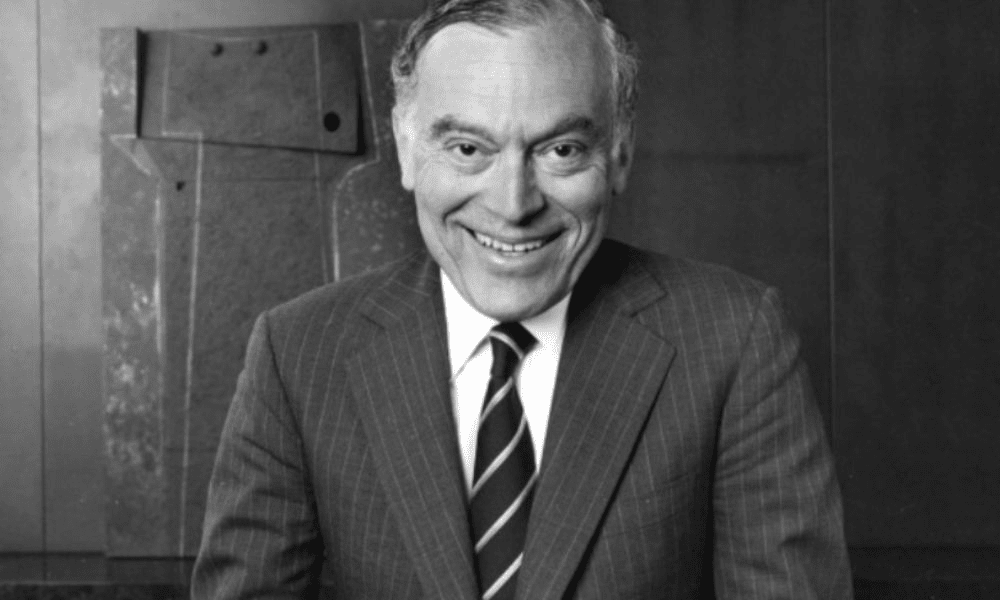
One of Leonard Lauder’s passions was collecting art. He began buying Art Deco postcards as a child. In 2012, an exhibition of 700 postcards opened at the Museum of Fine Arts in Boston. This was part of what Lauder had promised to donate to the museum from his personal collection. By then, he had amassed 120,000 postcards. Lauder also donated his “Oilette” postcard collection to the Newberry Library in Chicago and funded their digitization, completed in 2019.
According to Leonard Lauder, it was postcards that turned him into an avid collector. He adored these small masterpieces, and his wife, Evelyn, jokingly called his enormous collection her husband’s “mistress.”
In his adult life, the businessman became interested in the works of Cubist masters such as Picasso, Léger, Braque, and Gris. He also admired Klimt’s works. Lauder began acquiring their masterpieces as well, buying them from other collectors.
It’s worth noting that the collector amassed artworks not only for his personal enjoyment but also to share them with the public. The Whitney Museum of American Art was one of the beneficiaries of his philanthropic activities. In 1971, he joined the museum’s acquisitions committee, and six years later, he became a trustee. Lauder donated money and artworks to the museum. Furthermore, he actively raised funds for the institution’s needs. In 2008, he contributed $131 million to the museum, which was the largest donation in its history. The Leonard & Evelyn Lauder Foundation sponsored exhibitions at the Whitney Museum. In gratitude, the permanent collection gallery on the museum’s fifth floor is named in their honor.
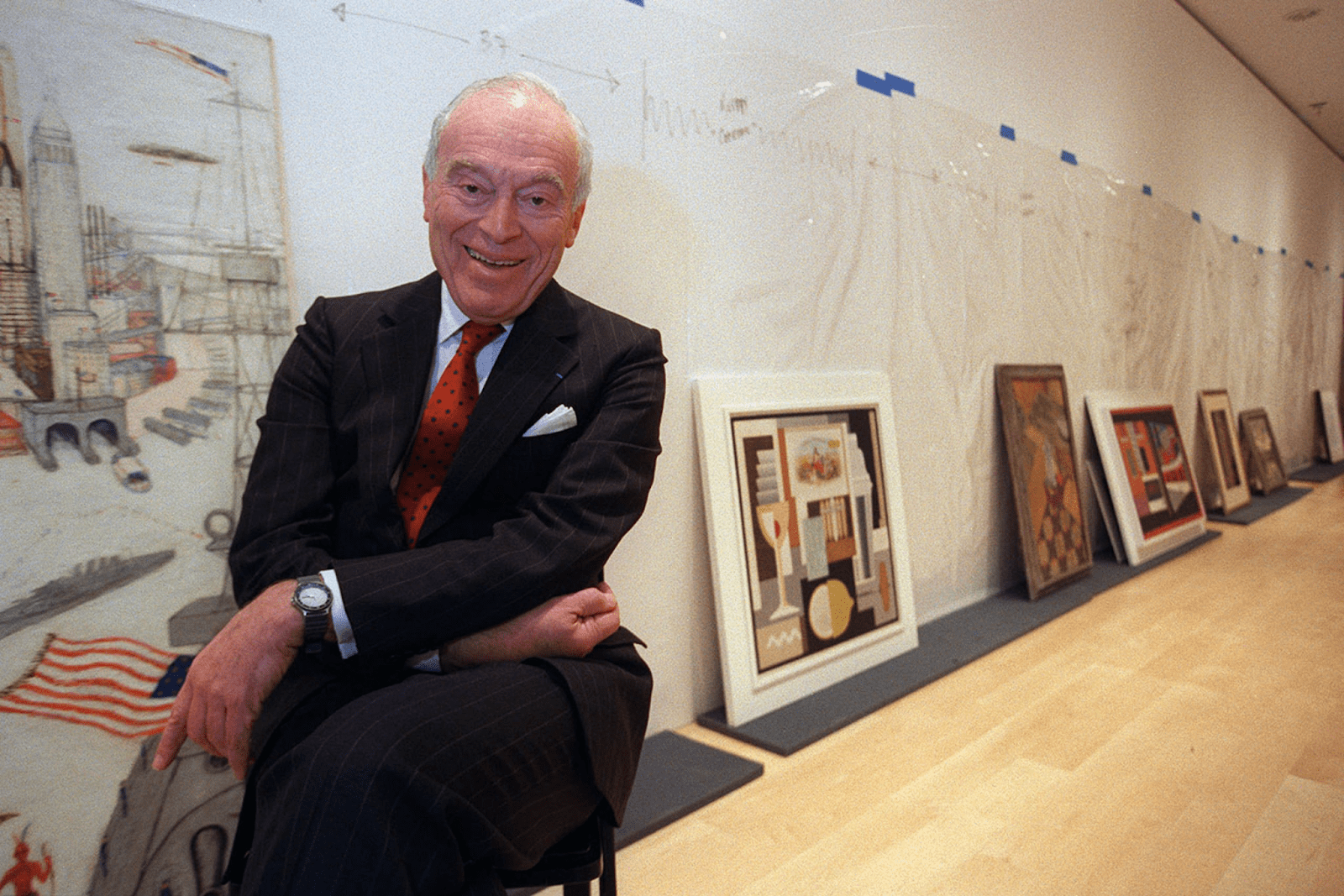
Another of Lauder’s favorite museums was the Metropolitan Museum of Art in New York. The businessman initiated the creation of a research center for modern art there and donated $22 million to the cause. In 2013, Lauder gifted the museum his personal collection of 81 Cubist artworks, including pieces by Pablo Picasso, Georges Braque, Fernand Léger, and Juan Gris. The total value of the paintings exceeded one billion dollars. This was one of the most significant collections ever assembled and donated to a museum by a private individual. The first exhibition of Lauder’s Cubist collection at the Metropolitan Museum was organized in 2014.
Beyond his passion for art and collecting, Leonard Lauder was also interested in medicine and funded many scientific institutions and research in this field, for example:
- He helped establish and chaired the Alzheimer’s Drug Discovery Foundation.
- He was a member of the Council on Foreign Relations, chairman of the Aspen Institute’s International Committee, and a trustee of that institution.
- He was the honorary chairman of the Breast Cancer Research Foundation.
- He served on the President’s Council of Memorial Sloan Kettering Hospital.
Together with his wife, Evelyn, Leonard Lauder participated in the creation of the Breast Cancer Research Center at Memorial Sloan Kettering Cancer Center in New York. They also contributed to the work of the Breast Cancer Research Foundation.
In 2022, the renowned philanthropist donated $125 million to the University of Pennsylvania to develop a free tuition program at the university’s School of Nursing.
Thus, Leonard Lauder used his billions not only for his own needs but also to strive to make the world a little better.
Personal Life and Death of the Businessman
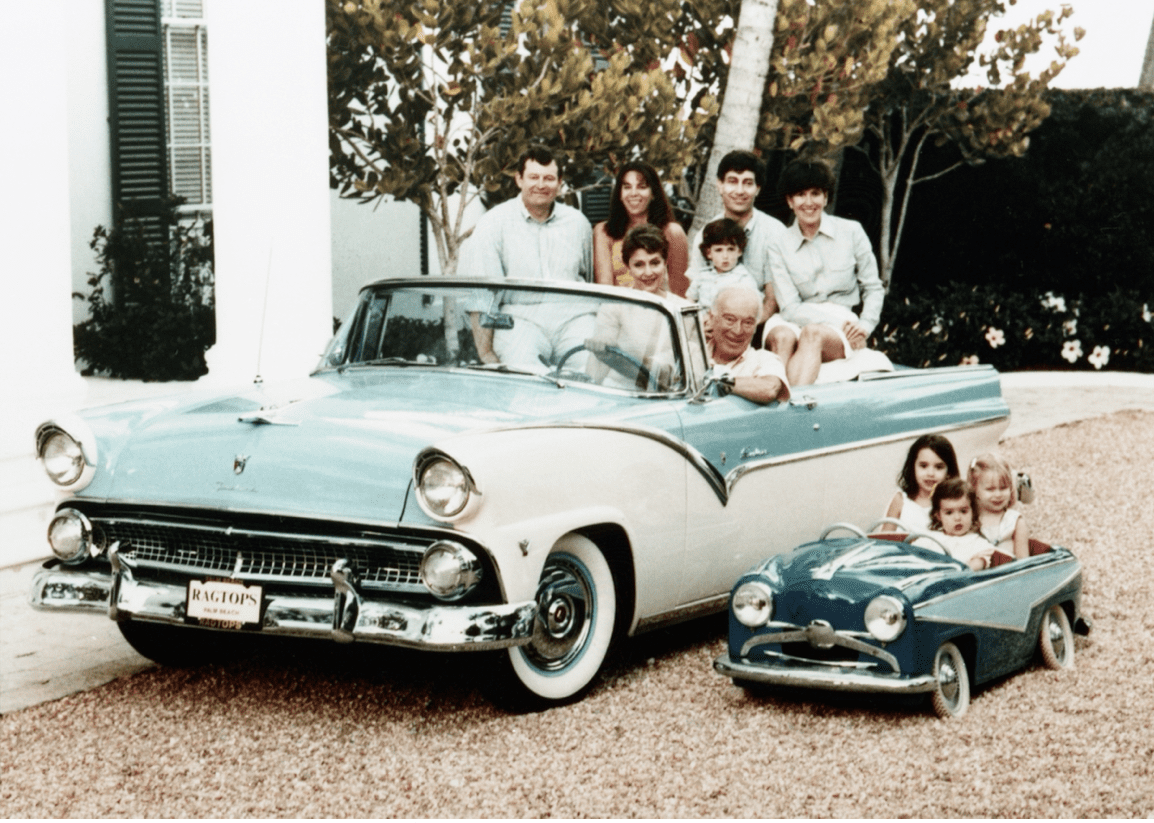
Leonard Lauder’s first wife was Evelyn Hausner, whom he married in 1959. The couple had two sons. William Lauder became the executive chairman of “The Estée Lauder Companies,” and Gary Lauder heads “Lauder Partners LLC.”
Evelyn passed away in 2015 from cancer. Afterward, the businessman married photographer Judy Glickman, who was the widow of one of his friends. This marriage lasted until the renowned businessman’s death on June 14, 2025.
He passed away at his Manhattan home, where he had lived for many years. In 2020, Leonard Lauder’s memoirs were published, offering more insights into his life journey.