

Trinity is known for its high academic standards and is considered one of the best private schools in the U.S. It prepares students for entry into leading colleges and universities, including the Ivy League. Read on newyork1.one for more about this school, where education evolved from a charitable undertaking into a symbol of academic excellence.
300 Years of Trinity School History
The history of this school began in 1709, when lawyer and teacher William Huddleston approached the London-based Society for the Propagation of the Gospel with an unusual request—to provide textbooks and a modest salary of ten pounds to educate the poor children of colonial New York for free. His idea captivated both the clergy and the city authorities. Trinity Church provided space in its belfry and old City Hall, and the London society agreed to fund the school.
Thus was born Trinity School—today the fifth oldest school in the U.S. and the oldest continuously operating one in New York City. In the 18th century, it taught more than just the Bible; students mastered writing, arithmetic, and practical skills. Future blacksmiths, carpenters, sailors, and bookbinders were prepared for life through education.
During the Revolutionary War, the school remained the only one that continued operating even under British occupation. But after the Revolution, it was time for a change; ties with England were severed, and Trinity had to seek new sources of support. Financial aid came from the city and Trinity Church, but by the 19th century, the era of charitable schools was passing.
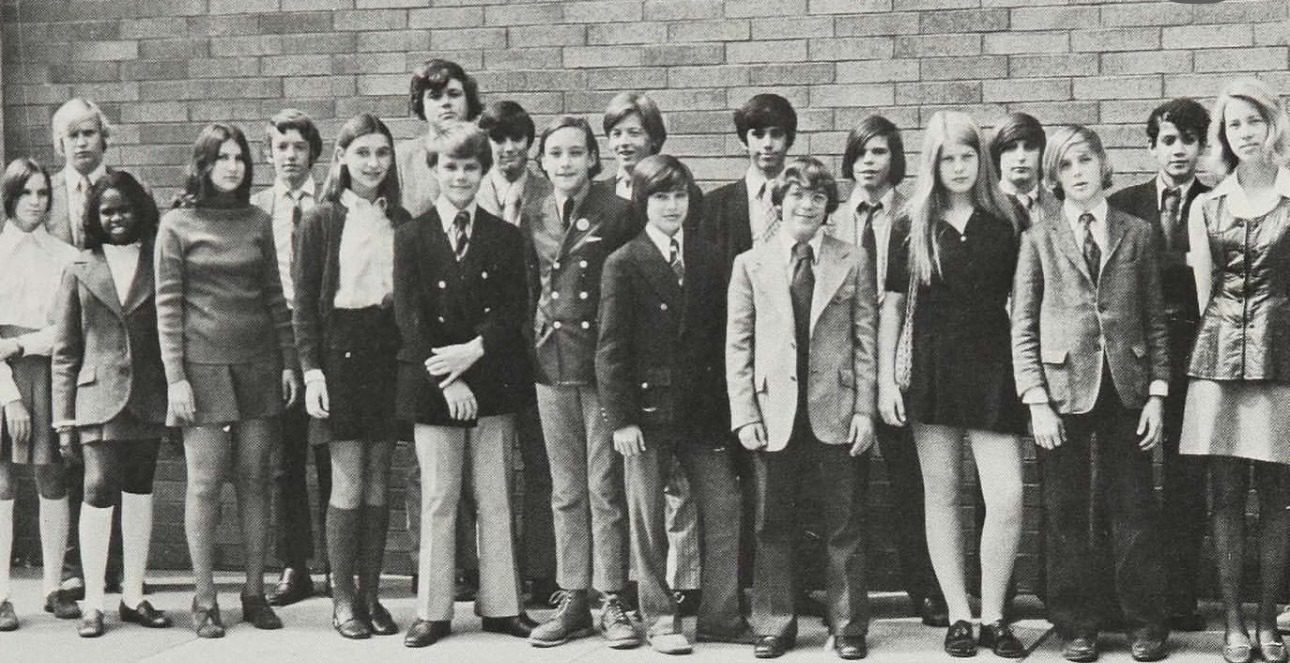
In 1825, the state completely ceased funding religious institutions, and Trinity transformed into a private preparatory school with a new vision and mission.
In the late 19th century, the school moved to a new building on West 91st Street in the prestigious Upper West Side.
Throughout the 20th century, the school continued to evolve. In the 1960s, it introduced co-education for boys and girls, opened the new Hawley wing, and in the 1970s, added an art studio and a theater. By the 1980s, all classes had become co-ed.
In the 1990s, the school conducted a massive capital campaign that raised $20 million, allowing for the construction of a new middle school and gymnasiums. In 2008–2009, Trinity celebrated its 300th anniversary, and a few years later, it opened new laboratories, a theater, and a performing arts center.

Today, Trinity School occupies seven interconnected buildings on West 91st Street—with gyms, two pools, labs, and tennis courts. Although the school no longer has formal ties with Trinity Church, it preserves its spiritual heritage. Every year, graduates gather for a commencement service in the historic church where everything began over three centuries ago.
Classics and Creativity: Education at Trinity School
Trinity accepts children from kindergarten through 12th grade, and the competition is so high that less than 5% of candidates are admitted. The school’s admission process resembles applying to an Ivy Leagueuniversity. Candidates are interviewed (in person or online), submit recommendations from their English and Math teachers and principal, and provide results from standard tests like the ISEE or SSAT. Most spots open for new students in kindergarten and 9th grade; admission at other levels is possible only if space becomes available. Trinity School is divided into three educational levels:
- Lower School (K–4);
- Middle School (5–8);
- Upper School (9–12).
Education at Trinity is a combination of classical rigor and creative thinking. Students are not required to simply apply a formula but are encouraged to explore the essence of ideas, ask questions, and think broadly. Discussions, seminars, and projects replace boring lectures, and small class sizes allow teachers to work with every student individually.
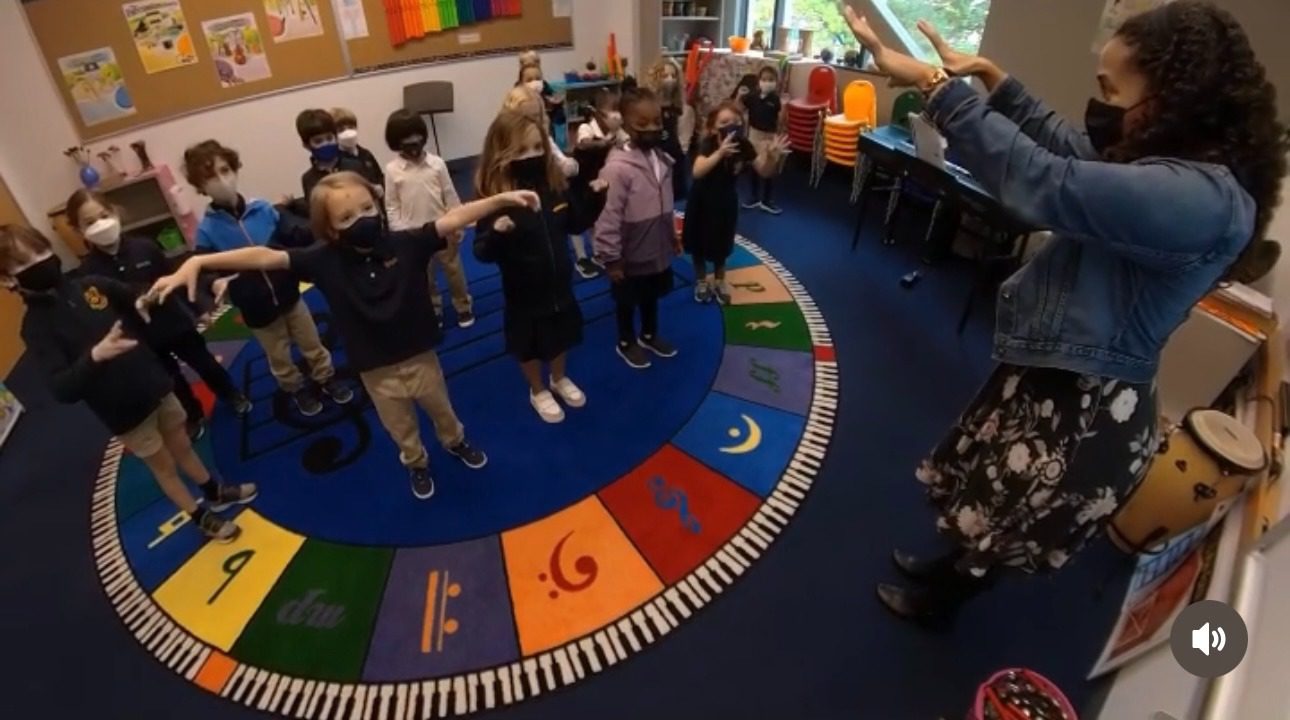
Trinity School offers a wide range of languages—French, Spanish, Mandarin, Latin, and Greek. Nearly 40% of students study classical languages, and over 60% study two foreign languages. In the sciences, students can choose special research programs where they work in labs, master research methodology, and even conduct their own scientific experiments. Elective courses include Astronomy, Forensics, Human Anatomy and Physiology, Engineering, and Computer Science programs. The most capable students participate in individual seminars where they explore complex ideas under a professor’s guidance, from ancient ethics to modern technology.
In the lower school, the curriculum is structured, but upper school students are granted more freedom of choice. The only subjects mandatory for all are English, Math, Lab Science, an Ethics or Philosophy course, and Physical Education.
Trinity believes that education is not just about knowledge, but about a passion for discovery. It shapes students not just into future attendees of top universities but into thinkers, artists, and researchers who know how to ask questions and seek their own answers.
Extracurricular Life and Opportunities at Trinity School
The school occupies seven interconnected buildings in the heart of Manhattan. The Lower, Middle, and Upper Schools have separate sections but are connected, creating the feeling of a single educational space.
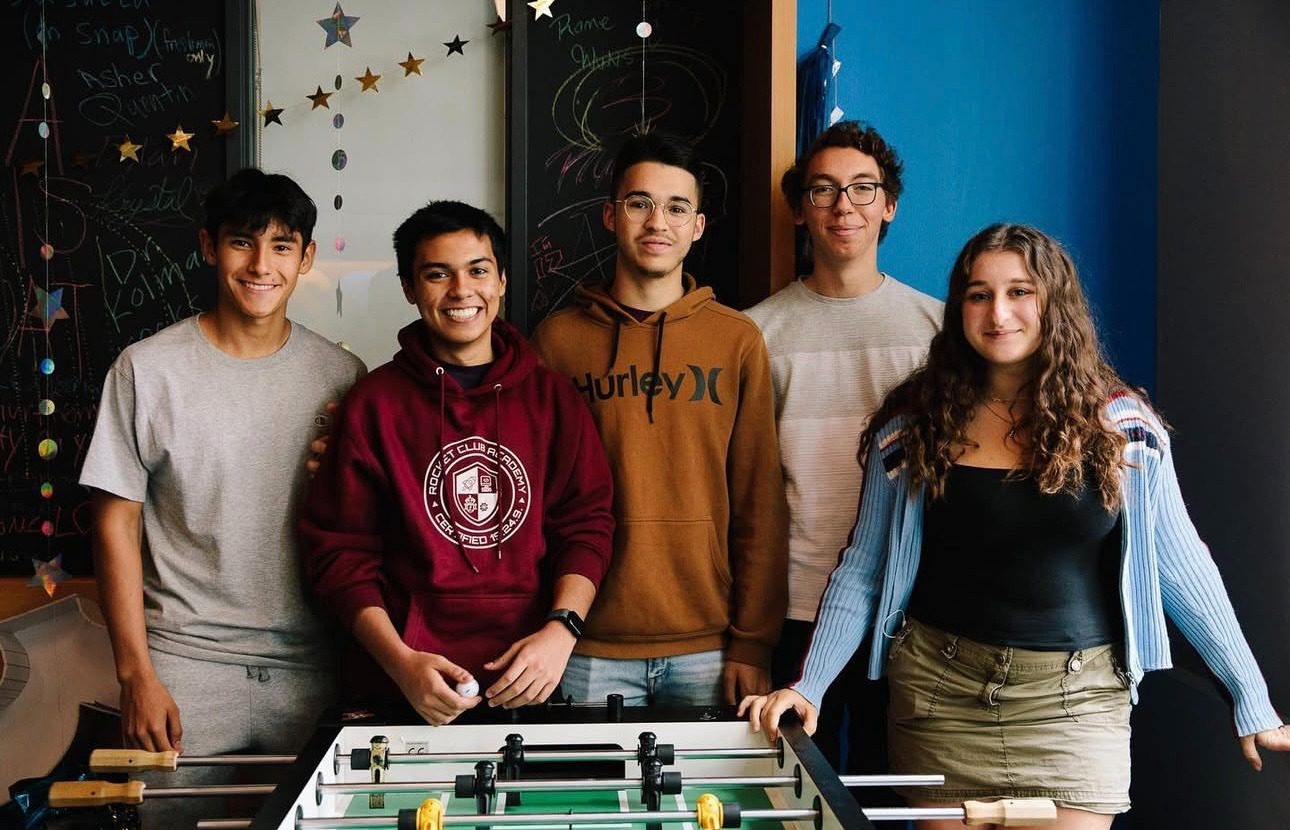
Trinity places great emphasis on developing artistic abilities. The school has a strong music program: jazz ensembles, orchestras, chamber groups, and choirs. Concerts and performances are held throughout the year—at assemblies, in chapels, during school holidays, and evening events. Vibrant productions of works from modern plays to musicals take place annually. The traditional Shakespeare play, produced by the Nicholas Cow Shakespeare Society, holds a special place. Recent productions include Twelfth Night (2021), The Comedy of Errors (2022), The Taming of the Shrew (2023), Macbeth (2024), and As You Like It (2025).
The school’s sports teams consistently compete at the highest level and have repeatedly become league champions. The main sports include baseball, basketball, cross-country, soccer, lacrosse, softball, swimming, track and field, volleyball, and wrestling. To gauge the diversity and richness of Trinity students’ extracurricular programs, one only needs to look at the 2025–2026 offerings:
- Chess Club;
- Animal Research (Practical Course);
- Wilderness Survival;
- Golf;
- Martial Arts;
- Ceramics with Lori Swift;
- LEGO Robotics;
- Super Soccer Stars;
- Musical Theatre: The Little Mermaid;
- KICKS Running Club (for various age groups);
- Culinary Explorers: “Cool as a Cucumber!”;
- Amazing Art with Mrs. Birdie;
- Girls’ Chess Club;
- “Draw Your Heart Out”—A Creative Marking Course;
- “Kid Boss”—Starting Your Own Business.
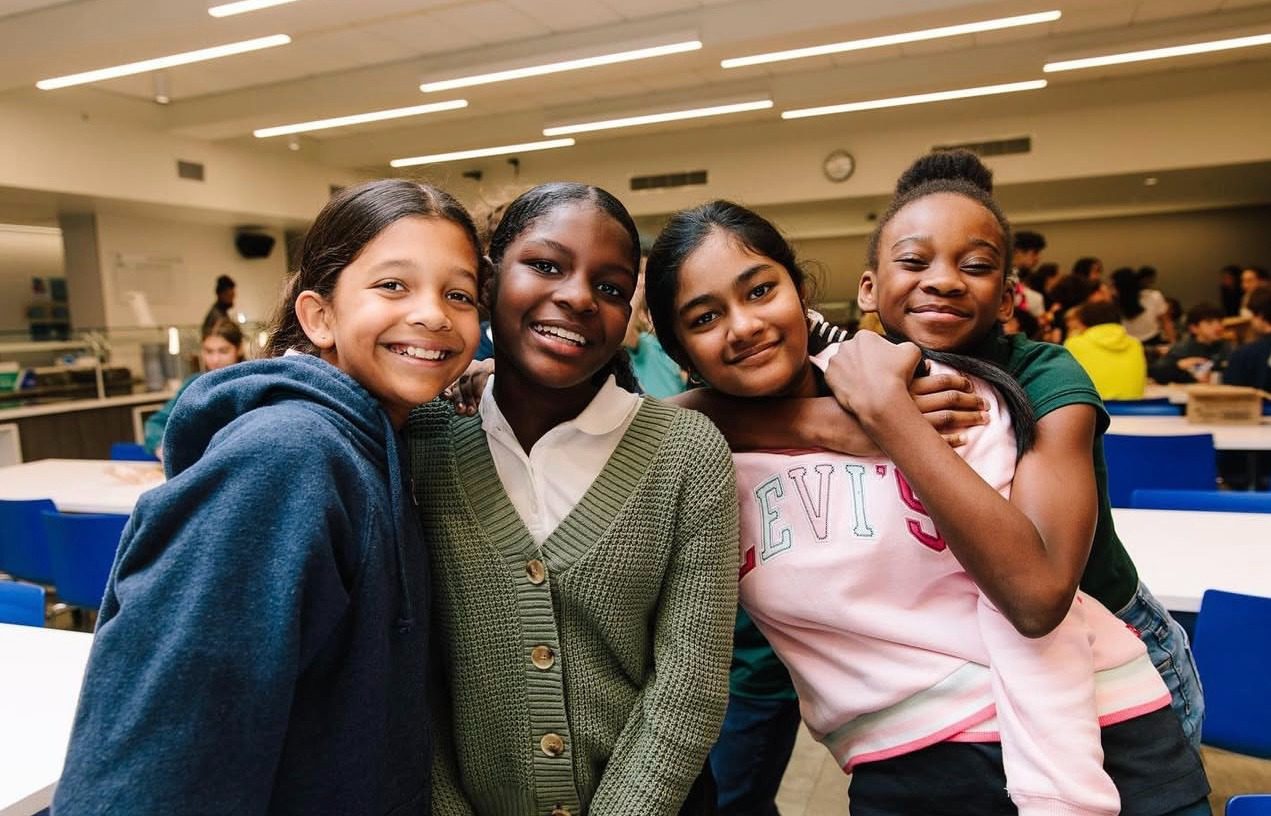
In addition to classrooms, labs, studios, and offices, the campus includes: two theaters, two libraries, two pools, three gymnasiums, and playgrounds, a fitness center, a garden, and a rooftop play area. Everything is here to combine academics, creativity, and sports.
School Governance and the Foundations of Democracy
Life at Trinity School thrives outside of lessons. Even the youngest students learn not just to listen, but to be heard. At the center of this school universe stands the Upper School Senate—a small but influential body where the students themselves make decisions.
Every September, sixteen representatives, four from each class, begin a new year of meetings, discussions, and debates. The Senate President, elected by the entire school, leads these meetings, sets the agenda, and ensures that no idea is lost amidst the noise. Together, they manage budget matters, approve new clubs, oversee student initiatives, and even handle the part of the day everyone loves—school lunches.
One of the most exciting times of the year is the September Club Fair. The lawn turns into a colorful gallery of posters, music, and laughter. Students present their initiatives: from serious ones—like the “Jewish Affairs Club” or “TrinLit”—to fun and tasty ones, like the “Chocolate Lovers Club” or the “Food Critics Club.” There are also groups that unite creative minds—a jazz band, a theater community, or the diversity leadership council. If a student doesn’t find a club they like, it’s enough to submit a proposal, collect signatures, and a new community can be born right before their eyes.
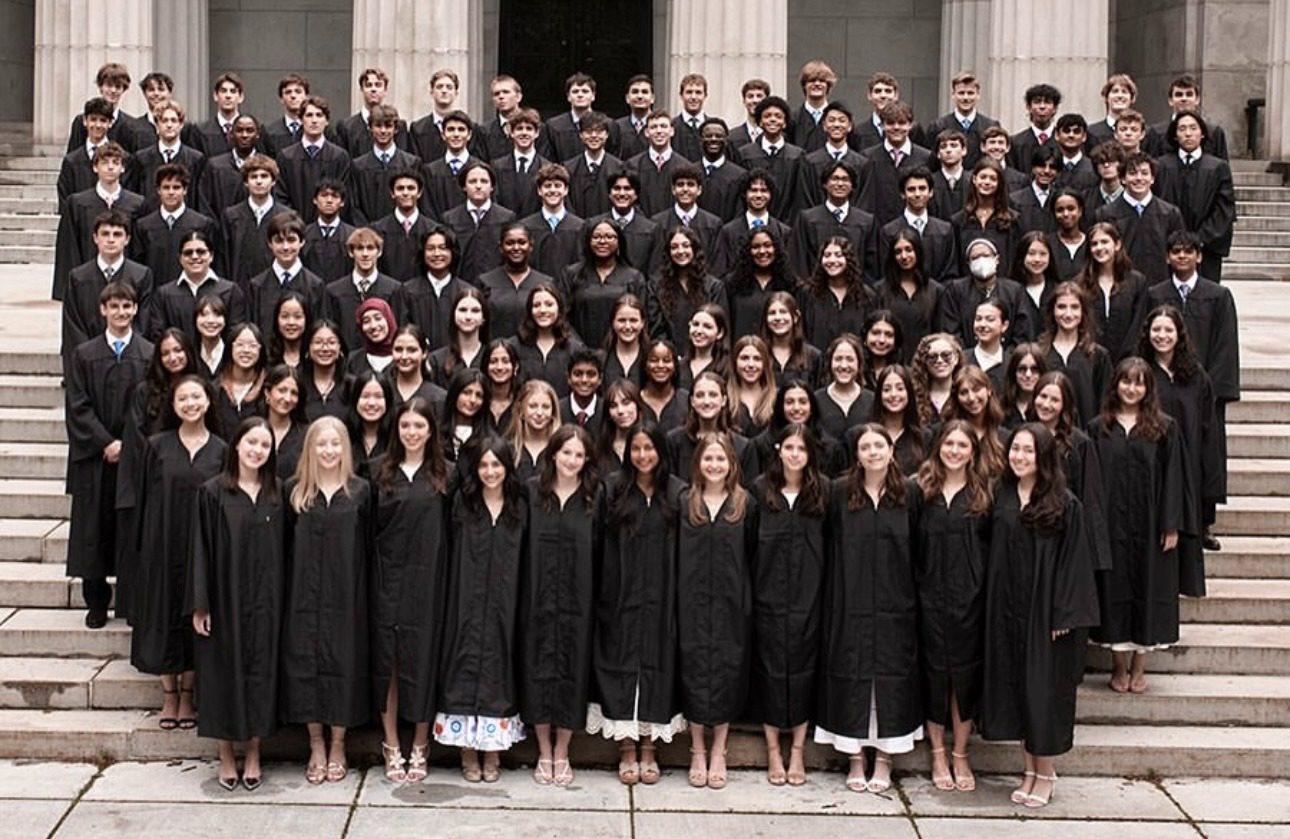
Upper school life at Trinity is rich not only with clubs but also with large-scale events. The beginning and end of the year are marked by warm communal outdoor lunches, where students, teachers, and staff share summer stories or dreams for the future. Class trips are a tradition. Freshmen embark on volunteer programs, while seniors go on challenging trips that push them outside their comfort zone but always build unity and friendship. And at the end of the academic year, the beloved Senior Carnival arrives—with inflatable slides, cotton candy, and laughter that rings out late into the evening.
School life is not limited to activities—Trinity has its own media scene. Students publish magazines that are read across campus: The Pulse—a sharp take on pop culture, The Synapse—about science news, Novus Libellus—about antiquity, and The Discourse—a place for candid conversations about politics, the world, and society.
Trinity is a school where democracy is born in the classroom, where every voice matters, and where future leaders learn to listen, collaborate, and change the world, starting with their own community.