

Despite a controversial and challenging history, Barnard remains a place where education is combined with active world exploration, and students and faculty collaboratively shape the future. This is a college where women don’t just learn—they create and influence the world. Read on newyork1.one for more about this distinctive educational institution in New York.
Barnard: The College That Opened the World to Women
In the late 19th century, when women still lacked the right to vote and Ivy League universities remained male strongholds, a revolution was taking root in the heart of New York City. Its name was Barnard College.
It all started with the vision of idealist professor Frederick Augustus Porter Barnard, the president of Columbia College. He believed that intellect has no gender and knowledge should not be a privilege reserved only for men. But in his fight for co-equal education, Barnard ran into a wall of resistance. His colleagues repeatedly rejected the idea of women in the college. It was only after his death, in 1889, that the professor’s dream began to materialize, thanks to the persistence of his intellectual heir, young writer Annie Nathan Meyer. Along with a group of determined New York women, she convinced the leadership of Columbia University to create a women’s college that would equal the male institutions in academic rigor. This is how Barnard College was born—a place where women first gained the opportunity to study science, philosophy, literature, and art at the same level as men.

The first campus occupied an old brownstone house on Madison Avenue, where six instructors taught just 14 students. However, within nine years, the college moved to Morningside Heights, becoming part of the Columbia University academic quarter.
Barnard immediately became a symbol of intellectual freedom. Its students carried books in their hands when that was still considered odd; they argued, thought, wrote, created, and broke societal stereotypes. In an era when a woman’s destiny was often confined to the role of wife and mother, Barnard College alumnae proved that education does not contradict femininity but reveals its depth.
In the 21st century, the college remains a powerful voice for women’s education. Its history is a story of courage: from the first lectures in a cramped house to the opening of the Milstein Center in 2018, and from the 1968 protests to the admission of transgender women in 2016.
Barnard College continues to challenge the world. It prepares students for leadership in an era of climate change, artificial intelligence, and social upheaval—and does so with the same fearlessness as it did over a century ago. Because courage, like education, is Barnard’s primary tradition.

How Barnard and Columbia Built a Difficult Alliance
When Barnard College opened its doors to its first students in 1889, it was not just an educational experiment but a challenge to the established order. The early years were full of tension. The following decades resembled a rollercoaster—from attempts at full merger to periods of alienation. In the early 20th century, Columbia President Nicholas Murray Butler even proposed absorbing Barnard, considering it redundant. The college survived thanks to the determined Virginia Gildersleeve, a Barnard alumna who took over leadership in 1911. She transformed it into a full-fledged intellectual community—female, but not subordinate.
After World War II, relations between the two institutions stabilized. Columbia University dealt with its own problems, while Barnard, under the leadership of Millicent McIntosh, developed at its own pace. Barnard students could take courses at Columbia, use the libraries and sports facilities, while remaining a separate academic community.
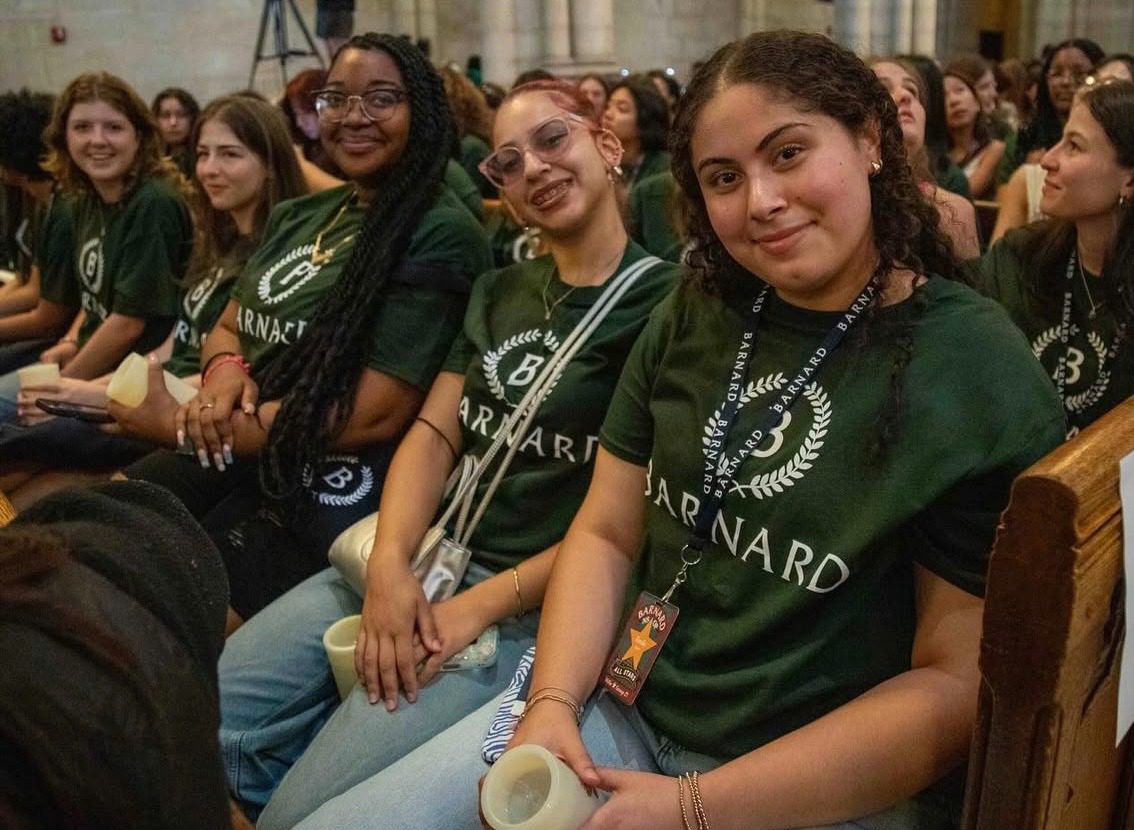
But a storm brewed again in the 1970s. Columbia was experiencing a financial crisis and began billing Barnard for all the “benefits of the partnership.” Talk arose about merging faculties and even a full consolidation. Barnard College was threatened with losing its autonomy.
The culmination came in the 1980s when Columbia College finally decided to admit women—the very thing Barnard had advocated for over a century earlier. It seemed the women’s college’s mission was complete. But President Ellen Futter fought for independence. Thanks to her persistence, Barnard not only survived but negotiated a new agreement with Columbia that maintained the co-equal relationship between the two institutions.
Today, Barnard students study on their own campus but receive Columbia University degrees, signed by both presidents—a symbolic confirmation that the two histories have merged into one.
And while Broadway once served as a boundary between them, it now looks more like a bridge—a bridge between the past and the present, between the women’s fight for education and a new era of equality.
High Standards and Global Opportunities
Barnard Global opens international horizons for students and faculty. Exchange programs and global partnerships allow students to look beyond the New York campus, pursue research abroad, and invite international scholars.
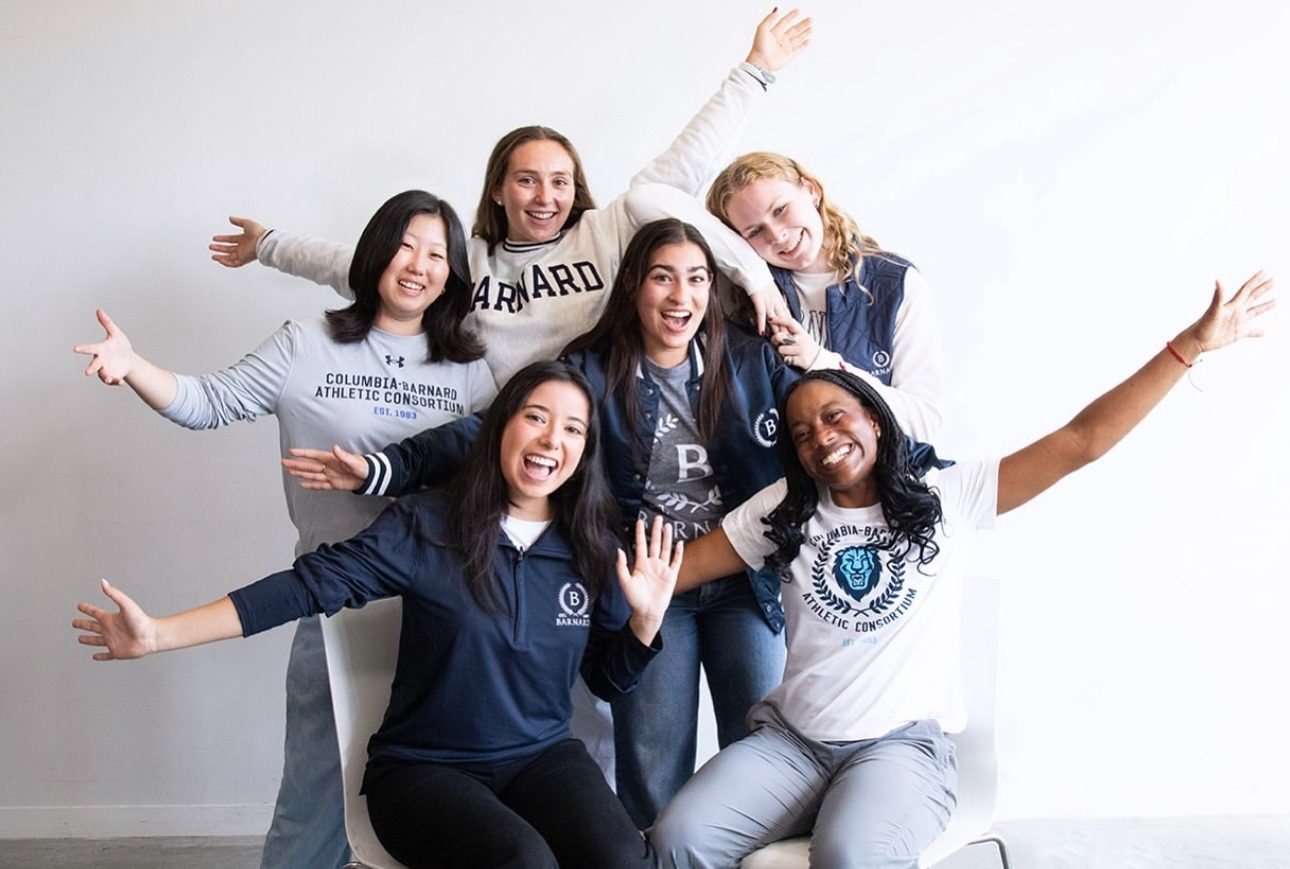
Barnard alumnae join a global network of over 40,000 individuals working in politics, arts, science, and business. This network provides support, mentorship, and professional opportunities for students and young graduates.
Barnard offers over 100 student organizations and clubs, including sports, arts, and cultural groups, where every student can find her place. The clubs and programs foster leadership, interaction, and the creation of a strong community.
The college emphasizes the importance of global thinking. Psychology, Economics, Computer Science, Political Science, and English are among the most popular majors.
The energy of youth and creativity always reigns at Barnard. Over three thousand students study here. They come from all corners of the country—from 46 states, the District of Columbia, Puerto Rico, and the Virgin Islands, as well as from over 50 countries worldwide. China, India, and Canada are the countries contributing the largest number of international students. The college is proud that 16% of its students are the first in their families to attend college.
Barnard has always been known for its highly selective admissions. In 2023, the acceptance rate dropped to a record-low 6.5%, making the college one of the most competitive in the U.S.
Barnard College actively provides financial support to students with fewer resources—about half of freshmen receive institutional aid, and 13% benefit from federal Pell Grants.

Barnard doesn’t just talk about inclusivity—it creates it. Programs support LGBTQ+ students, resources are available for students with disabilities, and mental health counseling and violence prevention workshops are offered. Students can participate in creating diversity policies and join programs and initiatives that help make the college even more open and welcoming.
The College That Inspires Women to Change the World
Barnard College is not just a place of study; it is a vibrant intellectual center where every student can find her voice and faculty members find a space for scholarly pursuits and creative work. Over its century-plus history, the college has educated and invited a number of distinguished individuals to its faculty.
Faculty members include nuclear physicist Harriet Brooks, classicist Helene Foley, writer Mary Gordon, physicist Margaret Maltby, poet and 1945 Nobel Prize in Literature laureate Gabriela Mistral, and theologian Elaine Pagels, among others. They not only taught but also inspired students to think boldly and explore the world.
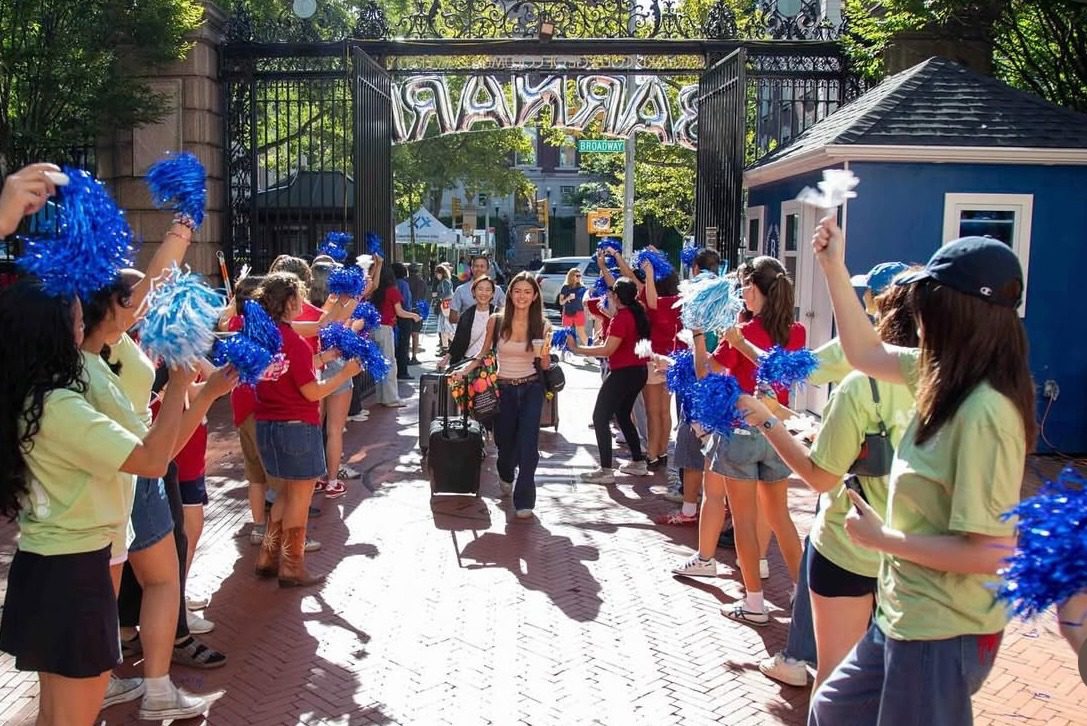
The list of Barnard alumnae is long and diverse: from musician Laurie Anderson and jazz violinist Elana James to journalists, writers, and activists including Grace Lee Boggs, Alice Duer Miller, Jhumpa Lahiri, and Judith Miller. Barnard graduates have transformed culture, literature, science, and politics. The college fosters leaders ready to challenge the world and shape its new rules.