

New York is a famous hub for research and innovation, a symbol of prosperity, freedom, and success. The city moves at lightning speed, with a dynamic, fast-paced rhythm that offers a wealth of opportunities. Read more at newyork1.one.
Studying in New York offers a prestigious education, promising career prospects, and many other benefits. Columbia University is widely considered one of the city’s top schools. Read on to learn about its history and academic programs.
History of the University
The institution was founded in 1754 as “King’s College.” The college’s first building was Trinity Church in Lower Manhattan, and the first class had no more than eight students. In 1767, the college’s medical department awarded the first Doctor of Medicine (M.D.) degree. The university has been home to many famous alumni and faculty, including several of the Founding Fathers of the United States. In 1784, the college was renamed Columbia. Over the years, the institution moved to several different locations within Manhattan. The college was granted university status in 1912. Along with its achievements in medicine and the applied and natural sciences, the university has successfully implemented humanities and creative arts programs over the decades. It has built campus buildings, libraries, and university clinics. Also in 1912, as stipulated in Joseph Pulitzer’s will, the School of Journalism was founded at Columbia, where the famous Pulitzer Prize is still awarded today. Students at Columbia University have always been known for their strong political stances and involvement in the country’s social life. In the late 1960s, the university was the site of significant anti-war protests against the Vietnam War. The demonstrations escalated into a full-blown student uprising. The protests lasted for several months, and the following years proved to be the most critical for the university. In the late 1970s and early 1980s, students once again expressed their dissatisfaction with protests. At the time, they considered investments in South Africa to be inappropriate due to the country’s policy of racial segregation.
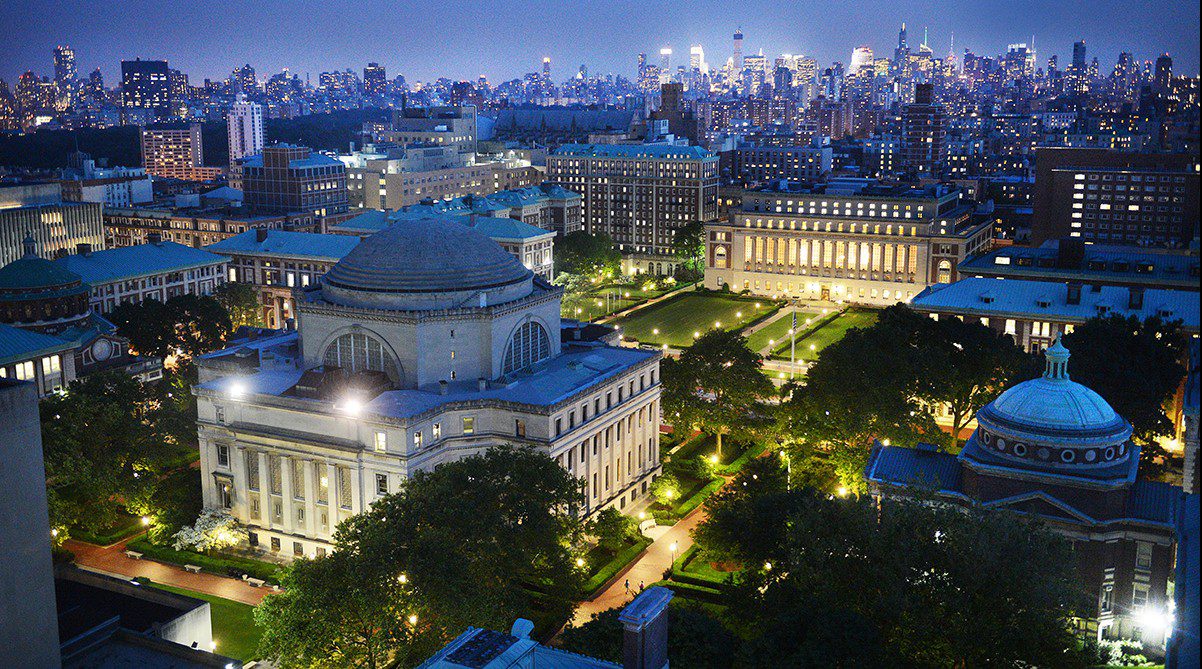
Infrastructure and Location of Columbia University
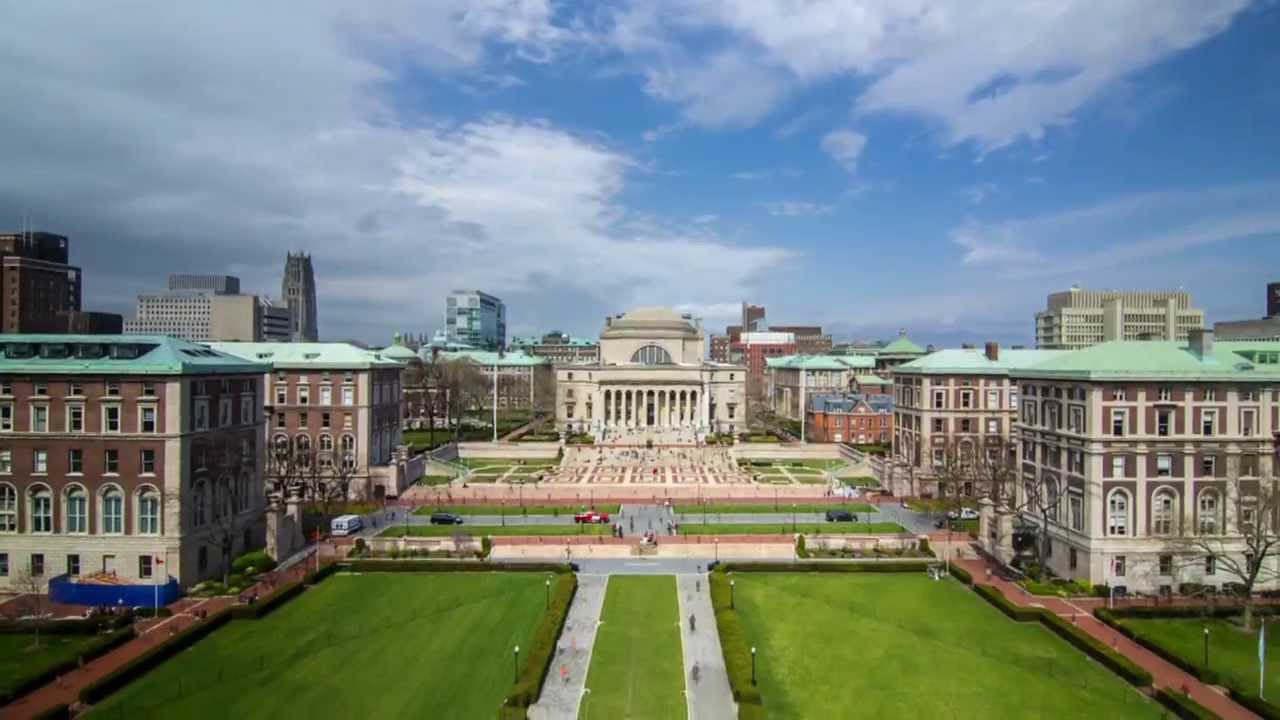
Columbia University’s main campus is located in Manhattan in a prestigious neighborhood. The university’s buildings occupy 32 acres of land, or six city blocks, in the area of 116th Street and Broadway. The campus was designed by the famous American firm McKim, Mead & White, which has designed many well-known buildings in the country, including the Manhattan Municipal Building. The campus buildings are primarily in the neoclassical style. The university’s library (Low Memorial Library) serves as the administrative center. The main campus of Columbia University is of great interest to tourists, as several of its buildings are on the National Register of Historic Places. The Butler Library is considered one of the most beautiful university libraries in the United States. The first experiments on the fission of uranium by Enrico Fermi were conducted at Pupin Hall. The university campus houses libraries, laboratories, and a chapel, while outside its walls, the vibrant life of “the Big Apple,” a free and open New York, bustles. One of the university’s research centers is the Medical Center in Washington Heights. On the northern edge of Manhattan Island are the university’s stadiums. Another of the university’s research facilities is the Lamont-Doherty Earth Observatory, which is located on the Hudson River, about 30 kilometers from Manhattan. The university’s Nevis Labs network is in Irvington, where scientists study elementary particle physics.
Columbia University Schools and Colleges
Columbia University consists of 18 schools and colleges that offer various undergraduate, graduate, and doctoral programs. Undergraduate students are educated through three schools: Columbia College, the School of General Studies, and the Fu Foundation School of Engineering and Applied Science. Columbia University students have the opportunity to choose from dozens of majors, which can be quite a challenge. For example, Columbia College alone prepares students in 80 scientific specializations. In addition to their majors, students can pursue a combined plan (multiple majors) or an accelerated program. The other 15 schools offer master’s and doctoral programs, with the most popular being the master’s program in finance and investment risk. Two colleges—Teachers College and Barnard College—and two seminaries—Union Theological Seminary and Jewish Theological Seminary of America—are affiliated with Columbia University. The colleges offer accelerated courses for those who want to apply to Columbia. The university also offers courses in English (American, intensive, professional), bioethics, management, and even alternative medicine.
Student Enrollment and Tuition Costs
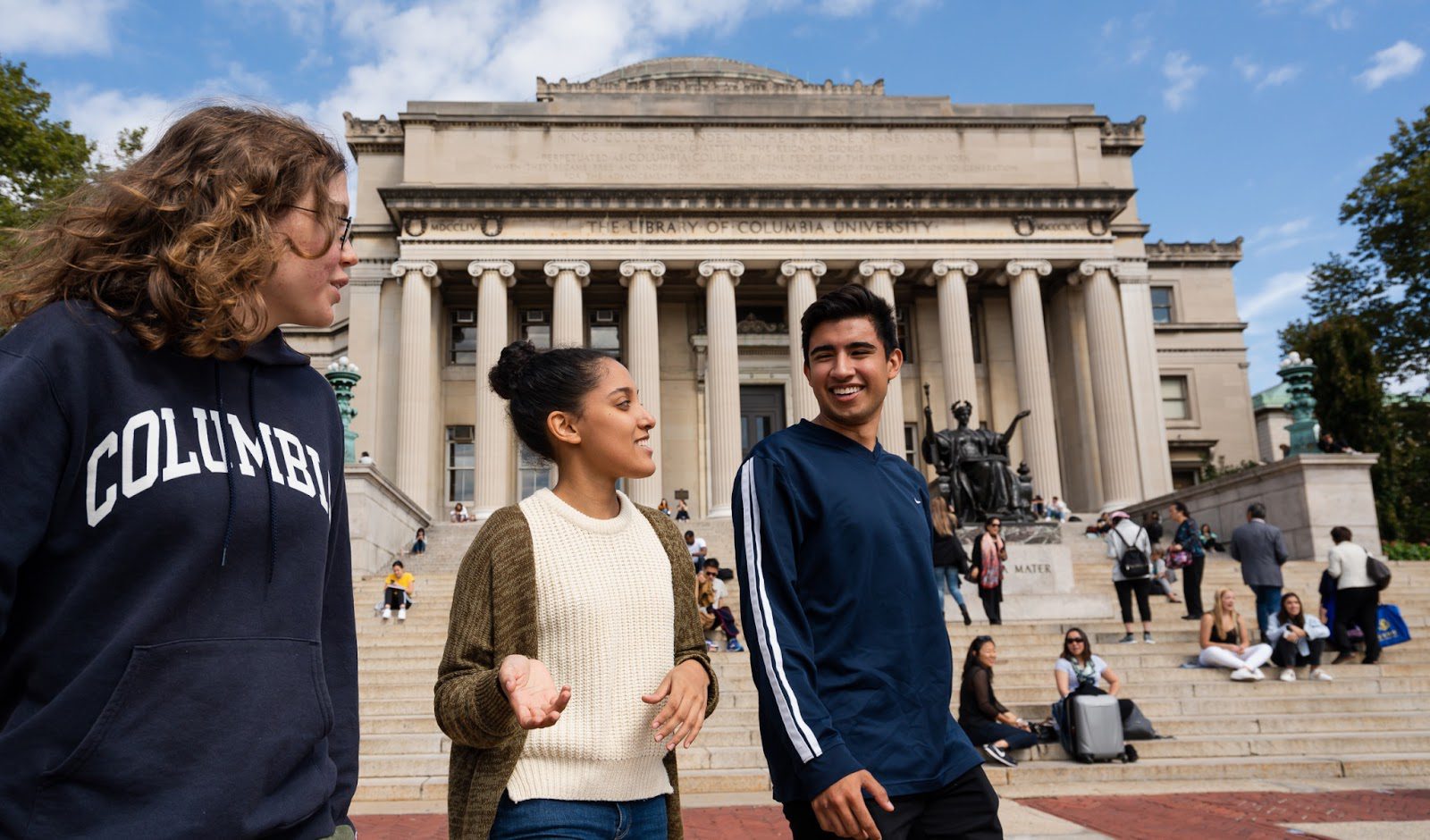
Columbia University enrolls approximately 24,140 students, including international students, who make up about 28-30% of the total student population. The faculty is also large, with more than 6,200 research staff. Tuition for domestic students, both undergraduate and graduate, is over $20,000. For international students, tuition is significantly higher than for domestic students. For example, to earn a bachelor’s degree, students must pay between $60,000 and $73,000 per year, depending on the major. Law school is the most expensive. After earning a master’s degree, students can try to win a grant or scholarship, provided by the university itself or other foundations, to pursue a doctoral degree. The university provides scholarships and financial aid from various patrons. Columbia University is a worthy and highly-ranked university with many achievements, but it’s not for everyone. The prices are indeed steep.
On-Campus Housing Options
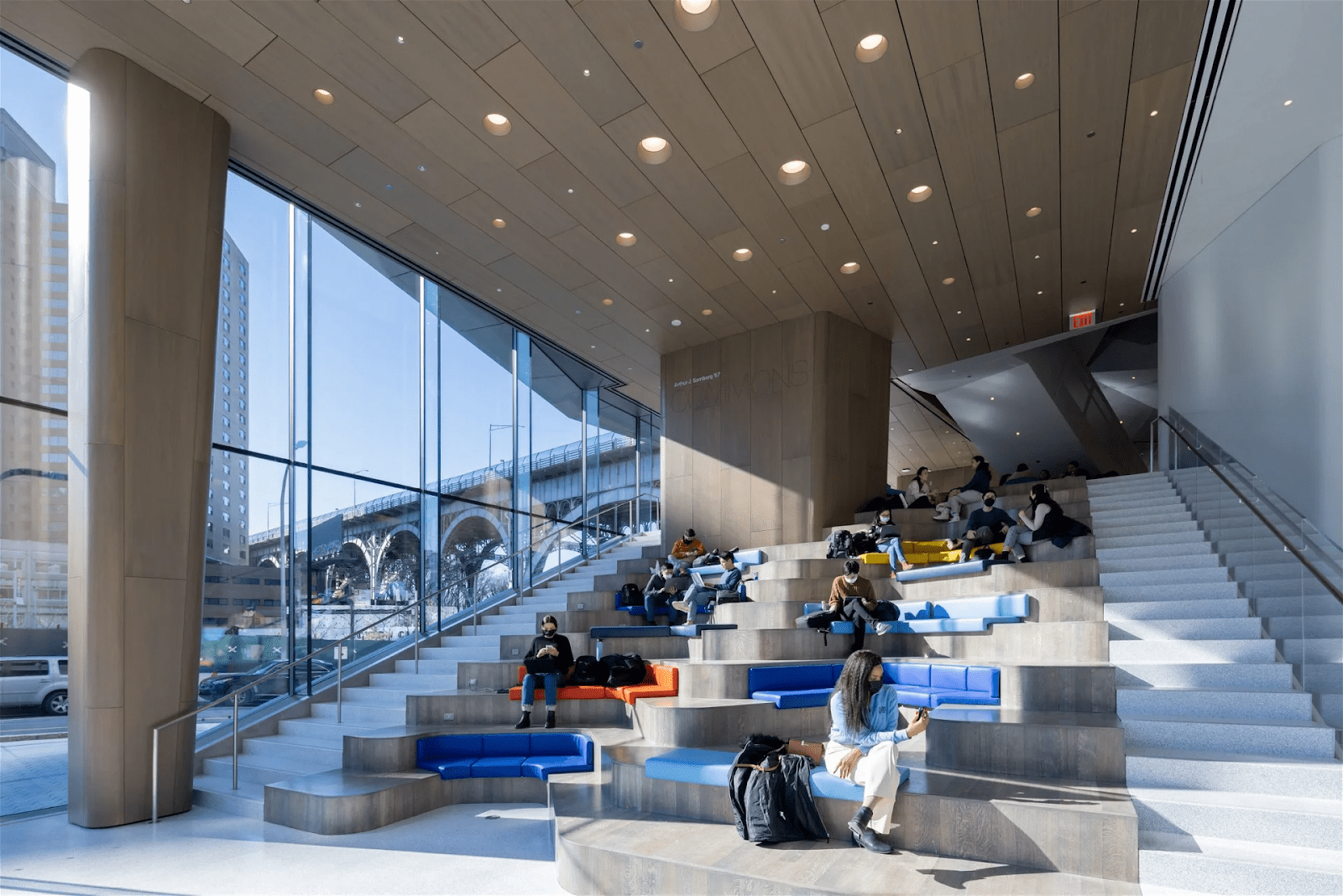
Undergraduate students live on campus in dormitories located near academic buildings. The apartments have everything needed for a comfortable life. Students eat in cafeterias on campus, and they can also prepare their own meals in the communal kitchens. Graduate students are housed in residences. They are provided with furnished rooms for one or two students. Meals in the dining halls are paid for separately. The cost of living is about $14,490 per year. In addition to tuition and housing, there are costs for educational materials and personal expenses, which are estimated at $3,500 per year.
List of sources: