

This is the story of how a small initiative grew into an influential legal advocacy organization that helps tens of thousands of New Yorkers every year. The Urban Justice Center (UJC) is an entire network of independent projects working on the most acute social issues: homelessness, discrimination, domestic violence, immigration, and the right to asylum. Read on newyork1.one for more about the history and focus areas of the UJC.
From Idea to Movement: How the Urban Justice Center Was Born
It all began in 1984 when a young lawyer named Doug Lasdon founded a small organization in the heart of Harlem, initially without an office, a team, or stable funding. His mission was simple yet ambitious: to defend those the system ignored—the homeless, immigrants, and low-income individuals. Thus, the Urban Justice Center (UJC) was born.
The first office was located in a burned-out building, and Lasdon was the entire staff. However, the idea quickly gained momentum. Over time, the UJC moved to Lower Manhattan, where it grew from a small initiative into an influential legal advocacy organization with over a hundred employees and a multi-million dollar budget.
Over decades of work, the Center secured a number of legal victories that changed the lives of thousands of New Yorkers. The Center gradually expanded its activities—from legal consultations to educational programs, advocacy, and work with communities and immigrants. Its initiatives have been repeatedly recognized at the city level—for example, the UJC was a finalist in the prestigious THRIVE competition, which honors leaders of social change in New York.
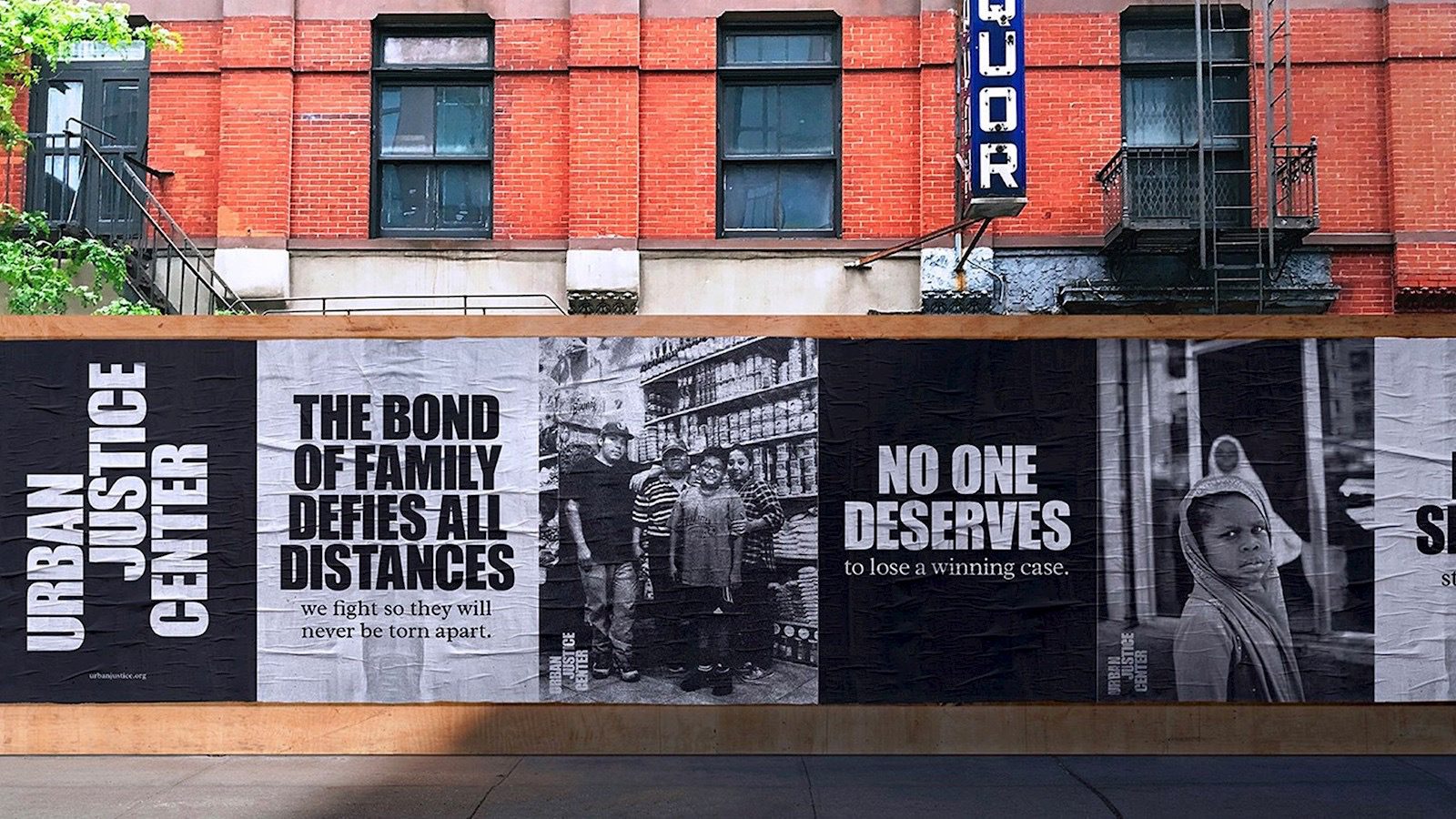
The organization’s success allowed Lasdon to take a smart step: investing in its own future. Thanks to profitable real estate deals, the UJC acquired a new headquarters on Rector Street, and profits from the sale of its old office, combined with a $5 million city grant, secured its stability for years to come.
The Urban Justice Center is a powerful network of programs. Its lawyers and law students help people who have fled war and persecution, advocating for their rights not only in New York but also in Jordan and Lebanon. The UJC was the plaintiff in a high-profile case against the Trump administration in 2017, defending the right of refugees to enter the U.S., which had been prohibited by presidential order.
Thus, a genuine social justice center grew out of a cramped office in Harlem, continuing to remind people that even one person, armed with the law and a belief in equality, can change an entire city.
The Team That Moves New York Forward
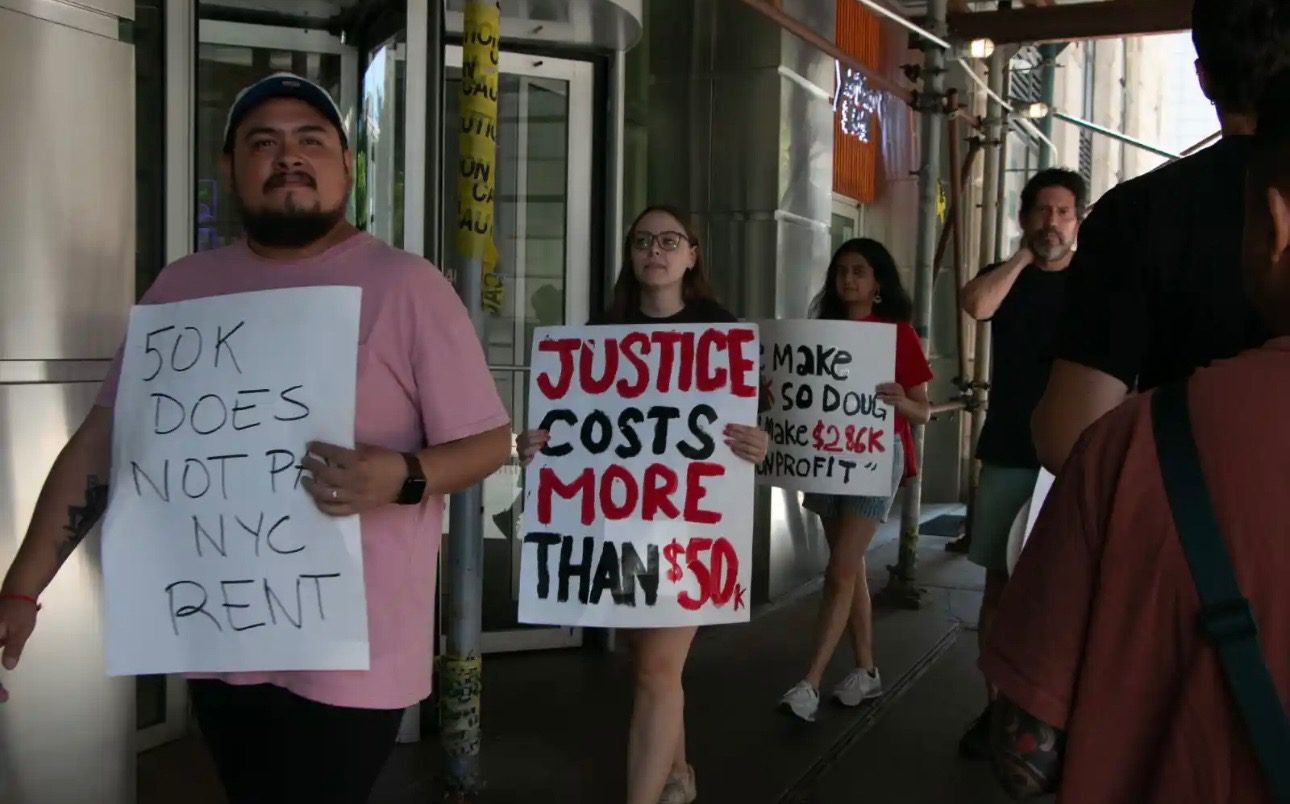
One of the driving forces of the organization is the UJC Executive Office—the core structure that manages the mission, budget, and development strategy. It is led by the founder and Executive Director, supported by a team of assistants, administrators, finance officers, and development specialists. This team ensures that every dollar and every initiative works toward the main goal: protecting vulnerable communities.
The UJC also has its own Social Justice Accelerator—a kind of incubator for ideas. This is where new human rights projects are born, receiving financial support, mentorship, and a community of like-minded individuals.
Over the years, many prominent figures have passed through the UJC:
- Cory Booker, U.S. Senator from New Jersey, a former attorney for the Center.
- Raymond Brescia, law professor and former director of the community development project.
- Harvey Epstein, New York State Assembly member.
- Sally Kohn, political commentator.
- Erin Siegal McIntyre, director of the documentary film Take the Pledge, supported by the UJC.
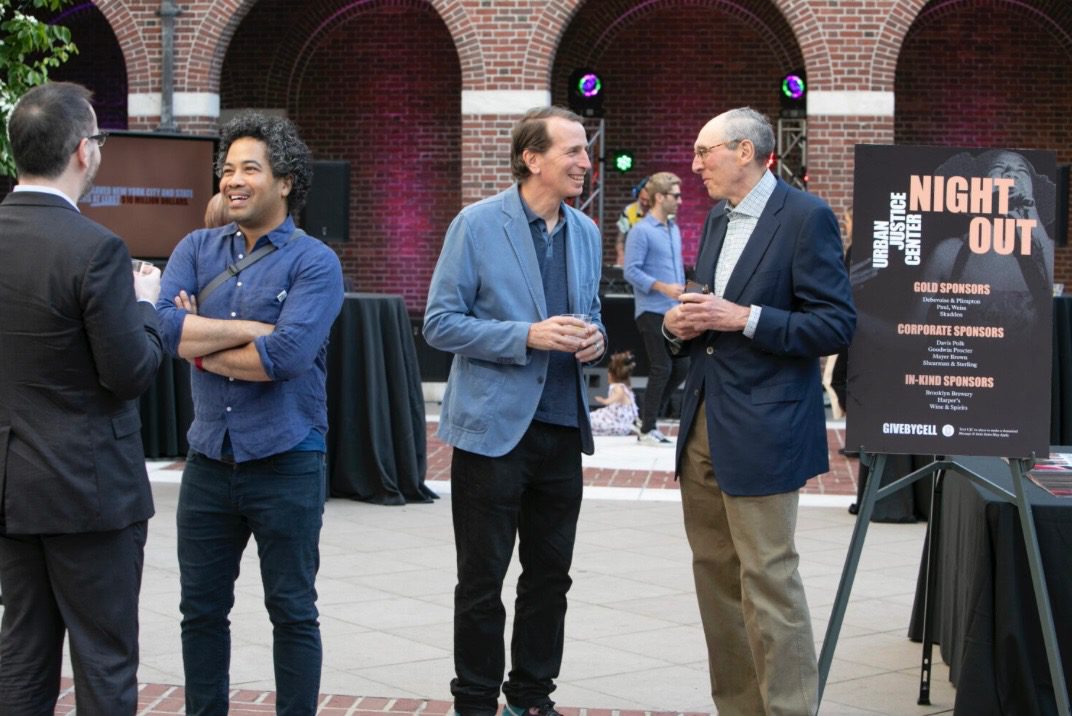
These are not just former employees—they are the heirs of the ideas who prove that change begins with those who are not afraid to act without guaranteed success.
Urban Justice Center: Where Change Begins
Over the years, the UJC has become the launchpad for dozens of independent initiatives that have changed the lives of thousands of people. This is where social ideas receive the support to grow into powerful organizations. Here are the stories of a few projects that started their journey at the UJC:
- ASAP — Asylum Seeker Advocacy Project.
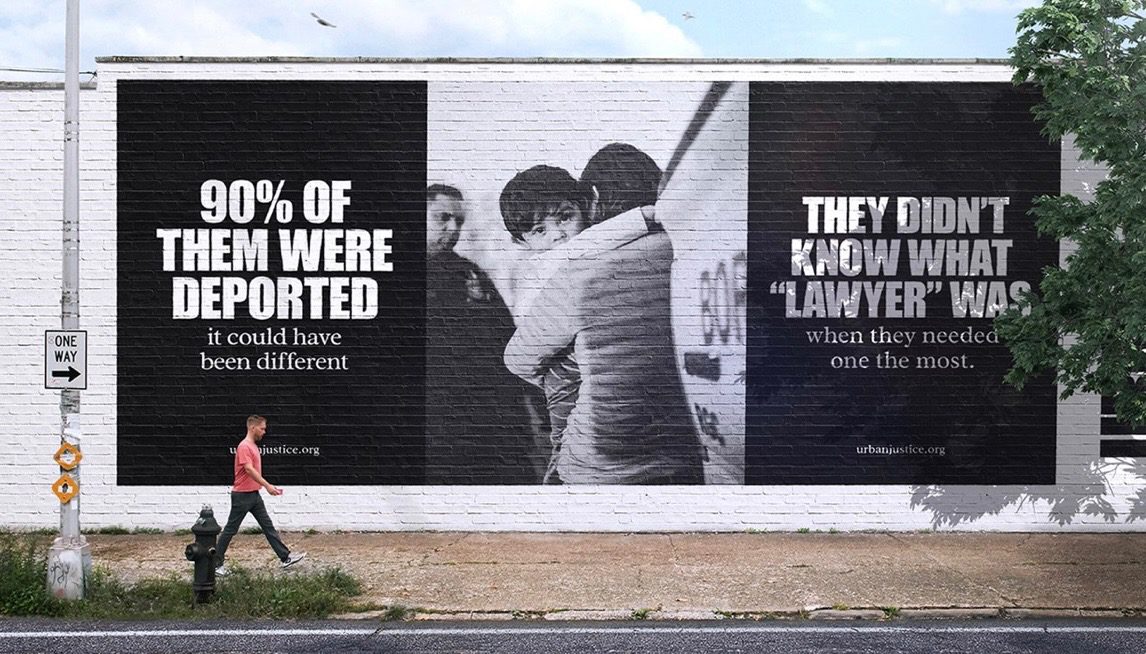
In 2015, four Yale Law School students approached the UJC with a new idea: to create a group that would help asylum seekers navigate the complex U.S. immigration system. Thus, the Asylum Seeker Advocacy Project (ASAP) was born. By 2025, it is a membership organization spanning over 175 countries, providing legal support to thousands of people. Under the UJC’s umbrella, ASAP grew from a volunteer startup into a full-fledged non-profit organization with its own team of lawyers and technological advocacy tools.
- The Brave House — A Home for Young Immigrant Women.
Another accelerator graduate, this project helps young immigrant women aged 16 to 24 who have experienced violence. The organization provides free legal aid, psychological support, creative workshops, English lessons, meditation, self-defense, and more. It is a space where women, transgender, non-binary, and gender-nonconforming people find a community that believes in their strength.
- College Athlete Advocacy Initiative — For the Rights of Student Athletes.
This project fights for fairness in college sports, opposing the exploitation of athletes in the multi-billion-dollar college industry. The initiative combines legal support, advocacy campaigns, and media work to guarantee students equal opportunities for education and development.
- S.T.O.P. — Against Discriminatory Surveillance.
The Surveillance Technology Oversight Project (S.T.O.P.) opposes the misuse of surveillance technologies. The organization combines legal work, educational programs, and policy development to protect the digital rights of citizens in a world where privacy is becoming a luxury.
- Worth Rises — For Change in the Prison System.
Worth Rises (formerly the Correctional Accountability Project) works to end the exploitation of people affected by the prison system. The organization is known for its campaign victory that made calls from New York jails free—a model now spreading nationwide.
Although each of these projects has its own history, they all started at the UJC with one idea: to enact social change through compassion, determination, and community support.
The Justice Ecosystem: The Urban Justice Center’s Main Programs
The primary projects of the UJC in 2025 are:
- Community Development Project (CDP).
Helps communities and non-profit organizations create viable, equitable societies through legal support, involvement in urban planning, and protection of workers’ rights.
- Domestic Violence Project (DVP).
Protects individuals who have experienced intimate partner violence. Provides legal aid in family and immigration law, conducts “Know Your Rights” training, and promotes political changes aimed at eradicating gender-based violence.
- Human Rights Project (HRP).
Focuses on advancing human rights in the U.S.—through analysis, educational campaigns, and advocacy within city and state structures.
- International Refugee Assistance Project (IRAP).
Works with refugees, asylum seekers, and other migrants, providing free legal aid and support during resettlement and integration.
- Mental Health Project (MHP).
Protects the rights of people with mental illness who often face discrimination, homelessness, or end up in the criminal justice system without proper support.
- Peter Cicchino Youth Project (PCYP).
Helps youth experiencing homelessness or belonging to the LGBTQ+ community gain access to housing, education, healthcare, and name change documents consistent with their identity.
- Safety Net Project (SNP).
Works with the social “safety net”—helping low-income individuals gain access to housing, social benefits, and government support. It also organizes activist communities composed of people who have personally experienced homelessness or poverty.
- Sex Workers Project (SWP).
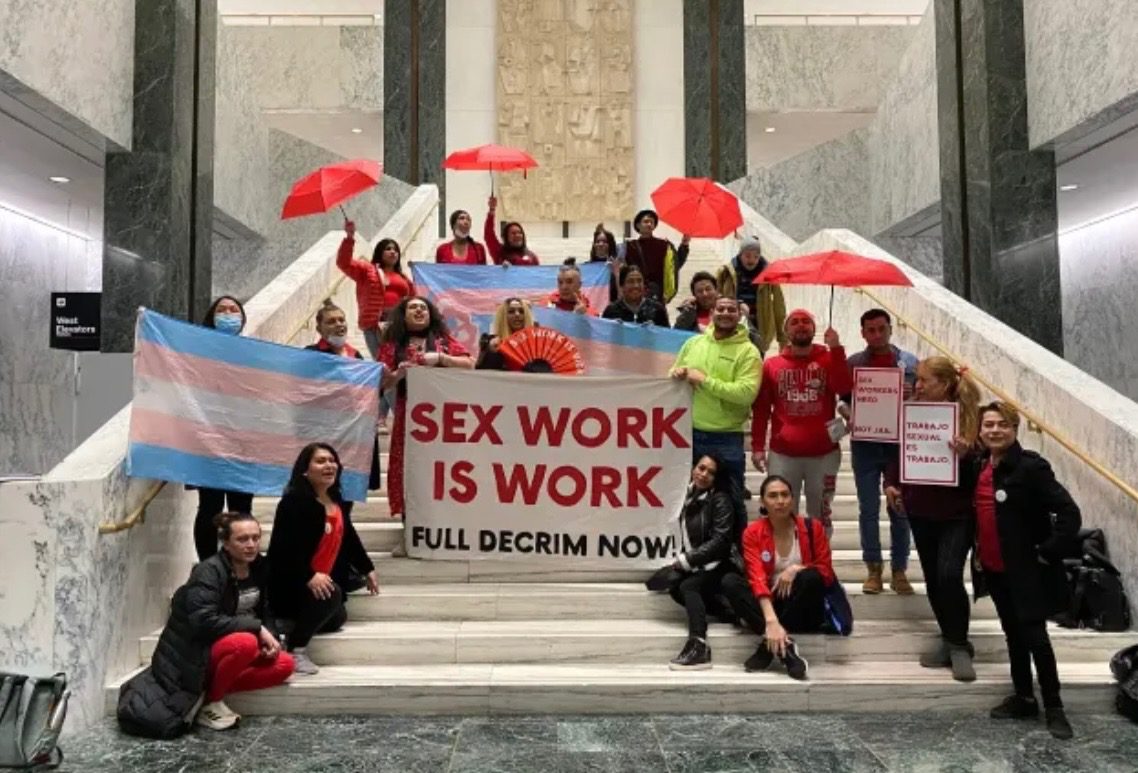
The only program in the U.S. that simultaneously helps sex workers and victims of human trafficking. It provides legal defense, immigration assistance, human rights training, and conducts research on the criminalization of sex work.
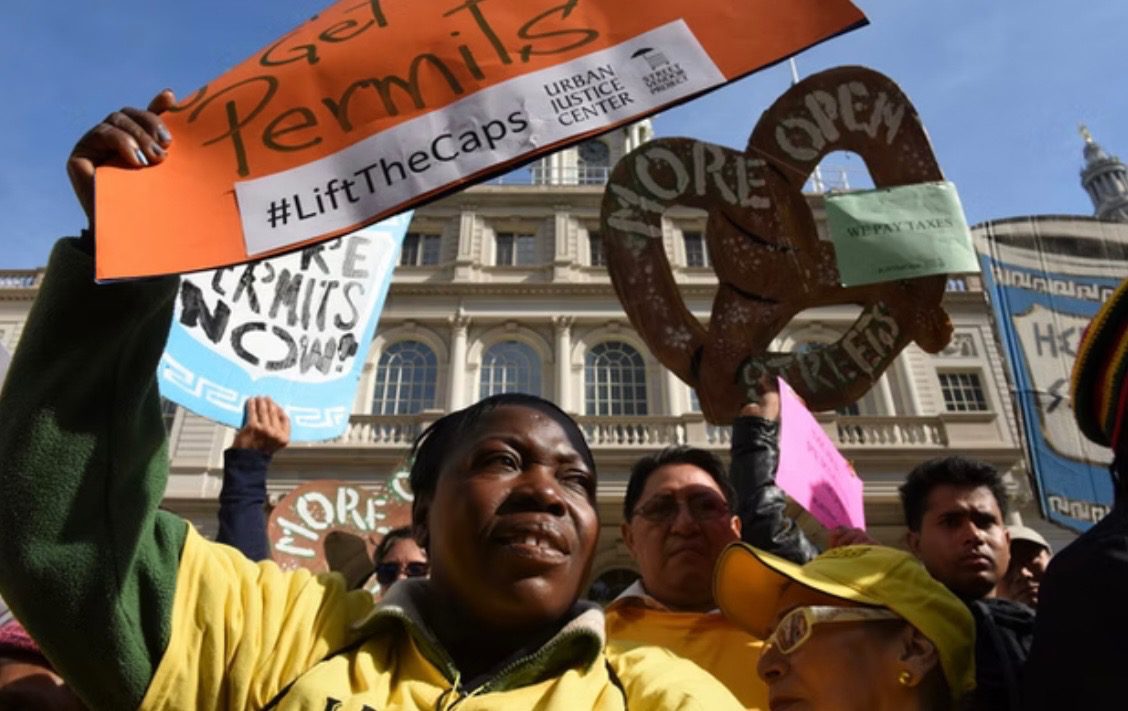
- Street Vendor Project (SVP).
Unites over 2,000 street vendors who fight for the right to work legally and without discrimination.
- Veterans Advocacy Project (VAP).
Provides legal and social support to veterans, particularly those struggling with access to benefits, housing, or suffering from PTSD.
The Urban Justice Center is not just a legal organization. It is an ecosystem of independent initiatives that are changing the notion of justice in the city.
From supporting victims of violence and homeless youth to reforming the prison system—the UJC demonstrates that the law can be a tool not for punishment, but for dignity, equality, and hope.