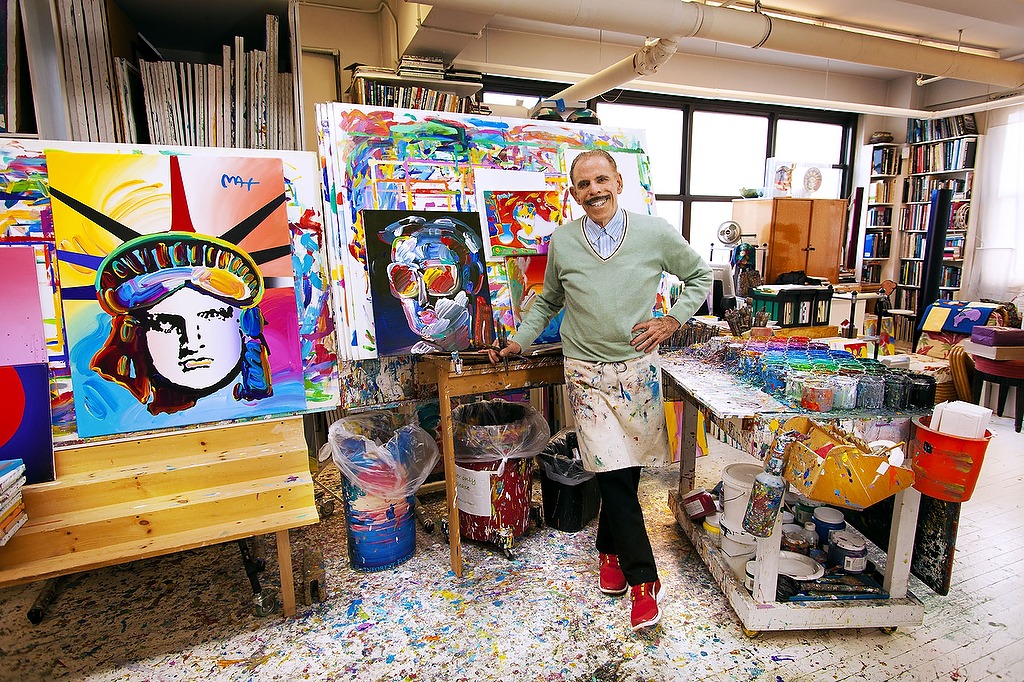
Peter Max is a name known around the globe, especially in the United States, where his artistic career took off. He can confidently be called an international artist. Much of his life was spent traveling from country to country, drawing inspiration along the way. Still, it was New York City that truly shaped him as a master. In his studio, Max painted portraits of celebrities and presidents, created advertising campaigns for major brands, and designed posters that hung in the homes of countless fans of bold, vivid imagery. He built an entire universe of his own – one that the world’s biggest companies and most famous people were eager to claim a piece of. To learn more about who he was, visit newyork1.one.
The Making of Peter Max
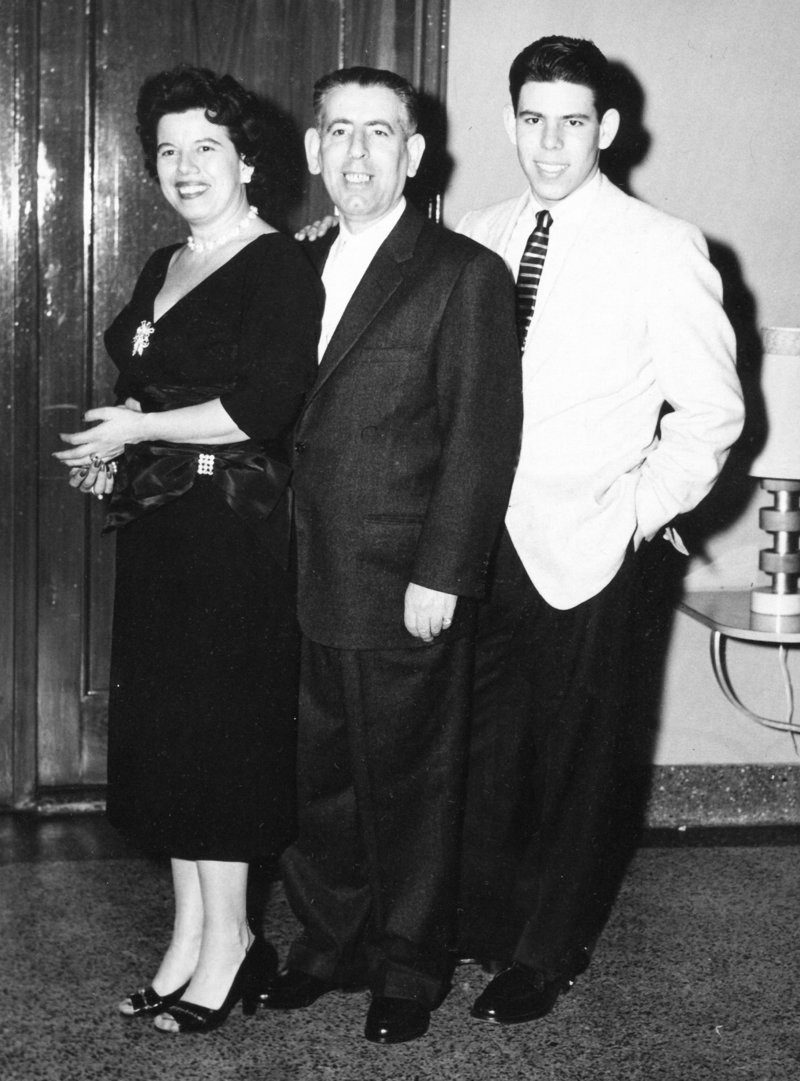
Peter Max’s life reads like a grand adventure, and it began early. He was born on October 19, 1937, in Berlin, but Germany was only a brief stop. In 1938, the Max family moved to Shanghai. There, Peter grew up immersed in the elegance of Chinese culture. His passion for art surfaced almost immediately. By the age of two, he was already drawing his first patterns, and his mother quickly noticed his talent. She enrolled him in private art lessons – just the first of many he would take throughout his life. That early period proved pivotal. Young Peter met Umba, his art teacher and nanny, a woman he would remember fondly for the rest of his life. Shanghai was endlessly fascinating for him. He studied painting, admired nature, observed the daily rituals of monks in temples, and enjoyed the simple joys of childhood. Even then, he was drawn to wildly different influences: comic books, Hollywood blockbusters, and jazz pouring from the radio. It was a culture he would come to know more deeply later on.
The family stayed in Shanghai until Peter turned ten. Then came Tibet, followed by a move to Israel, where they settled briefly. There, the young artist continued exploring the world and developed a strong interest in astronomy. Years later, Max admitted that he wasn’t always sure he would become an artist. Had things turned out differently, the world might have known him as an astronomer instead. The mystery of space fascinated him just as much as creating images on canvas. After several years in Haifa, the family made one final stop before America – Paris. It was a stop worth making. His parents hired a tutor, and Peter continued studying art, sketching at the Louvre and absorbing the city’s creative energy. Every new country and every new home left a lasting impression on him. Throughout his career, he repeatedly returned to themes inspired by the places that shaped him.
The family’s ultimate destination was the United States. In 1953, they settled in New York City, which remains closely tied to Max’s identity. In the bustling metropolis, he made friends and fell in love with the concrete jungle. He continued his studies, learning the fundamentals of realism at the Art Students League. He later found his own artistic voice at the School of Visual Arts. From there, his rapid rise began – one that would secure his place in the history of American art.
Waking Up Famous
Peter Max’s career took off at lightning speed. He never struggled to find clients; demand for original illustrations was overwhelming. His task was simple: come up with compelling ideas and bring them to life. He began his journey to global fame in a small studio he opened with his friend Thomas Daly. Together, they designed book covers, album art, and advertising campaigns. By today’s standards, they worked as graphic designers, and their work was in high demand. Their secret was a blend of realism and abstraction. At the time, Max’s signature style had yet to fully emerge, but clients loved what the studio produced. Everything changed after one transformative trip to Paris.
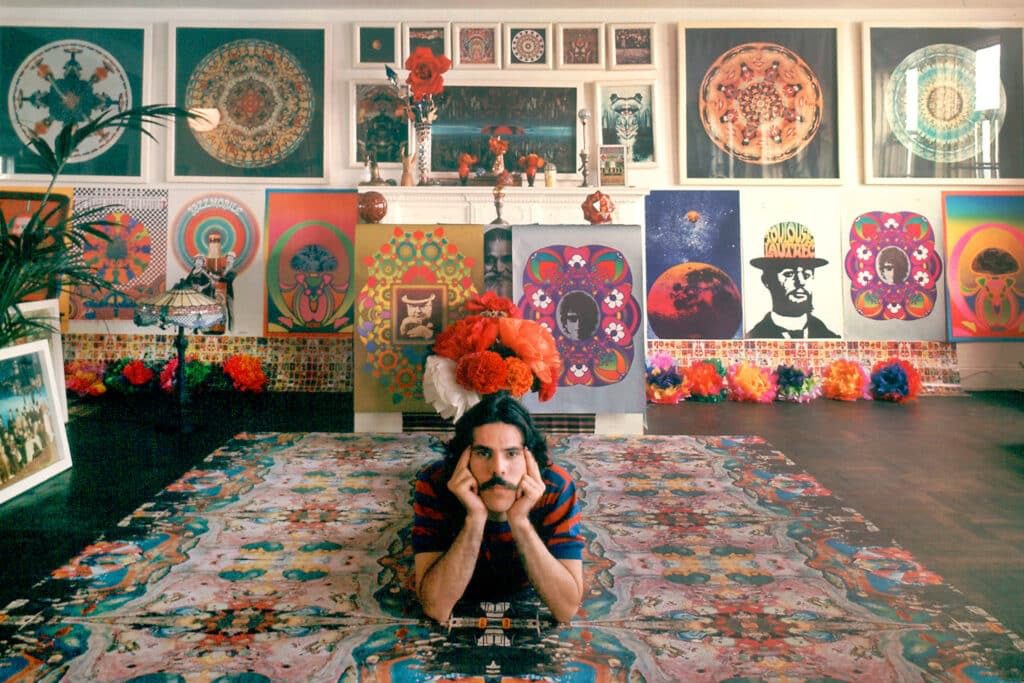
In 1966, Max traveled to the French capital for a project and returned with inspiration for an entire creative path. In Paris, he met yoga master Swami Satchidananda and later invited him to New York. That meeting proved deeply influential. Soon, the world saw Max’s imagination fully unleashed. It began with the iconic Be In poster, created in 1967 for a hippie gathering. From that moment on, Max was seen as a patron of the counterculture – a role he proudly embraced as a promoter of love and peace. The poster became an instant sensation, making Max instantly recognizable as a creator of vibrant, joyful art. In his case, the phrase “waking up famous” couldn’t be more accurate. Fame burst into his life almost overnight.
Although Max often said he was simply doing what he loved, even he couldn’t ignore the signs of success. Television appearances on popular shows left a strong impression, as did the shock of seeing his own face on the cover of Life magazine. The more he created, the more popular he became. Part of his appeal lay in accessibility. His posters appeared in countless homes, giving people a sense of connection to a cultural icon. Along with fame came genuine public affection.
A Recognizable Brand
There’s no question that Peter Max earned his success. The artist didn’t just fit into his era – he helped define it. With each passing decade, his style evolved, and he grew as an artist. While fashion may be cyclical, his art feels timeless. Max worked across many genres, some of which weren’t widely appreciated at the time. Today, countless artists are exploring ideas he tested years ago. In many ways, the New York artist was ahead of his time.
At the same time, his influence reached far beyond the art world. Politicians and major corporations alike sought his vision. Max burst onto the American art scene in the 1960s, and once he found inner balance, he began translating his boldest ideas onto canvas. His love of color, astronomy, and people was immediately visible in his work. He called this early period the Cosmic ’60s. That era had it all: space imagery, a kaleidoscope of rainbow colors, bold geometric shapes, mirrored compositions, and more. His designs appeared everywhere. Brands lined up for his unmistakable style, which soon adorned mugs, T-shirts, watches, shoes, stationery, and just about anything else imaginable. Max maintained a relentless schedule.
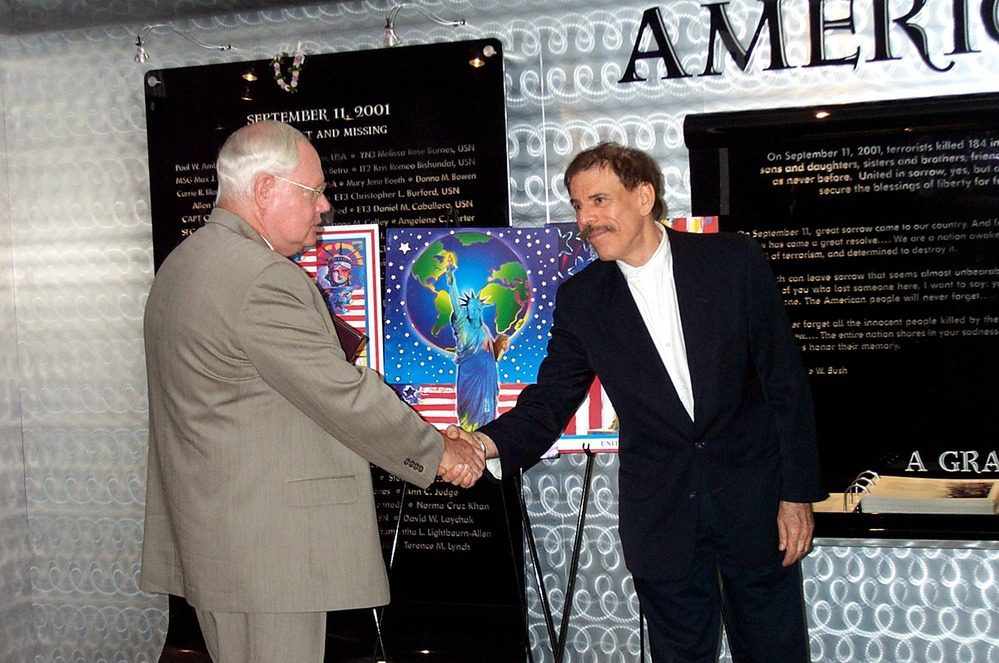
The 1970s marked a period of reflection. He took a short break, focusing only on the most important projects – though there were still many. The pause helped him rediscover inspiration, and during this time he created several landmark works. Social messages moved to the forefront. In 1974, the U.S. Postal Service commissioned him to design a stamp focused on environmental themes. His vision aligned perfectly with their expectations, resulting in one of his most famous pieces. A clear sense of patriotism runs through Max’s work. Border signs welcoming newcomers, the annual Statue of Liberty painting, the restoration of the sculpture itself, the book Peter Max Paints America, and many other projects proved that his art went far beyond commercial work.
His portfolio also includes numerous portraits of famous figures and pieces inspired by major events. A moving song, a meaningful meeting, an important date, or a long-term collaboration – Max painted whatever left an impression. His subjects included four U.S. presidents, many politicians, renowned musicians and actors, performers, and spiritual leaders. He also eagerly designed visuals for major events such as the Woodstock festival, the Grammy Awards, the Super Bowl, and the World Cup. Among fans, his most beloved series include Heart, Umbrella Man, Better World, and Be In.
The Man Behind the Art
Peter Max’s work perfectly reflects his character. He always painted his inner world, making it easy to see what kind of person he was. And by all accounts, he was endlessly fascinating. While art remained his central focus, the diversity of his work mirrored the breadth of his interests. He loved space and science, people and nature, long walks, and, above all, the act of creating. Those who knew him often spoke about his kindness. Despite immense fame, he happily complimented fans, welcomed journalists to major events, and would sincerely draw a portrait for anyone who asked. Even with a packed schedule, he rarely thought of himself as a celebrity. He was simply doing what he loved.
Max had a deeply romantic and humble nature. It was hard for him to grasp the scale of his influence, both in youth and later in life. He never imitated others, choosing instead to create his own worlds. As he once said, one day everything simply came together, and his work became necessary. He just kept painting new universes. He could spend entire days working in his studio, something that happened often. Until dementia worsened his condition, Max visited his studio daily, drawing inspiration from passersby and the streets of New York along the way. Inspiration arrived unexpectedly. He never knew what he would paint next. But his works always reflected rich imagination, sincerity, and the unmistakable originality of their creator. That is who Peter Max was.