

Studying at The New School is not about “following the curriculum,” but about “creating it.” It is an environment where students forge their own academic and creative paths, where education becomes an extension of the individual. This is where new thinking is born—bold, free, and vital, just like New York City itself. Read on newyork1.one for more about this distinctive educational institution.
The History of The New School
When the United States sank into an atmosphere of caution and censorship after World War I, a few courageous intellectuals decided to challenge the conservative order. Historian Charles Beard, philosopher John Dewey, and economists Thorstein Veblen and James Harvey Robinson dreamed of a university where freedom of thought would not be a crime but the foundation of learning. In 1919, an institution opened in New York, calling out to all who sought independent thinking. Here, one could discuss politics, economics, and social processes without fear of condemnation. In its very first years, the school’s lecturers (Lewis Mumford, John Maynard Keynes, Bertrand Russell, and Franz Boas) established it as a true intellectual center of the city. And in 1930, architect Joseph Urban created its first dedicated home on West 12th Street—a modernist building featuring murals by Thomas Hart Benton and José Clemente Orozco.
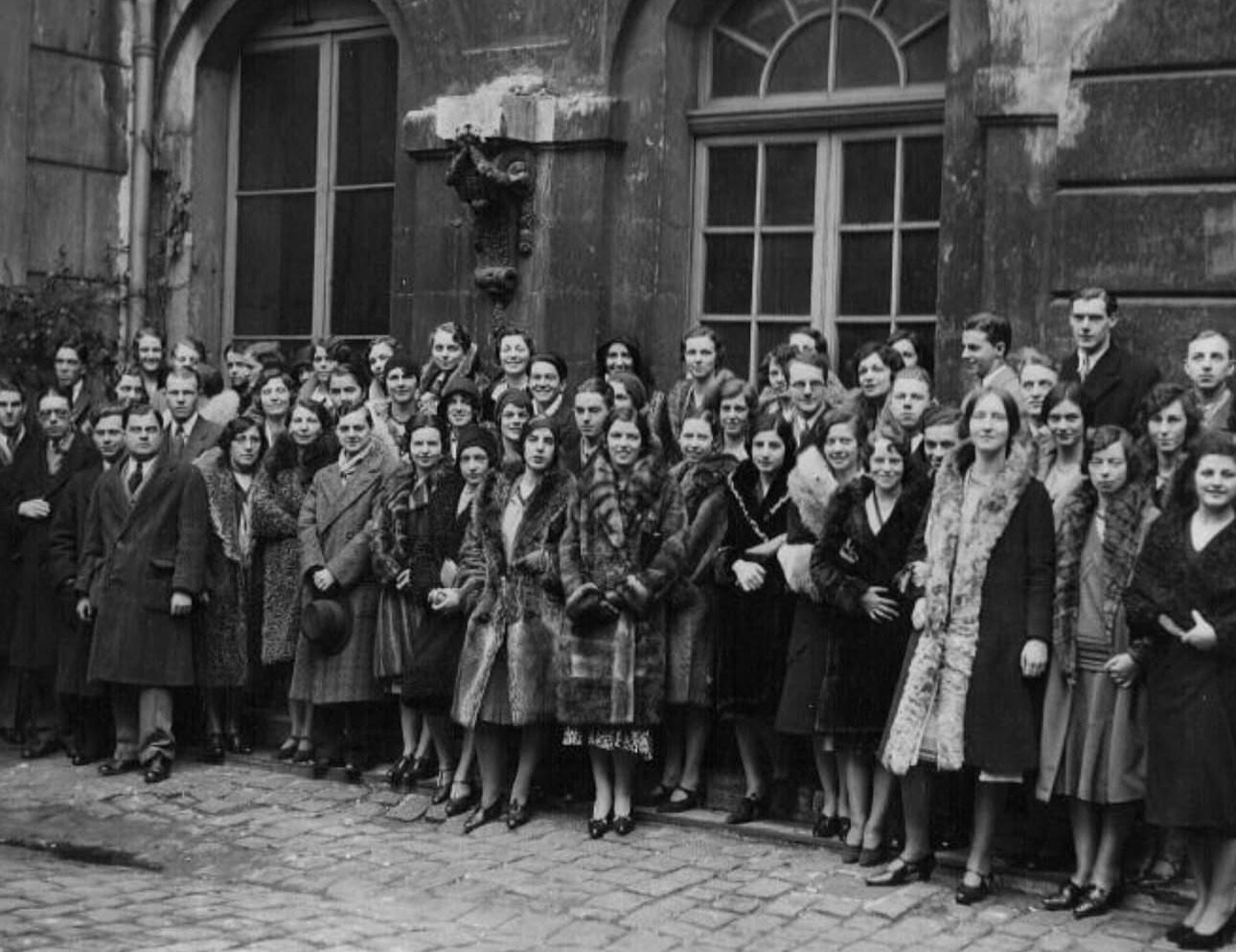
When tyranny and persecution swept across Europe, The New School once again fulfilled its mission—to save the spirit of free inquiry. In 1933, under the leadership of President Alvin Johnson, the University in Exile was opened here—a sanctuary for European scholars expelled by the regimes of Hitler and Mussolini.
The school soon began publishing the journal Social Research, which remains one of the most influential in the U.S. today.
In 1940, director Erwin Piscator, who fled Nazism, founded the Dramatic Workshop at the school—an experimental theater that combined stagecraft with social activism. During and after World War II, the school opened its doors to a new wave of students—veterans, workers, and women. In 1943, the Senior Collegewas created here, the first institution in the country dedicated to helping adults continue their education.
The New School became a magnet for outstanding minds. Its faculty included Hannah Arendt, Margaret Mead, and Robert Frost, and its students included James Baldwin, William Styron, and Mario Puzo.
In the 1950s, the Center for Human Relations was opened—the first program in the U.S. created specifically for mature women. And in 1962, the school founded the Institute for Retired Professionals, which became a model for similar educational programs worldwide.
By the 1970s, The New School had grown into a university with many distinct divisions. These included:
- Parsons School of Design—a globally renowned center for fashion and art.
- Eugene Lang College of Liberal Arts—a humanities hub based on a philosophy of creative democracy.
- Milano School of Policy, Management, and Environment—a program dedicated to building equitable cities.
- Mannes School of Music—an acclaimed music conservatory.
- The School of Jazz and Contemporary Music, where the future maestros of New York learn their craft.
In 2005, the university officially unified all its divisions under the name The New School.
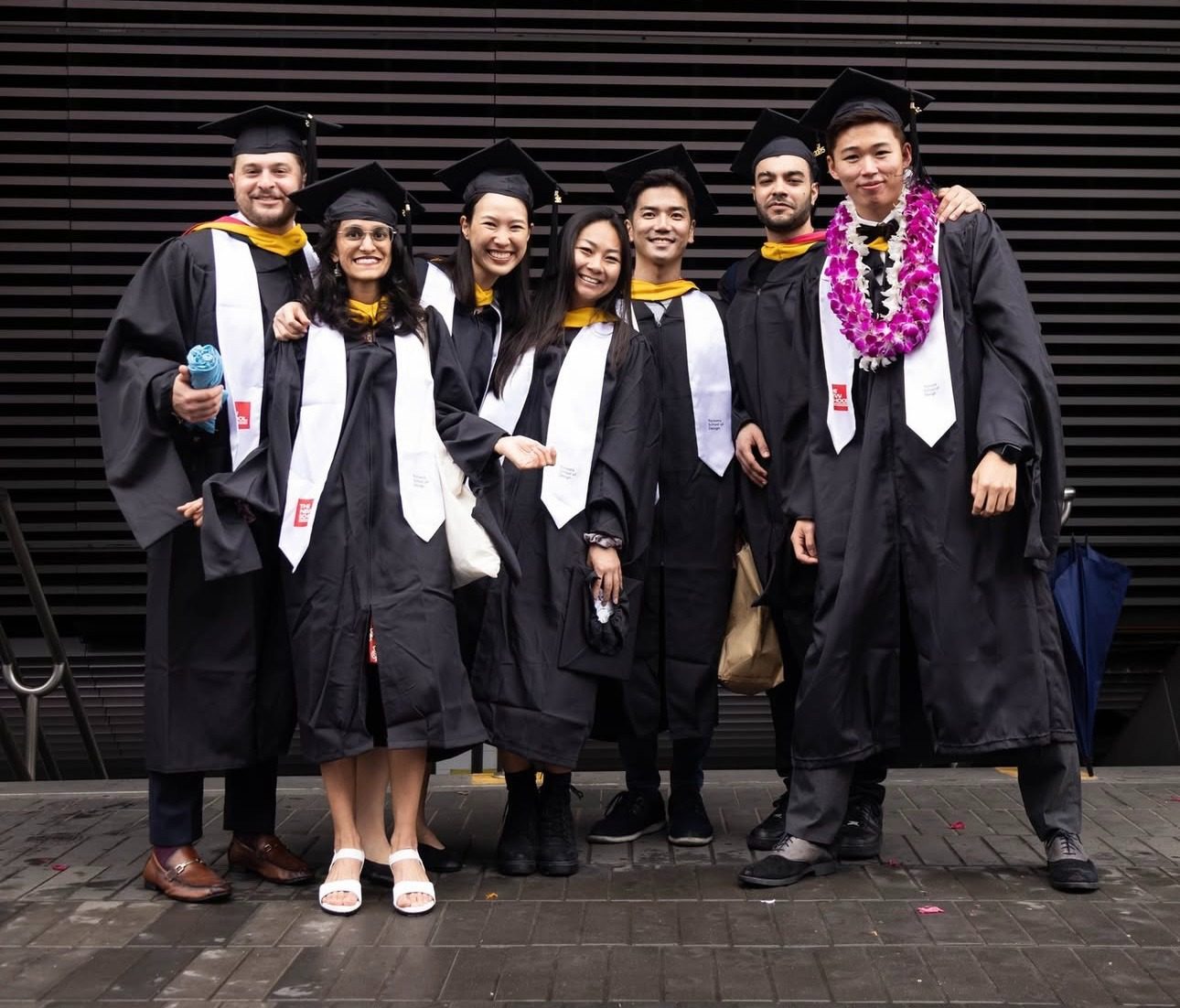
And even in the 21st century, when the world again faces crises and exile, the university does not forget its origins. In 2018, it created the New University in Exile Consortium, which assists scholars who have fled war or repression—including those from Afghanistan and Ukraine.
Thus, The New School remains what it was from the beginning—a home for the living spirit, a place where freedom, scholarship, and art meet to create a new world.
Creativity and Scholarship Side by Side
In total, the university offers 81 programs and specialties, ranging from liberal arts to design, from music to social research. Instruction takes place in a seminar format, where dialogue and discussion are more important than lectures. Professors are not strict instructors but rather partners in thought who help students develop their ideas. As a result, the student-to-faculty ratio is just 10:1, ensuring that everyone has the opportunity for personal attention.
One of the university’s most appealing features is its dual-degree programs. For example, students can earn two degrees in five years—a Bachelor of Arts (BA) from Lang College and a Bachelor of Fine Arts (BFA) from Parsons or the School of Jazz and Contemporary Music.
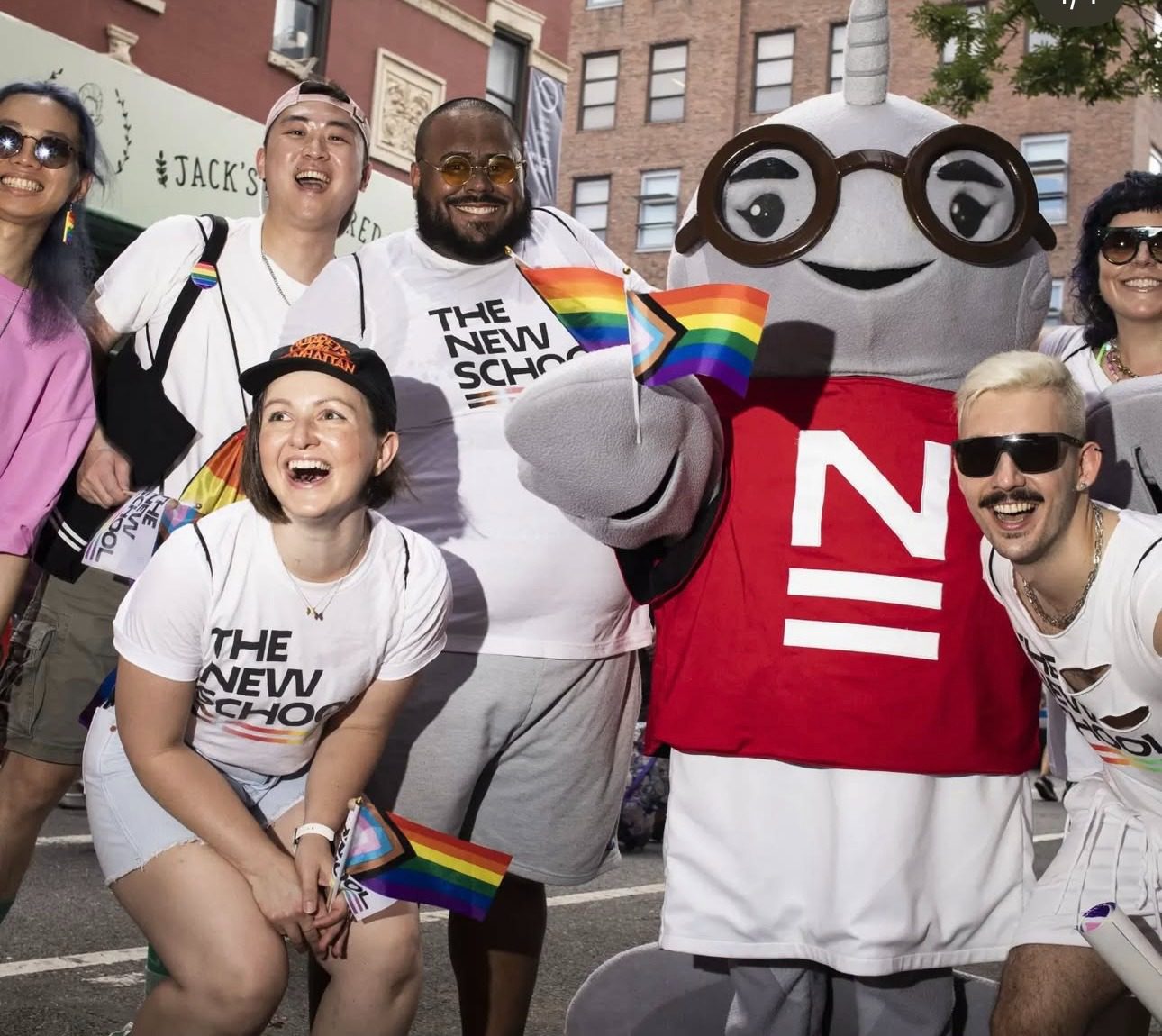
The New School is not just a place for learning but also a research space where students and faculty collaboratively reflect on global issues. It operates over a dozen centers and labs:
- The Institute for International Relations and Global Perspectives.
- The Lab for Social and Humanitarian Action.
- The Center for Policy, Art, and Society.
- The Center for Environmental Research.
- The Center for New York City Affairs.
- The Center for Public Scholarship.
New School students are a true cross-section of the contemporary world. About 33% come from outside the U.S., representing 112 countries, and American students come from all 50 states.
The New School campus is located in the heart of Greenwich Village, near Union Square. Some of the school’s older buildings have historical status, particularly the famous Tishman Auditorium, which hosts lectures, debates, literary readings, and public forums. The New School libraries are a world apart, combining modern technology, archives, art, and research. The university also has its own art collection, numbering around 1,800 works, including pieces by Andy Warhol, Kara Walker, and Sol LeWitt. These can be viewed right in the campus hallways and halls.
Student Life
Life at The New School thrives outside the classrooms. It publishes a number of academic and student journals—Social Research, Constellations, The New School Economic Review, the literary journals LIT and 12th Street, and the student newspaper New School Free Press.
It even has its own media outlets:
- WNSR (New School Radio)—the student radio station that broadcasts podcasts and live shows from campus.
- NSCR (New School CoPa Radio)—an online performing arts radio station that plays music from students and faculty.
- The New Histories and Unbound podcasts focus on university history and philosophy.
Over fifty student organizations are active—from arts to community groups. The theater ensemble prepares performances that draw full houses, and the New School debate team is known in university circles as one of the most intense in discussions. The feminist alliance “Moxy” is highly active, and the environmental group ReNew School is transforming the campus into a laboratory for sustainable development. Even the “New Urban Grilling Society (NUGS)” has its fans, proving that barbecue can be an art form, not just a picnic.
In the student recreation center, you can try everything from yoga and Pilates to Zumba, boxing, or HIIT. You can also join hikes and excursions offered several times a week. It started with camping and rafting, and later the program grew to include full-fledged trips featuring archery, skiing, surfing, rock climbing, and even flying trapeze.
There is no shortage of events that bring students together. The annual charity run, the 5K Rabbit Run, in April gathers hundreds of participants, and the Urban Hunt (a scavenger hunt across campus and the surrounding streets) turns the city into a playground. For freshmen, the most anticipated event is Club New—a dance party before the start of the academic year, where countless friendships and memories are born.
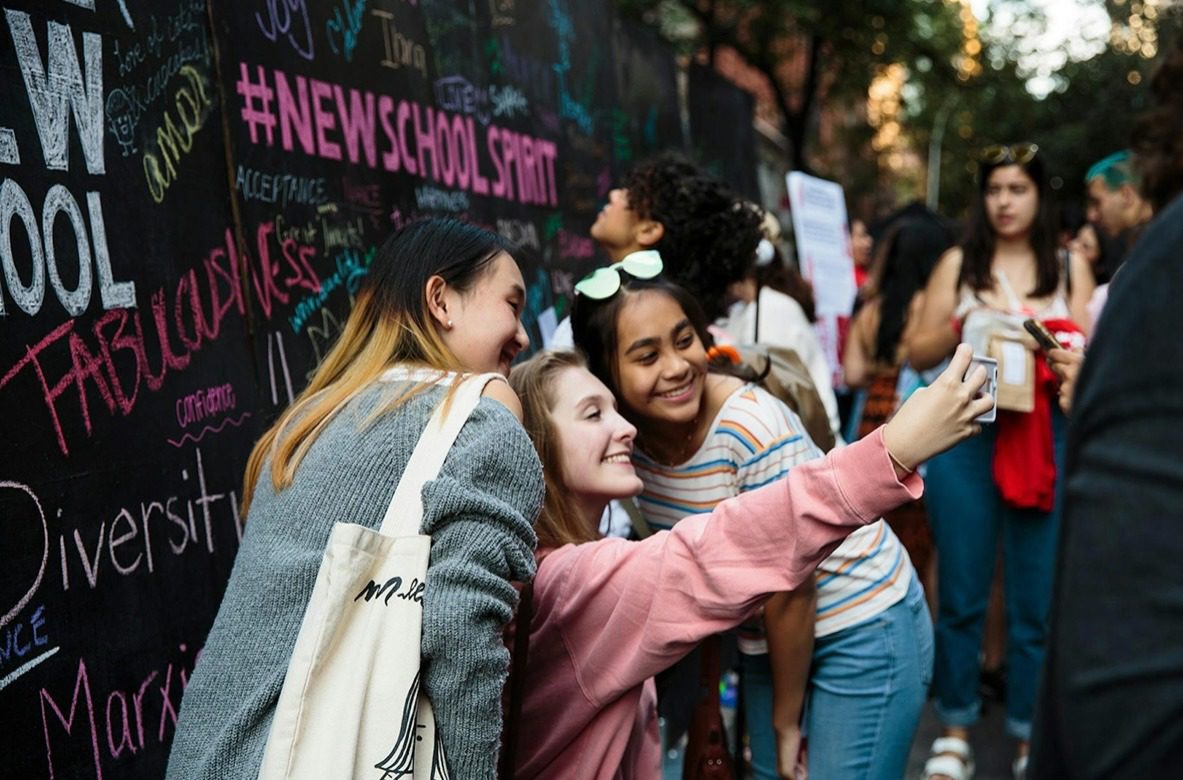
Life for New School students is a kaleidoscope of ideas, movement, and boldness. Here, students learn not only to think but to act, not only to speak but to create.
The Spirit of Defiance and Activism
For decades, discussions, student demonstrations, strikes, and occupations have rocked The New School.
In the 2000s, the university president, former U.S. Senator Bob Kerrey, became a controversial figure. His support for the Iraq War sparked anger among faculty and students who had always held anti-war positions. In December 2008, over seventy professors passed a vote of no confidence in him, and hundreds of students barricaded themselves in the campus cafeteria, demanding change and transparency in governance. Thirty hours of protests, nighttime negotiations, and amnesty for the participants—all became a symbol that New School students are ready to fight not only for education but for principles. Although the police intervened, the protest was a turning point—Kerrey announced his resignation, and the university turned a new page.
Even today, The New School does not stand apart from global events. In 2024, during the war in Gaza, students staged pro-Palestinian occupations, demanding that the university divest from defense companies and cease cooperation with the police.
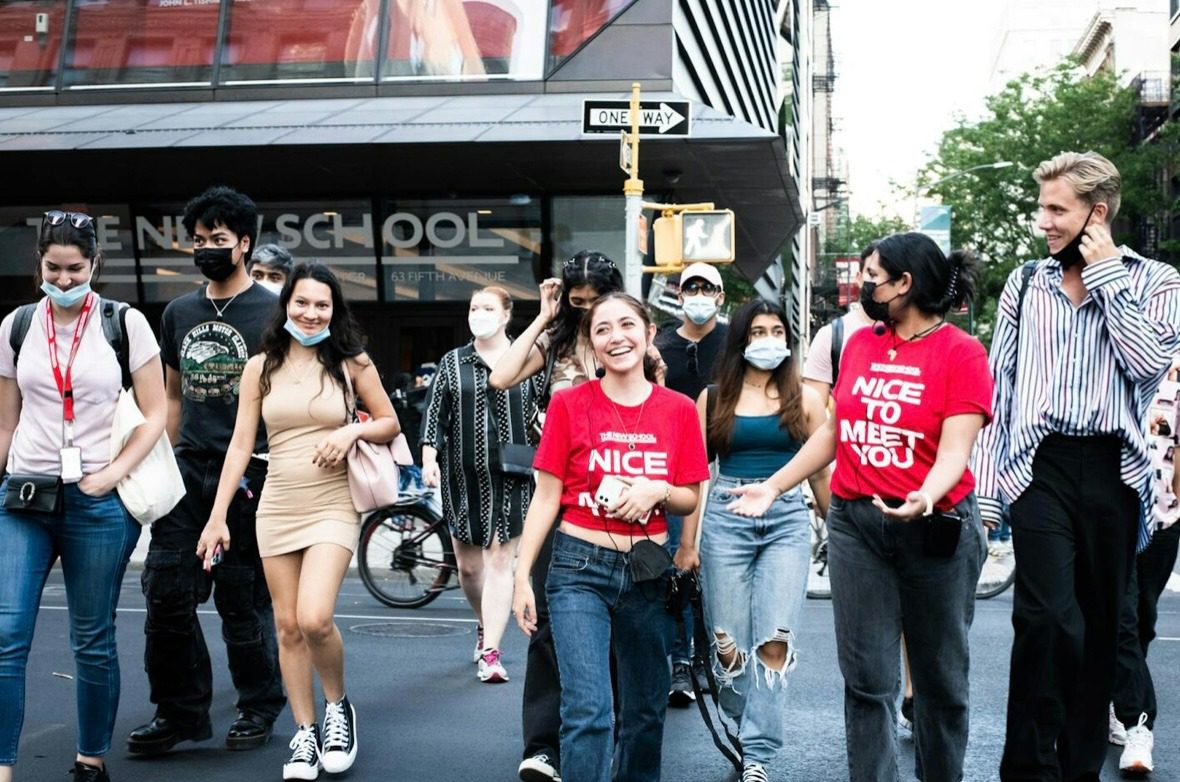
In parallel, the university actively develops ideas of environmental sustainability. Its ReNew School initiative unites students and faculty in joint eco-projects, and the institution has repeatedly received some of the highest “green” university rankings in the U.S. The New School is a signatory of the Climate Leadership Commitment and has one of the lowest carbon footprints among colleges nationwide.
The New School is a space where discussions are not suppressed but supported. Here, students are taught to think critically, doubt authority, and act when the system requires change.