

Over 170 years ago, there was no state medical center in Brooklyn, New York. When needed, local residents consulted a local doctor who provided home-based medical services. Learn more at newyork1.one
In 1839, a fatal traffic accident occurred. A man from the city of Buffalo was hit by a truck near the Brooklyn community board. The man’s leg was broken. The district mayor, Cyrus Porter Smith, who witnessed the accident, immediately ordered the man to be transported to one of the private houses, where he received first medical aid. It should be noted that the nearest hospital was four miles away. From then, the establishment of the first hospital in Brooklyn became a sharp question. Cyrus Smith managed to convene a meeting to discuss the creation of the first Brooklyn medical institution only six years later.
Founding of Brooklyn City Hospital
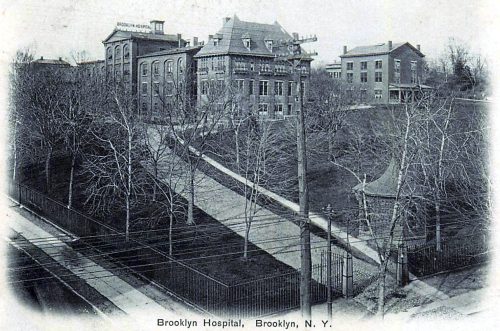
In 1845, the state legislature approved the proposal of the Brooklyn community board to establish a hospital. The district mayor, Cyrus Smith, headed the board of trustees of Brooklyn City Hospital. However, it was just the beginning, as there was a severe lack of funds. Philanthropists did not donate much and the fundraising progress was slow. At the same time, the demand for medical facilities continued to grow. Thanks to a generous donation from Brooklyn businessman Augustus Graham and a few other benefactors, a sufficient sum was raised. This money was used to purchase a small building in the center of the district. Brooklyn City Hospital opened in 1847.
Although the first hospital building was in good shape, it operated as the sole state hospital in Brooklyn until 1852. The premises of the medical facility were very cramped. Sometimes, surgeries were performed in wards in which other patients lay.
The Civil War and the opening of Pathological Hall
During the Civil War, a military hospital was set up in Brooklyn City Hospital to treat sick and wounded soldiers. Several new buildings were even constructed for this purpose. Later, during World War I, 60 beds placed on one floor of the West Wing were reserved for the care of sick sailors and other military men.
In 1858, the hospital opened a Pathological Hall, which housed dissecting rooms, lecture halls and a library. Extensive research on the human body was conducted there. This was the second building of its kind in the United States.
After the Civil War, in 1869, the Orthopedic Infirmary was opened in the building next to the anatomic pathology department. The disadvantaged patients from Long Island were treated there. Most patients were referred to the inpatient department, whereas simple procedures were performed in the infirmary.
Ambulance service and the first school of nursing
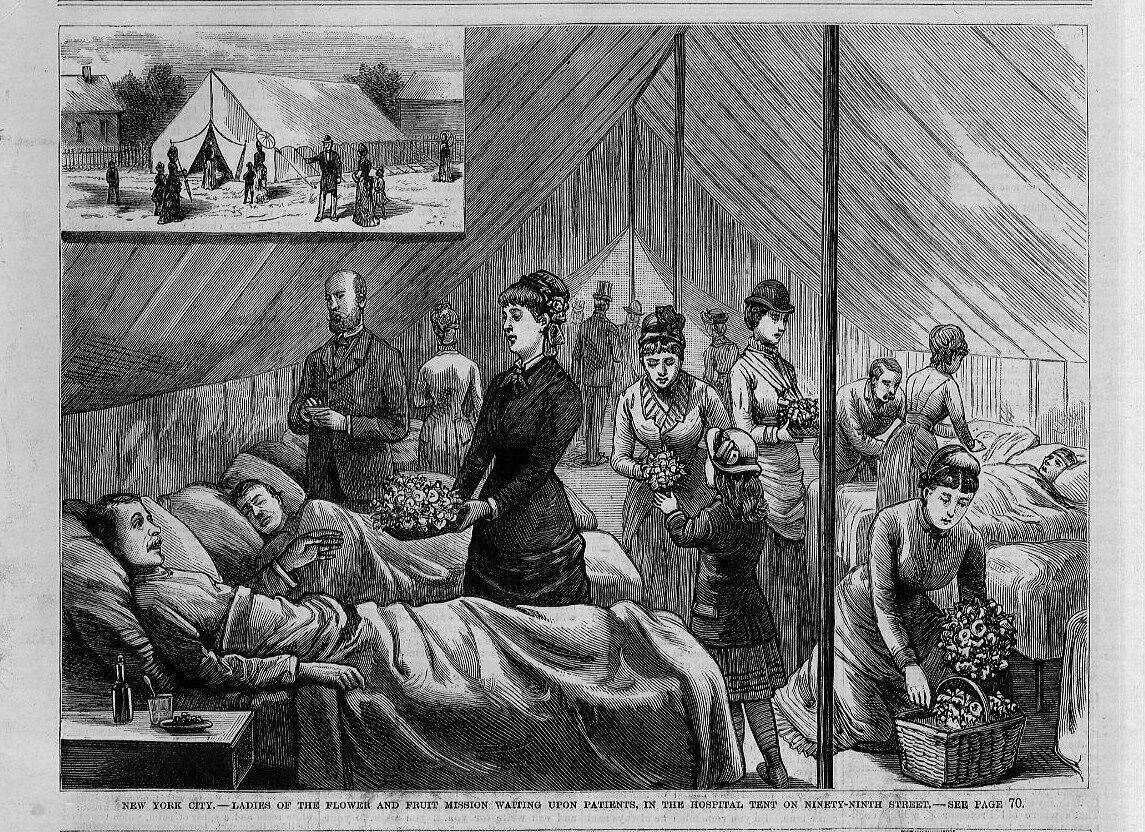
Due to the support of activists from the non-profit organization Fruit and Flower, the first nursing school in Brooklyn was founded in the 1880s. It became the second such school in the state of New York. Mrs. Seth Low was elected its president.
There was also a hospital where the poor stratum of the population of Brooklyn was treated. By the beginning of 1893, an additional building appeared on the hospital grounds, which housed one of the first separate maternity units.
By 1896, Brooklyn Hospital had its own emergency service. Downtown Brooklyn, Fort Greene and Bedford-Stuyvesant, located in the northern part of Brooklyn, could use the services of emergency medical care that worked round-the-clock. In the first year of operation, the service made over 970 emergency medical team dispatches.
Development and improvement of the medical facility in the 20th century
When Brooklyn Hospital acquired an electrocardiograph in 1926, the electrocardiography department was opened. After World War II, the medical institution began to be actively modernized. New equipment was bought while the provision of medical services was improved.
To study blood and circulatory system diseases, a cardiopneumatic laboratory was set up. Furthermore, a special recovery room was created where patients recovered after surgeries and induced coma under the close supervision of nurses and doctors.
Within a few decades, the staff at Brooklyn Hospital managed to implement several important projects. This helped to improve clinical settings for patients and provide conditions for training of medical workers. In May 1951, an Advisory Board was formed. Its members were prominent citizens committed to medical activities and the well-being of the hospital.
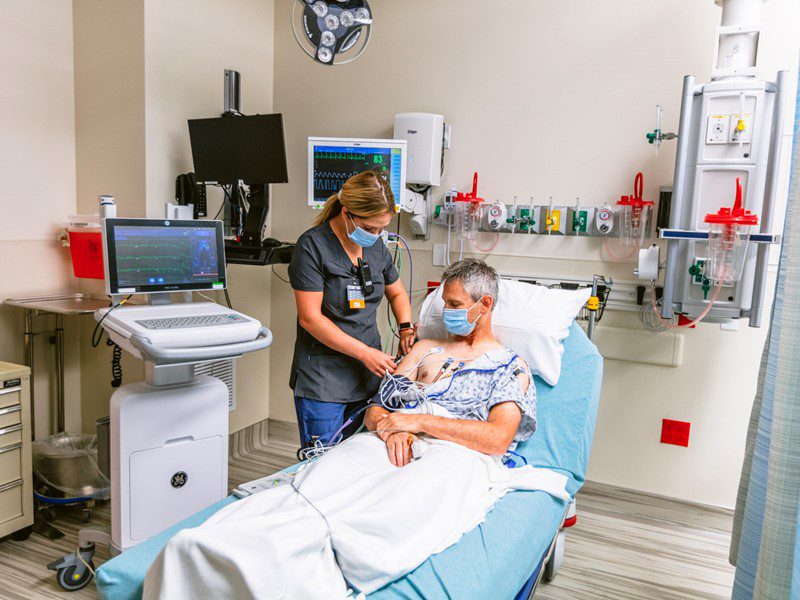
Starting from 1970, new departments, laboratories and clinical diagnostic centers were established at Brooklyn Hospital. Since then, residents have had the opportunity to undergo diagnostics and treatment at the Speech and Hearing Center, as well as the divisions of endocrinology, vascular surgery and cardiology. In addition, a neonatal intensive care unit was opened, which saved the lives of the smallest residents of Brooklyn. The United States Department of Health and Human Service introduced various training programs for hospital staff.
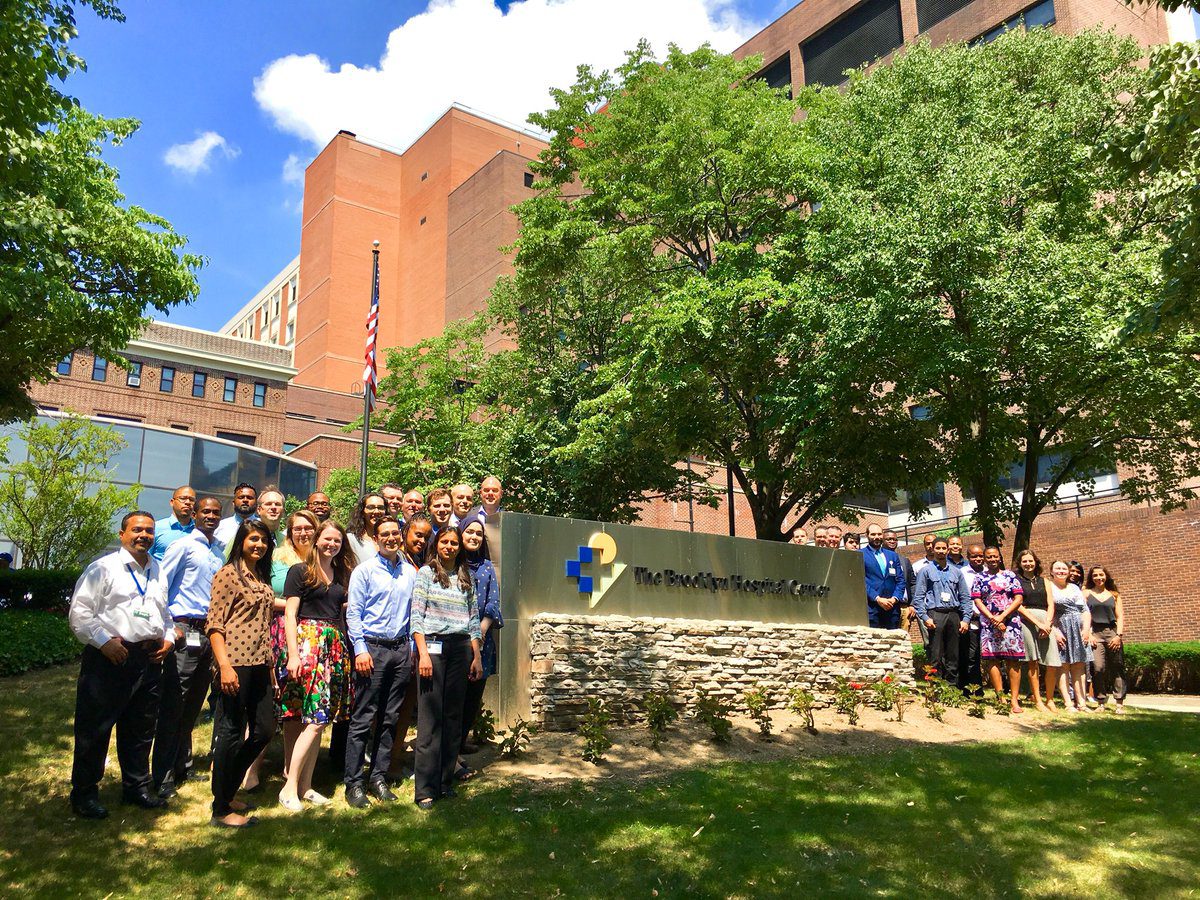
In the early 1990s, the hospital officially changed its name to the Brooklyn Hospital Center. This center is a high-level hospital that enhances its services each year by implementing the latest technologies. Highly skilled doctors, nurses, laboratory technicians and other staff members help over 30,000 patients annually. The hospital has a capacity of 464 beds and provides a full range of the best medical services.