

On July 16, 1945, the first nuclear bomb experiment in human history was conducted in the United States. The project was led by physicist J. Robert Oppenheimer, who later confessed that after seeing how powerful and destructive the bomb was, he recalled a line from a Hindu scripture: “Now I am become Death, the destroyer of worlds.” More on this at newyork1.one.
Who was J. Robert Oppenheimer and how did he invent the nuclear bomb? The article continues below.
The Scientist’s Childhood
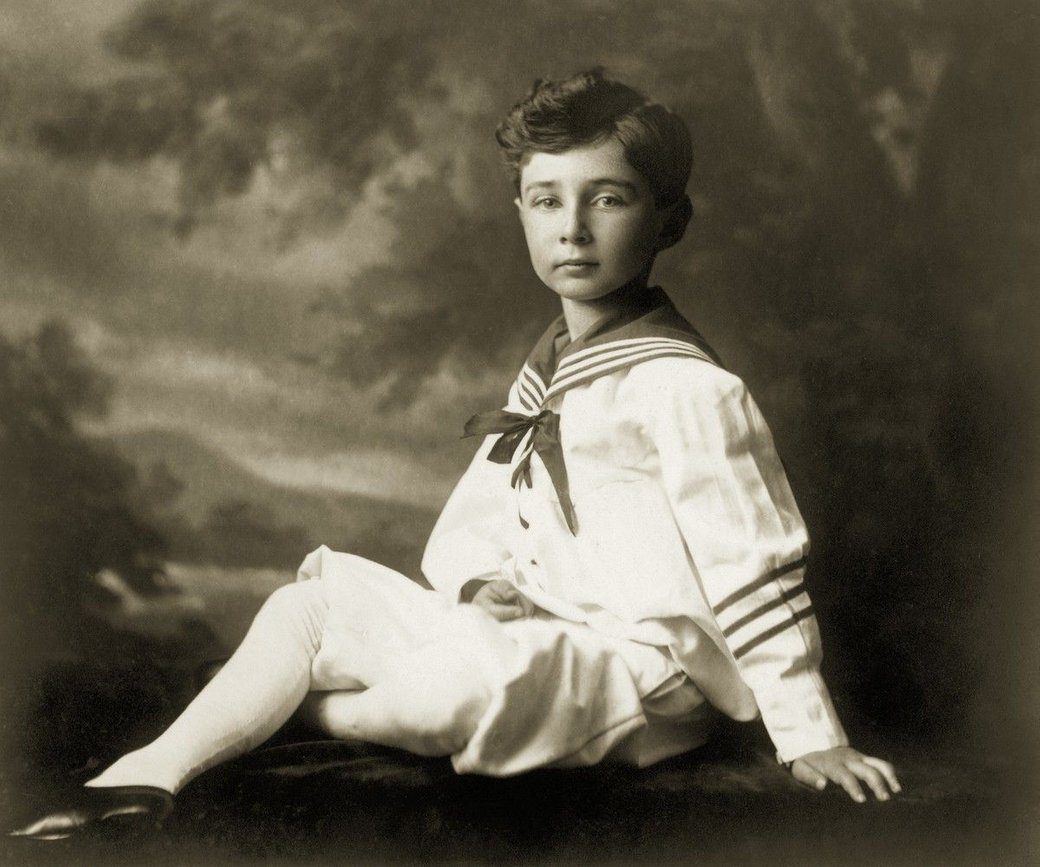
The future inventor J. Robert Oppenheimer was born on April 22, 1904, in New York City. Robert’s father was an immigrant from Germany who came to the U.S. as a teenager and later became wealthy importing and trading textiles.
Oppenheimer’s mother sadly passed away in 1931, after which he grew closer to his father. In 1937, his father died, leaving $392,602 to Oppenheimer and his brother, Frank. Oppenheimer immediately drafted a will, leaving his estate to the University of California to be used for graduate student scholarships.
From childhood, Oppenheimer loved conducting various scientific studies. For example, at the age of five, he could boast about his extensive mineral collection. His grandfather supported Robert’s hobby and sent him rare stones for his collection from Germany. According to online sources, Robert was about 10 years old when he became a member of the New York Mineralogical Club.
Right after finishing high school, Oppenheimer enrolled at Harvard University. Although Robert was fascinated with science from a young age, as a student he dreamed of being a poet and even considered becoming an architect. Eventually, however, Robert realized that his calling was chemistry. But the scientist didn’t stop at chemistry; he continued to develop himself in many different ways, for instance, he learned several foreign languages, studied physics, and occasionally published his own poems.
In 1925, Robert graduated from Harvard a year early. It is worth noting that he finished college ahead of his peers while still earning excellent grades. After graduating from Harvard, Robert went overseas to continue his education in Europe.
Early Atomic Research
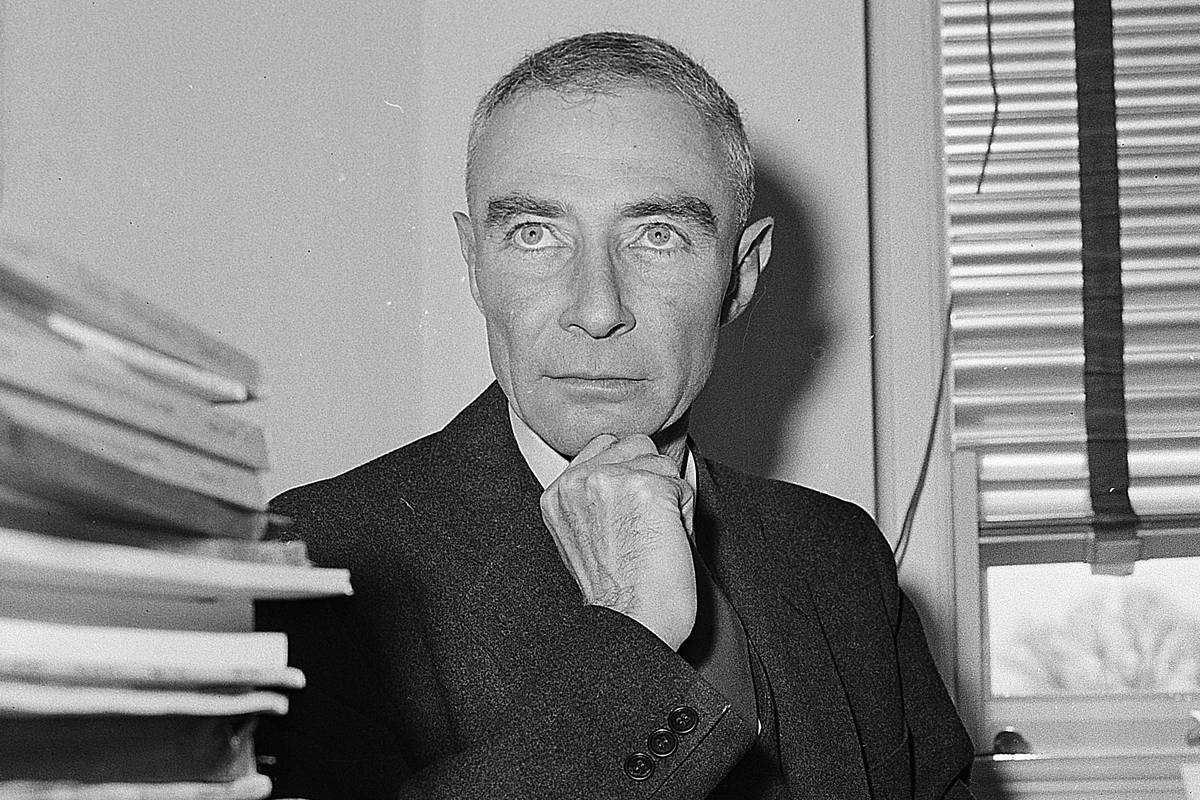
Immediately after Harvard, Oppenheimer was accepted to Cambridge University. He worked at the Cavendish Laboratory under the guidance of Ernest Rutherford. This collaboration with the “father of nuclear physics” and Nobel laureate in chemistry was an incredibly valuable experience for the young and curious Oppenheimer. Later, Oppenheimer was ecstatic when he received a long-awaited offer. German physicist Max Born invited him to move to the University of Göttingen. This place was known for its prominent mathematicians, and after World War I, the University of Göttingen was one of the centers where a “revolution” in modern physics was taking place. The ideas presented at these meetings were so progressive that they radically changed the foundational understanding of the physical world. Robert later even taught educational programs at several universities.
The Scientist’s Role in Nuclear Weapons Development
As World War II loomed, U.S. authorities were alarmed, fearing that Germany would develop a nuclear weapon first. At that moment, the U.S. government understood that they had to act proactively, as humanity would be in critical danger. On December 6, 1941, the White House decided to allocate funds for the development of a nuclear bomb under American leadership. In the fall of 1941, Oppenheimer became a member of a special National Academy of Sciences committee. For two days, the scientists discussed the feasibility of using atomic energy for military purposes. Oppenheimer led the theoretical physics group, with whom he actively worked on developing the optimal model for a nuclear bomb. When the U.S. entered the war, decisive action was needed. The possibility of creating an atomic bomb became a sword of Damocles hanging over the world. Whoever first possessed this technology would gain an advantage. The creators of a nuclear weapon would ensure complete victory for themselves.
In the summer of 1942, the U.S. Army began working on a plan called the “Manhattan Project.” In the fall, the project’s director, General Groves, offered Oppenheimer the opportunity to lead the laboratory. Robert could only have dreamed of such an offer, so he didn’t hesitate for a moment and immediately took on the duties. The scientist gathered a team of leading experts to work on the collective effort to create the atomic bomb.
The Scientist’s Research into the Hydrogen Bomb
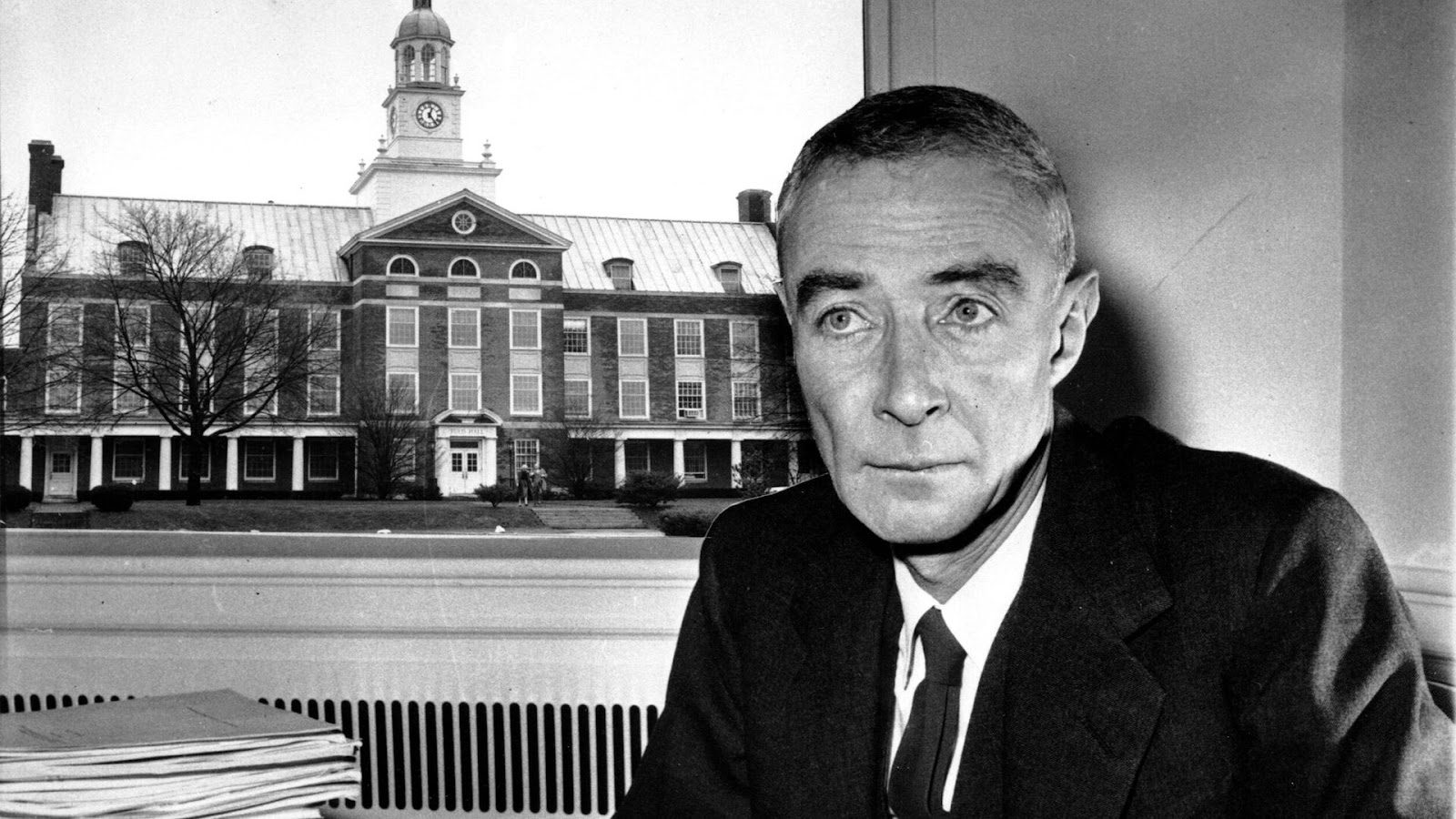
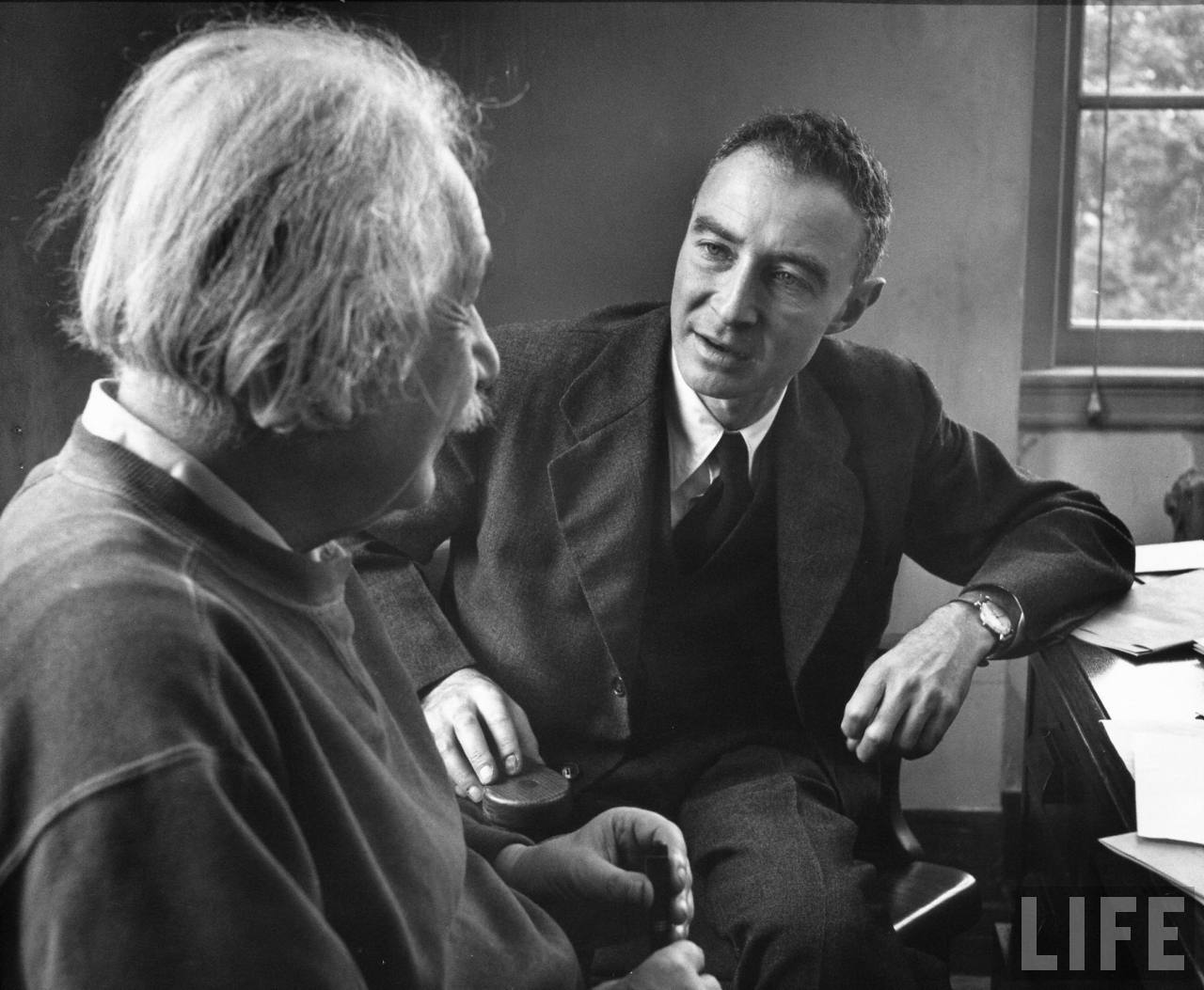
After his time as laboratory director, Oppenheimer submitted his resignation, stating that he was returning to his teaching career. In 1947, he became the director of the Princeton Institute for Advanced Study. Despite this, he continued to maintain his influence in various government commissions that dealt with atomic issues. Against the backdrop of the USSR detonating its own atomic bomb, the U.S. leadership was suddenly eager to create a hydrogen bomb. In October 1949, Oppenheimer was asked to lead an advisory group for the Atomic Energy Commission to review the thermonuclear bomb production project. All the scientists, including Robert, unanimously argued that the decision to develop a hydrogen bomb would severely damage the U.S. image. However, then-U.S. President Truman did not heed the advice of the scientists or the commission. On January 31, 1950, the president ordered the scientists at the laboratory to begin work on creating the hydrogen bomb. On a small island in the Pacific Ocean, the scientists conducted their first explosion on November 1, 1952.
Robert’s Relationships and Children
In August 1939, Robert met Katherine (“Kitty”) Puening, a former member of the Communist Party. They got married in 1940. Their first child, a boy, was born in May 1941, and their second, Katherine (“Toni”), was born in Los Alamos, New Mexico, on December 7, 1944. During his marriage, Oppenheimer rekindled his romance with his former partner, Jean Tatlock. Tatlock later took her own life on January 4, 1944, leaving Oppenheimer deeply distressed. Oppenheimer then began an emotional affair with Ruth Tolman, a psychologist and the wife of his friend Richard Tolman. The affair ended after Oppenheimer returned to the East to become the director of the Institute for Advanced Study, but after Richard’s death in August 1948, they reconnected and saw each other sporadically until Ruth’s death in 1957. Few of their letters from that time have been preserved, but they clearly show a close and affectionate relationship, with Oppenheimer referring to her as “My love.”
Oppenheimer’s Death
Oppenheimer was a heavy smoker, and in late 1965, he was diagnosed with throat cancer. After an unsuccessful surgery in 1966, he underwent failed radiation therapy and chemotherapy. He died in his sleep on February 18, 1967, at the age of 62. A week later, a memorial service was held at Alexander Hall, attended by 600 of his scientific, political, and military peers. His brother, Frank, and the rest of his family were also present. Oppenheimer’s body was cremated, and his ashes were placed in an urn that Kitty scattered in the sea near their beach house.
List of sources:
- https://www.britannica.com/biography/J-Robert-Oppenheimer
- https://www.livescience.com/physics-mathematics/8-wild-stories-about-j-robert-oppenheimer-the-father-of-the-atomic-bomb
- https://economictimes.indiatimes.com/magazines/panache/j-robert-oppenheimer-some-explosive-facts-about-the-father-of-atomic-bomb/support-to-german-scientists/slideshow/101955996.cms