

It was here that room service and in-room telephones were first introduced. The hotel popularized restaurant culture and gave the world such iconic dishes as Eggs Benedict and the Waldorf Salad. The building still conceals the mysterious Track 61, which once served high-ranking officials. The Waldorf Astoria was the official hotel of the UN and the first to guarantee accommodation without racial discrimination. Following its restoration, the hotel boasts some of the largest guest rooms in New York City. Read on newyork1.one to discover even more fascinating facts about the Waldorf Astoria.
A Legend Born from the “Forest Village”
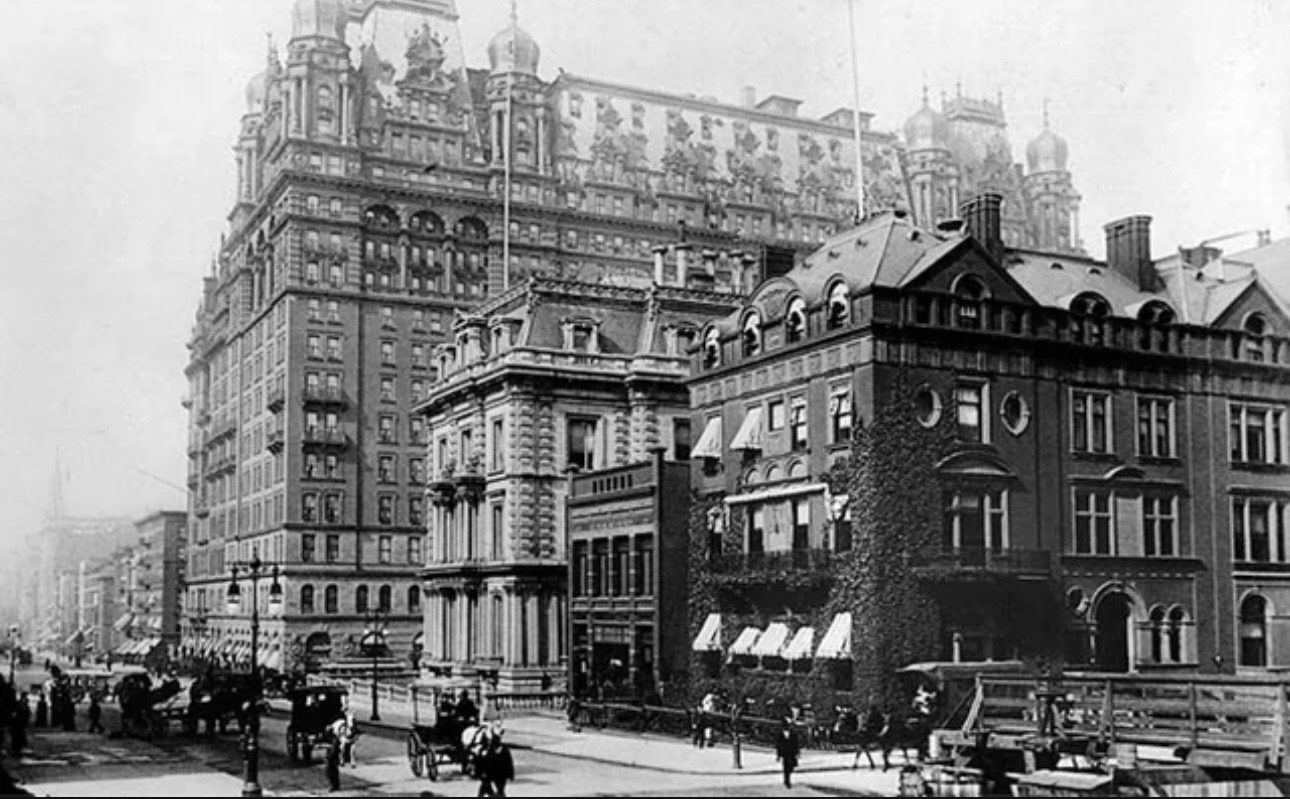
The Waldorf Astoria Hotel traces its roots to the German town of Walldorf—the “forest village” and ancestral home of the Astor family. They were the ones who opened two competing hotels on Fifth Avenue: the Waldorf (1893) and the Astoria (1897).
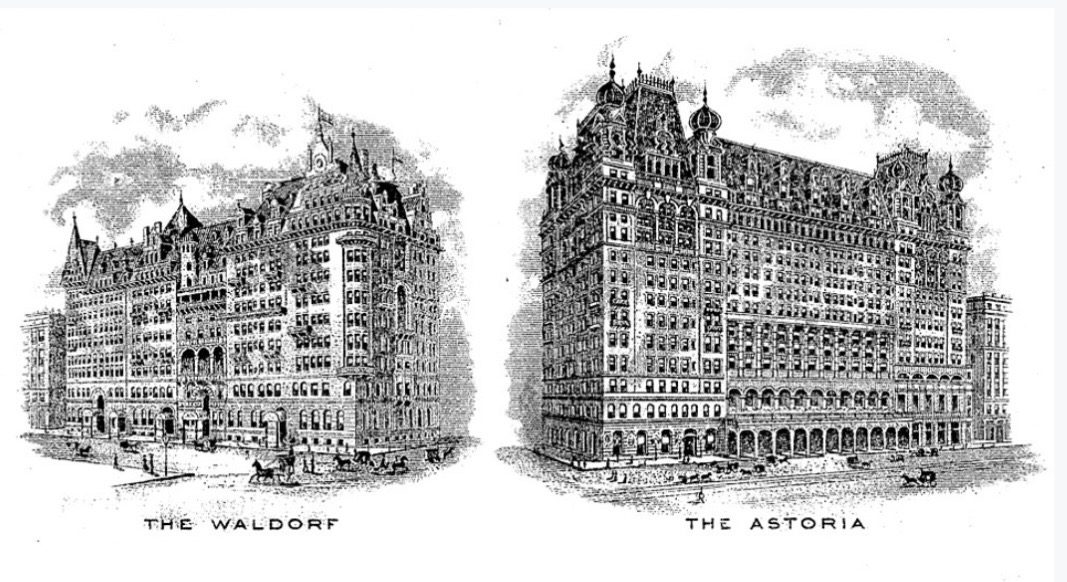
Initially rivals, they eventually connected to become the single Waldorf-Astoria—the most famous and largest hotel in the world at the time.
By the 1920s, the building was outdated, and the Astors sold it to make way for the future Empire State Building. Yet, everyone understood that New York needed a luxury hotel worthy of hosting world leaders. Despite the financial turmoil of 1929, investors maintained faith in the project. Construction proceeded rapidly and on a massive scale—millions of bricks, tons of steel, and thousands of details that were sometimes difficult to coordinate among the crews.
Despite all the complexities, the new Waldorf Astoria opened on Park Avenue on October 1, 1931—an exquisite giant with its own apartment towers, hotel innovations, and NBC radio broadcasts. President Herbert Hoover called the opening a symbol of American confidence.
Since then, the hotel has been the stage for grand balls, international negotiations, and social legends. Frank Sinatra performed here, political declarations were signed, Shostakovich faced a divided audience, and IBM introduced its first personal computer.
How the Hotel Survived Crises and Was Reborn in 2025
Following its massive closure in 2017, the Waldorf Astoria endured an almost decade-long saga of renovation, changes in ownership, financial difficulties, and repeatedly postponed opening dates.
By 2020, the hotel promised to reopen in 2022, but deadlines were shifted year after year. The renovation budget exceeded 2 billion dollars, work was halted, and the question of selling the hotel arose. Accidents on the construction site, including the death of a worker, added to the woes. In 2024, preparations for the grand reopening were finally activated. Management hired a team, appointed a head chef for the main Lex Yardrestaurant, and opened bookings. The total reconstruction cost eventually grew to a staggering 6 billion dollars.
On July 15, 2025, the Waldorf Astoria finally returned. The hotel reopened with updated interiors designed by SOM and Pierre-Yves Rochon. By September, the ballrooms, conference spaces, and the restored Guerlain Wellness Spa were operational. Most of the guest rooms were gradually opened, and over 30 residences were sold.
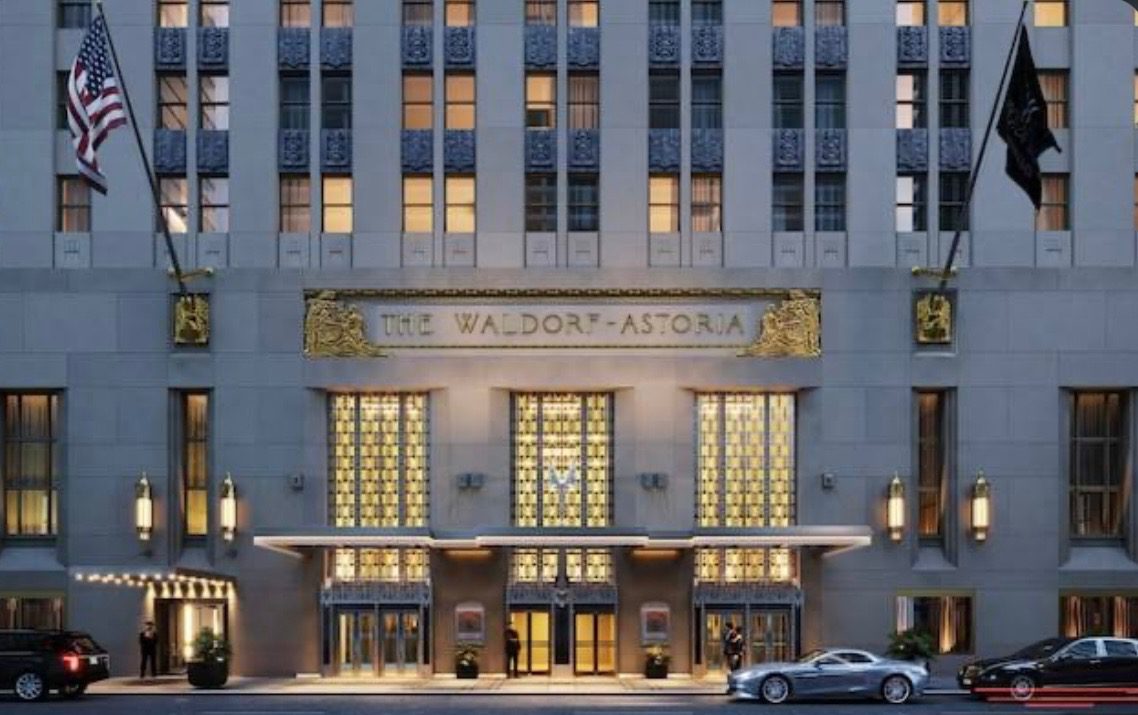
Alongside the flagship’s revival, the Waldorf Astoria brand entered a new era. The hotel is positioned as a quiet, modern luxury built upon its rich history. New brand properties are actively being developed globally, from Osaka and Shanghai to Rabat, London, and future projects in Sydney, Texas, and Turks and Caicos.
From a restoration crisis to a hotel renaissance, the Waldorf Astoria New York once again became a symbol of how icons survive, transform, and return even grander.
The Evolution of the Room Inventory
The first Waldorf Astoria was a true hotel giant with over two thousand rooms, where the upper floors served as homes for permanent residents. By the early 2000s, the inventory was reduced to 1,400 rooms, and the towers housed the most luxurious apartments. In the 2020s, the building was radically reconfigured: part was converted into condominiums, leaving approximately 375 hotel rooms.
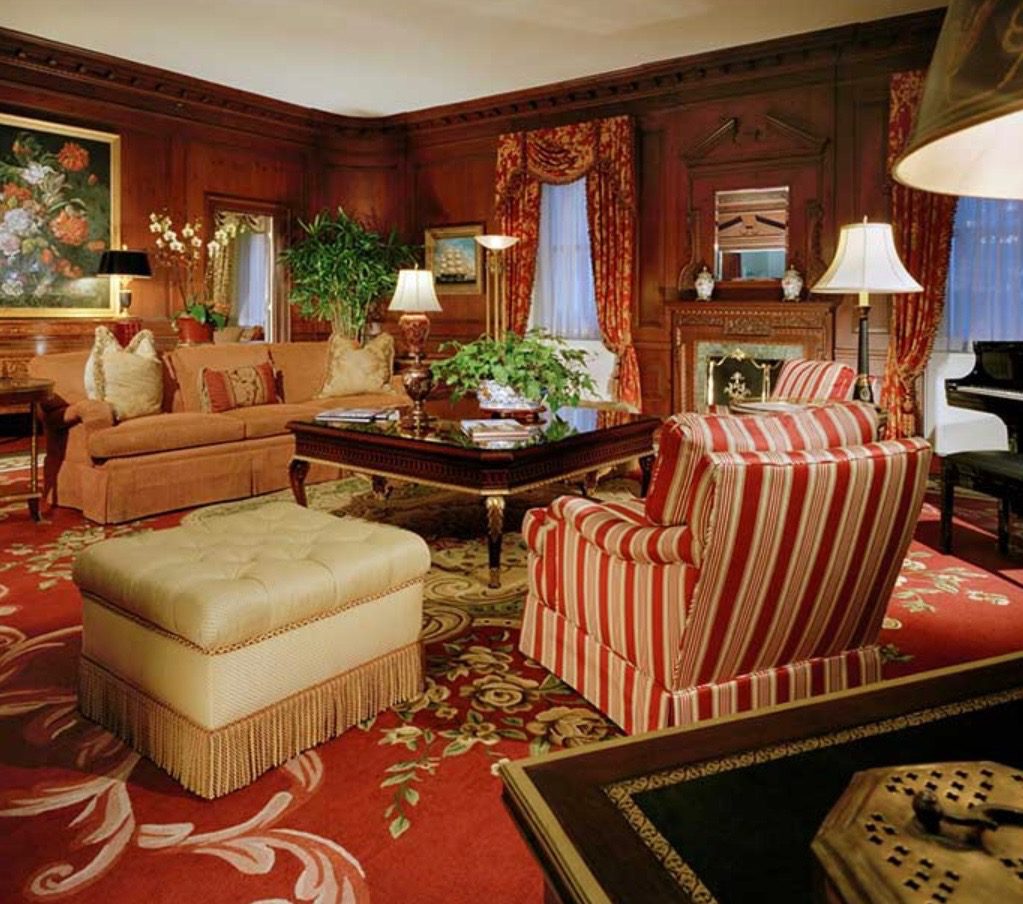
The interiors, which once blended 18th-century American, English, and French motifs, gradually evolved, retaining Art Deco as their foundation. Following the major 2020 renovation, the rooms received new lilac and mint color palettes, custom furniture, mosaic accents, spacious walk-in closets, and even dedicated bar areas.
The hotel’s Towers traditionally remain its most prestigious section. They housed the legendary suites of Cole Porter and the Duke and Duchess of Windsor, Presidential Suites, and modern private residences spanning from the 19th to the 52nd floors. The most exquisite penthouses occupy the copper domes and feature private elevators.
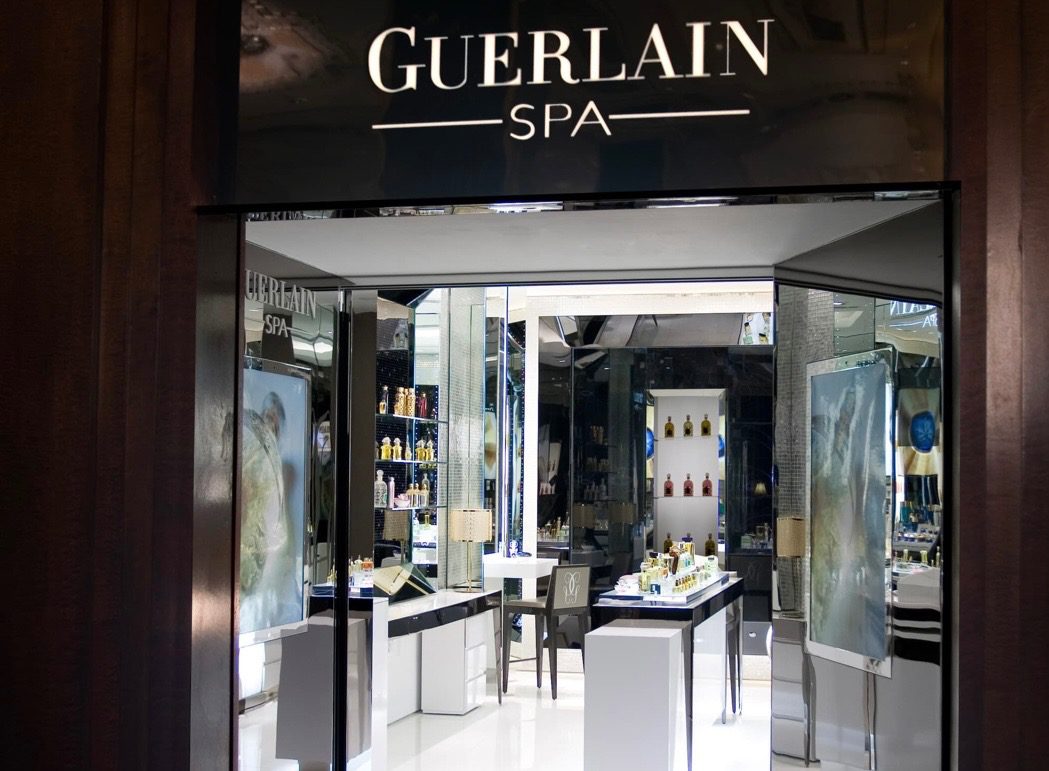
The complex is complemented by a mosaic terrace, a large fitness center, the luxurious Guerlain Spa, business zones, a library, bars, a pool, and an indoor garden. The Waldorf Astoria boasts an impressive historic elevator system, including large banquet lifts and high-speed cabs serving the Towers.
The most unique element is the private railway platform, Track 61, connected to Grand Central Terminal. It was used by politicians, diplomats, and celebrities, including Franklin D. Roosevelt.
The Gastronomic Legend of the Waldorf Astoria
The Waldorf Astoria was a pioneer in hotel gastronomy. It was here that 24/7 room service was introduced, and in 1931, the hotel became the first major hotel in the world to hire female chefs. The menu was always extensive—offering everything from dietary to children’s options.
For decades, the kitchen was run by renowned chefs, including Arno Schmidt and John Doherty, and in 1975, restaurateur George Lang was awarded Hotelman of the Year.
In the early 1990s, the Waldorf Astoria served over three million meals annually, purchasing tons of produce: from 27,000 pounds of lobster to hundreds of thousands of pounds of strawberries.
The hotel was famous for its lavish banquets. For example, a celebratory dinner for Cardinal Spellman included 3.6 tons of filet mignon, hundreds of pounds of fish, potatoes, and desserts—all served on gold tableware.
Some events made history through sheer exoticism. In 1973, the Explorers Club was treated to hippo, boa constrictor, alligator, shark, and rattlesnake meat.
Before the renovation, the hotel featured three main restaurants and the Japanese Inagiku. In the 1940s, there were as many as nine.
- Bull and Bear Steak House—a cult spot for New York financiers, complete with bronze statues of a bull and a bear. The Fox Business Happy Hour program was filmed here.
- Inagiku—a luxurious Japanese restaurant with rooms styled as a farmhouse, a temple, and a traditional tatami room.
- Oscar’s Brasserie—the spot that popularized the Waldorf Salad, Eggs Benedict, Thousand Island dressing, and other historical dishes.
- Sir Harry’s Bar—Frank Sinatra’s favorite haunt. Initially decorated in an African safari style, it later returned to restrained classicism.
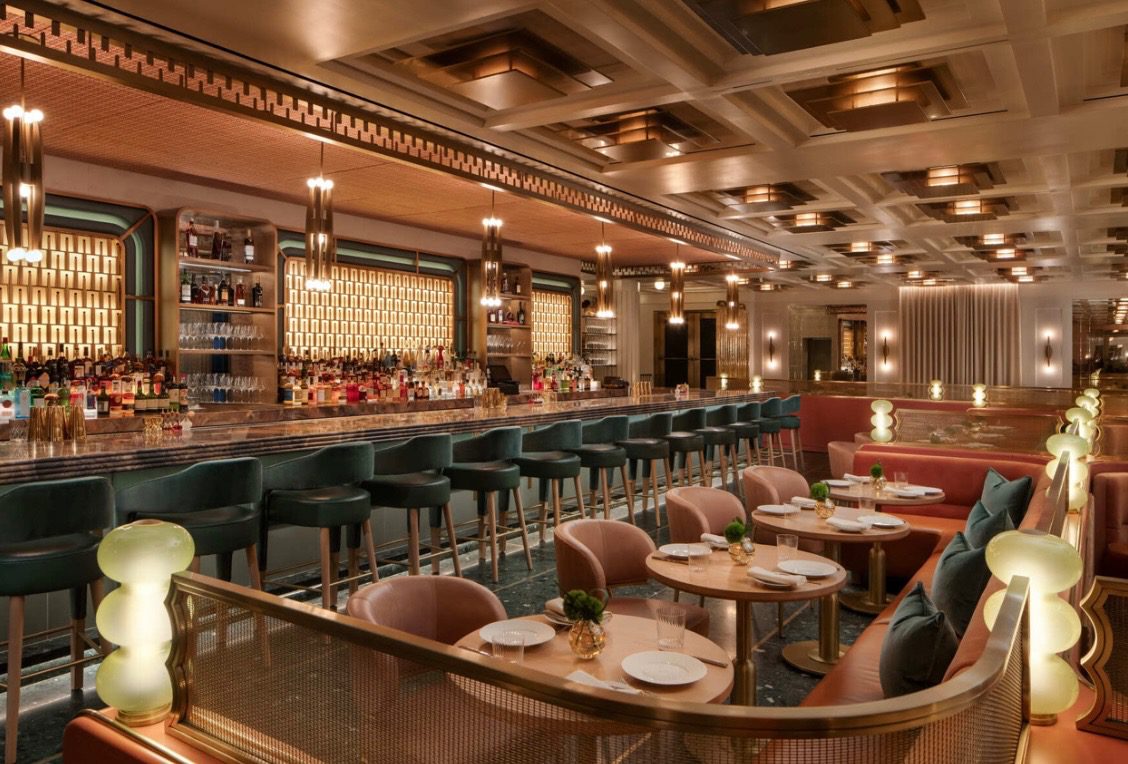
Following the reconstruction, three restaurants remained: Lex Yard, Yoshoku, and Peacock Alley.
The Life of the World Elite at the Waldorf Astoria
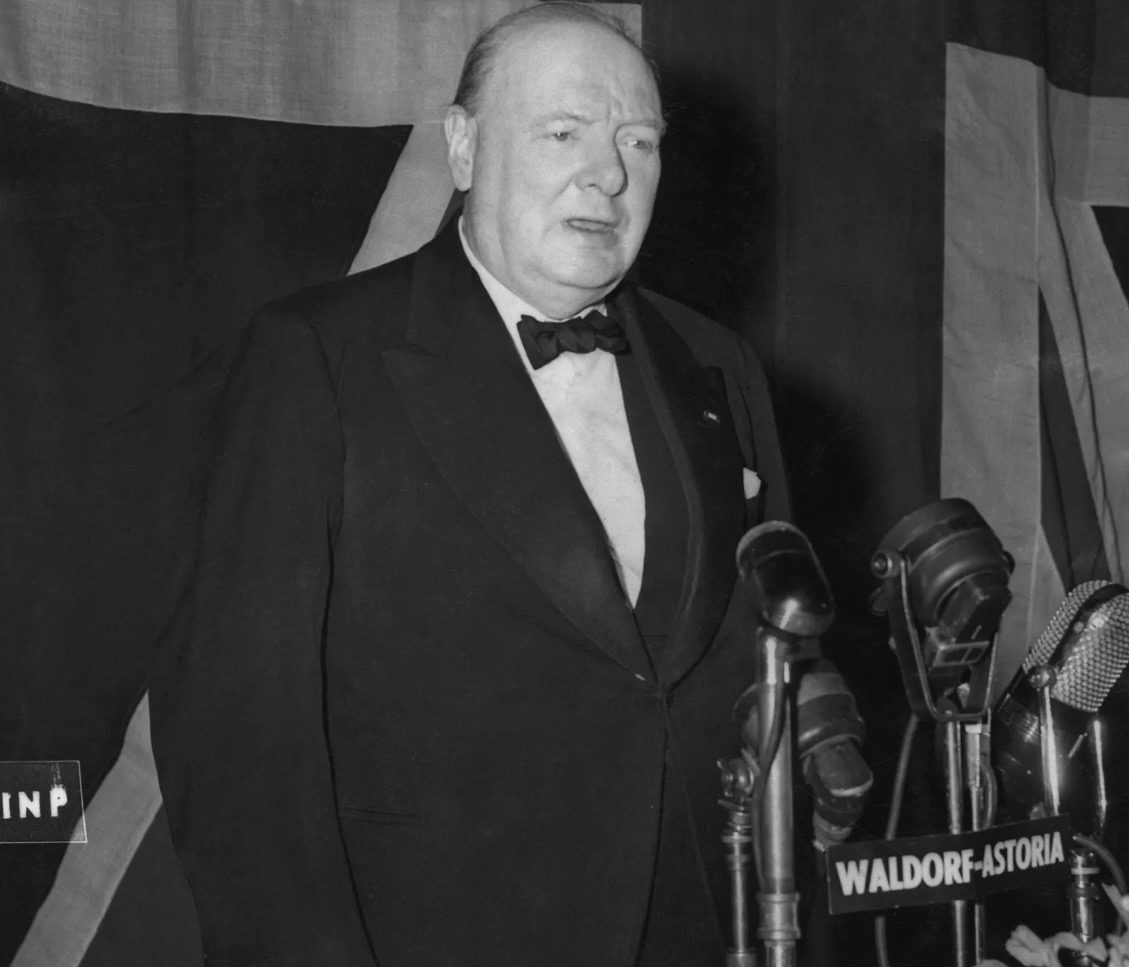
Over its hundred years, the Waldorf Astoria has become synonymous with prestige. No other New York hotel can compare to its status. Guests have included British monarchs, European royalty, the Shah of Iran, the King of Jordan, and royal families from Denmark, Norway, Belgium, Thailand, Afghanistan, the Netherlands, and Japan. In 1957, Queen Elizabeth II made her first visit to the U.S. and stayed right here. In 1976, during the U.S. Bicentennial celebration, the hotel hosted heads of state from around the world, effectively serving as an international diplomatic platform.
American presidents also considered the Waldorf their New York home. Hoover, MacArthur, and Eisenhower lived here for years. John F. Kennedy held private meetings, including discussions with Israeli Prime Minister Ben-Gurion. From Hoover to Obama, nearly every president has either lived or stayed at the Waldorf.
At times, the demands of influential guests became legendary. Fidel Castro once arrived with live chickens and demanded they be cooked in his suite. Henry Kissinger turned his suite into a command center with dozens of tables. One First Lady required constant daylight and a supply of chewing gum.
The Waldorf Astoria has always been a magnet for stars—from the era of Charlie Chaplin to the appearance of Prince at a rock-and-roll ball. Chaplin, Hepburn, Grace Kelly, Marlene Dietrich, Muhammad Ali, Frank Sinatra, Judy Garland, Gregory Peck, Tony Bennett—the complete list reads like a Hollywood Walk of Fame.
Marilyn Monroe lived at the Waldorf for several months. Brooke Shields recalled that her first encounter with paparazzi happened in the grand ballroom of the Waldorf when she was 12. Even as a child, Paris Hilton lived here with her family—the hotel was their home.
The Waldorf Astoria is constantly featured in film and television. It served as a setting for Scent of a Woman, Maid in Manhattan, Coming to America, The Royal Tenenbaums, and dozens of other films. TV viewers saw the hotel in Sex and the City, The Sopranos, and Law & Order.
The Waldorf Astoria has reclaimed its role as the place where diplomacy, love stories, social events, and Hollywood legends intersect under one roof. It is not just a hotel—it is a living encyclopedia of New York’s elite culture.